Bentley's Electric Torcal, Ford's Custom Garage, and the End of an Era for Land Rover

The automotive world is a place where innovation meets tradition, and today's headlines showcase both in bold fashion. From luxury carmakers pushing the boundaries of electric performance to mainstream brands expanding into new market territories, the industry is experiencing a fascinating blend of transformation and nostalgia. As we navigate through the summer of 2026, it's clear that manufacturers are not just responding to market demands but actively shaping the future of mobility. The latest developments hint at a rapidly evolving landscape where electrification, customization, and strategic realignment are becoming the new normal.
Bentley's High-Tech Torcal EV: A Glimpse Into the Future
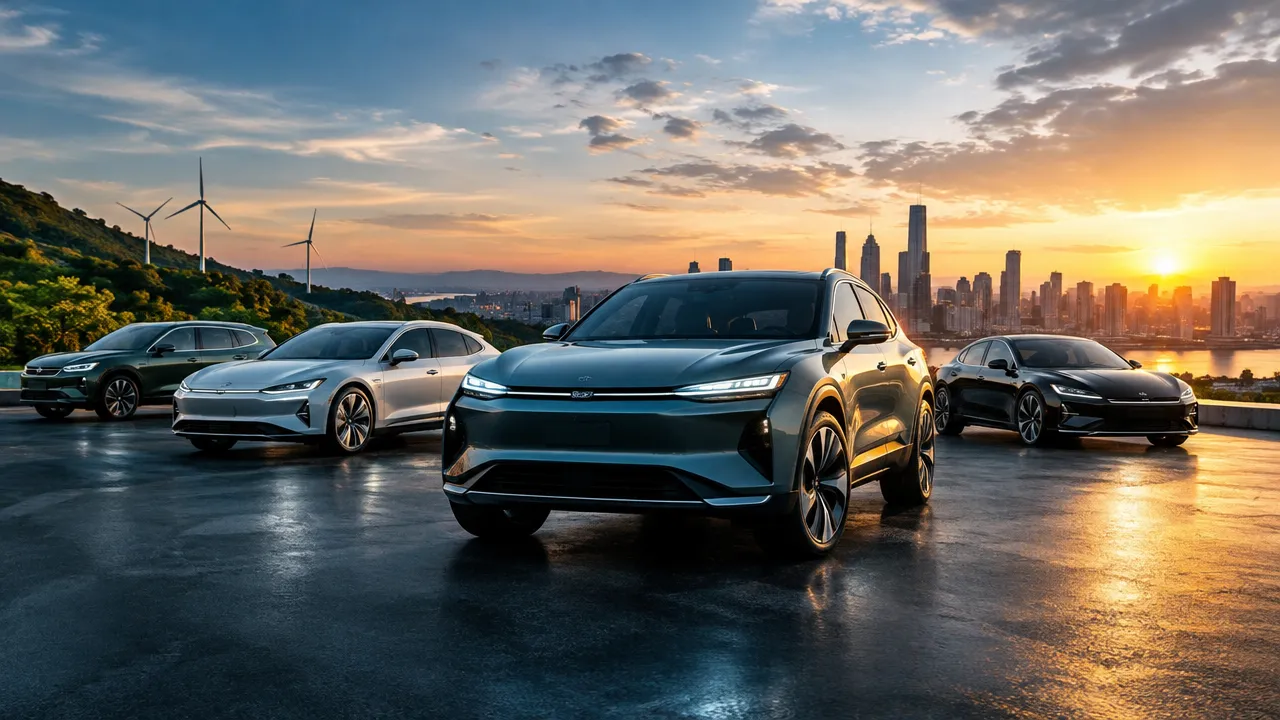
Bentley has unveiled its ambitious electric Torcal EV, a vehicle that promises to redefine luxury in the electric era. This high-tech machine features curved displays and crystal accents that speak to the brand's commitment to combining cutting-edge technology with traditional craftsmanship. The Torcal's design philosophy suggests that Bentley isn't just transitioning to electric power but is reimagining what luxury means in an electrified world. The curved displays and crystal accents aren't just aesthetic choices—they represent a new approach to integrating technology seamlessly into the passenger experience, potentially setting new standards for how luxury EVs will be designed in the coming years.
Ford's Expansion Into the Aftermarket: Custom Garage Venture
Ford's entry into the $53 billion aftermarket industry through its Custom Garage venture marks a significant strategic move. The company is targeting the $57,350 Bronco with this initiative, positioning it as a vehicle that can be customized to meet individual consumer preferences. This approach reflects Ford's understanding that modern car buyers are increasingly looking for personalization options beyond just basic vehicle features. By entering the aftermarket space, Ford is essentially creating a new revenue stream while strengthening brand loyalty through customization. The move also suggests that Ford recognizes the growing importance of the aftermarket industry in maintaining vehicle value and consumer engagement.
Land Rover's Discovery Sport Retirement: An End of an Era
Land Rover's decision to retire the Discovery Sport after just one generation is a significant moment for the brand. This marks the end of an era for what was once the brand's oldest model, signaling a strategic shift in Land Rover's product lineup. The Discovery Sport's retirement likely reflects changing consumer preferences and the need for more modern, efficient models that can compete in today's market. This move demonstrates how even established brands must adapt to evolving market conditions, even when it means discontinuing long-running models that have served them well in the past.
Volkswagen's 1,000-Horsepower Golf: Performance Beyond Expectations
Volkswagen's development of a 1,000-horsepower Golf represents a bold performance statement that pushes the boundaries of what's possible in the compact car segment. This extreme performance version showcases the engineering prowess of the German automaker and highlights the potential for high-performance variants in mainstream vehicles. The Golf's transformation into a 1,000-horsepower machine suggests that manufacturers are exploring new ways to deliver excitement and performance without necessarily moving to larger, more expensive vehicles. This development could influence how other manufacturers approach performance in their compact offerings.
Tesla's Model 3 Lease Rate Increase: Market Dynamics at Play
Tesla's quiet increase in lease rates across its Model 3 lineup indicates the company's response to market dynamics and cost pressures. This move suggests that Tesla is adjusting its pricing strategy to account for inflation, supply chain challenges, and the overall economic environment. The increase in lease rates could be a signal that Tesla is preparing for a more competitive market landscape, where traditional automakers are increasingly offering electric alternatives. It also reflects the broader industry trend of manufacturers adjusting their financial strategies in response to changing market conditions.
Mercedes Production Moves in Hungary: Strategic Manufacturing Adjustments
Mercedes-Benz's strategic production moves in Hungary while facing workforce costs in Germany illustrate the complex global nature of automotive manufacturing. These adjustments reflect the industry's need to balance cost efficiency with quality standards while navigating geopolitical and economic challenges. The shift in production focus demonstrates how manufacturers are adapting to global supply chain disruptions and workforce availability issues, ensuring that they can maintain competitiveness while managing operational costs.
Extreme Performance Stories: From Porsche to Audi
The automotive world continues to deliver extreme performance stories, from a Porsche Cayenne reaching 167 mph under a plane to a 3,700-mile Audi S4 Wagon with a V8 and manual transmission. These examples showcase the passion and engineering excellence that continues to drive automotive enthusiasts. Such extreme performance vehicles remind us that while electrification is the future, the thrill of high-performance driving remains a powerful draw for many consumers. These stories also highlight how manufacturers are continuing to push the limits of what's possible in their vehicles, even as they transition to electric powertrains.
Industry Context: Electrification, Performance, and Cost Management
The automotive industry's focus on electrification, performance, and cost management is reshaping the market landscape. Manufacturers are investing heavily in electric vehicle development while simultaneously maintaining their performance credentials. This dual approach reflects the industry's recognition that consumers want both environmental responsibility and driving excitement. The market is also seeing increased emphasis on cost management as manufacturers navigate supply chain challenges and economic pressures. These factors are driving innovation in battery technology, manufacturing processes, and vehicle design, ultimately leading to more sophisticated and capable vehicles.
Legal Challenges and Consumer Protection
The industry is also facing legal challenges that highlight the importance of consumer protection and ethical business practices. Dealerships that have faced legal consequences for questionable practices are a reminder that the industry must maintain high standards of integrity. These cases underscore the need for transparency and accountability in automotive sales, ensuring that consumers are protected while manufacturers can continue to innovate and grow. The regulatory environment is becoming increasingly important as the industry evolves, with new rules and standards being implemented to protect both consumers and businesses.
What This Means for Car Enthusiasts
For car enthusiasts, today's developments represent both challenges and opportunities. The industry's shift toward electrification opens new possibilities for performance and efficiency, while the continued focus on extreme performance ensures that driving excitement remains central to automotive culture. The retirement of older models like the Land Rover Discovery Sport reminds us that the automotive landscape is constantly evolving, and enthusiasts must adapt to new technologies and offerings. However, the continued development of high-performance vehicles and the industry's commitment to innovation mean that there will always be exciting new cars to discover and experience. Whether it's the luxury of a new electric Bentley or the raw performance of a 1,000-horsepower Golf, the automotive world continues to deliver the experiences that passionate drivers crave.