Audi's $4B Georgia Factory, Racing Bulls Pressure, and Chery's U.S. Ambitions: Monday's Automotive Roundup
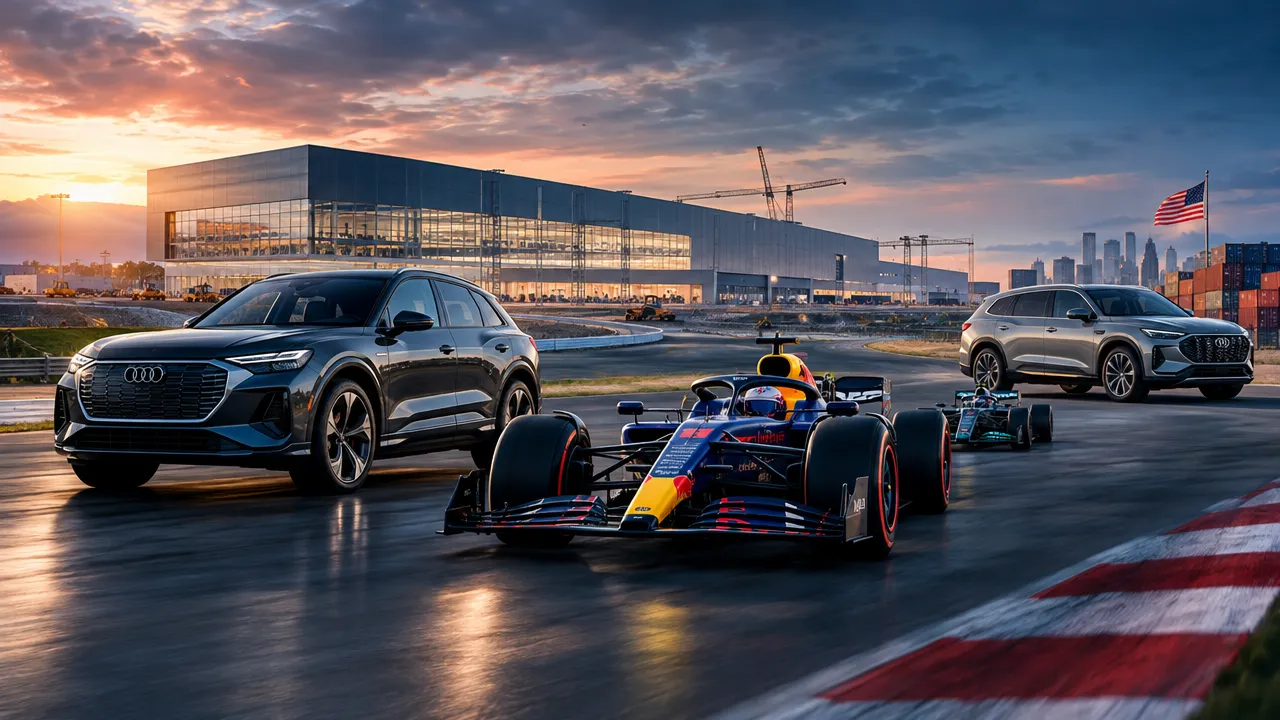
The automotive world is spinning fast this Monday, with big investments, shifting dynamics in motorsport, and a growing debate over global market access. From the U.S. South to Formula 1’s competitive corridors, industry players are redefining their strategies in response to evolving consumer demands and technological trends. It's not just about cars anymore—it's about long-term positioning, global competition, and how brands adapt to stay relevant. Whether it's Audi making a bold move into American manufacturing or Chery pushing for market entry in the U.S., today’s headlines are telling us that the automotive landscape is more interconnected than ever.
Audi’s $4 Billion Georgia Bet: A New Era for North American Expansion
Audi’s announcement of a $4 billion investment to build a factory in Georgia signals a major strategic shift. The plant, set to produce up to 200,000 vehicles annually starting in the early 2030s, is more than just a manufacturing expansion—it's a statement of intent. This move shows Audi’s confidence in the North American market and its commitment to local production, especially as global supply chains continue to face challenges.
Key insights:
• The factory will focus on electric vehicles, aligning with Audi’s broader electrification strategy
• Georgia was chosen for its business-friendly environment and strategic location near major logistics hubs
• This investment marks a significant milestone in Audi's long-term North American growth plan
Racing Bulls Under Pressure as Lawson’s Result Adds Contract Tensions
In Formula 1, Liam Lawson’s ninth-place finish in Austin has put more pressure on Racing Bulls to secure his future. While the result was a solid one, it comes at a time when expectations are high for the team and driver. Lawson’s performance is undeniably strong, but his contract situation remains in flux as teams weigh their options.
Meanwhile, Kimi Antonelli continues to gain momentum in the championship standings with his recent U.S. Grand Prix victory. This win brings him closer to securing a top-tier seat in F1, and it's a reminder that the competition is fierce at the top of the grid.
Chery Enters the U.S. Market: A Technological Debate
Chinese automaker Chery is making its move into the U.S. market, with leadership advocating for entry and warning that excluding Chinese brands could leave American manufacturers behind in terms of technology and innovation. While this may sound controversial, it reflects a broader conversation about global automotive collaboration versus protectionism.
Key points:
• Chery argues that its technology is competitive and offers value to American consumers
• The push highlights increasing globalization in the auto industry
• It underscores how traditional barriers are being challenged by market realities
Off-Road Legacy, Electric Adoption, and NASCAR Dominance
In Australia, the Mitsubishi Pajero continues to uphold its off-road legacy, though it’s facing criticism over its diesel engine choice and AdBlue requirement. Despite these concerns, the brand remains committed to delivering a rugged, reliable vehicle for those who need it most.
MG, on the other hand, is optimistic about electric ute adoption despite low sales figures. The company believes that as consumer habits shift and charging infrastructure improves, demand will follow. It’s a long-term bet that reflects the industry’s broader transition to electrification.
Meanwhile, NASCAR sees Kyle Larson deliver a stunning Talladega win, demonstrating his ability to rise to the occasion in high-pressure situations. This victory not only boosts his championship hopes but also reinforces his status as one of the sport’s top talents.
The Bigger Picture: What These Trends Tell Us About the Industry
These developments are more than isolated incidents—they’re signs of a rapidly evolving automotive landscape. Audi’s investment signals that global manufacturers are taking local production seriously, especially in regions with strong demand and favorable policies. Racing Bulls’ struggles with contract negotiations reflect the increasing importance of talent retention in competitive motorsport.
The debate over Chery's market entry is emblematic of larger industry shifts. As countries become more integrated economically, we’re seeing fewer walls between markets, which brings both opportunity and challenge. For manufacturers, it means staying ahead of technology trends while navigating geopolitical complexities.
What This Means for Car Enthusiasts
For car enthusiasts, these developments are a reminder that the automotive world is in constant flux. Whether you're watching Formula 1’s dramatic races, considering an electric ute, or simply keeping up with global brand strategies, there's no shortage of excitement. The future holds more choices, more innovation, and more competition—all of which should be thrilling for anyone passionate about cars.
As the industry continues to evolve, it's clear that brands like Audi, Racing Bulls, and Chery are shaping not just their own futures, but also the direction of global automotive culture.