Reality Check: BMW Retires the iX, Genesis Targets 640-Mile Hybrids, and Adelaide Heats Up
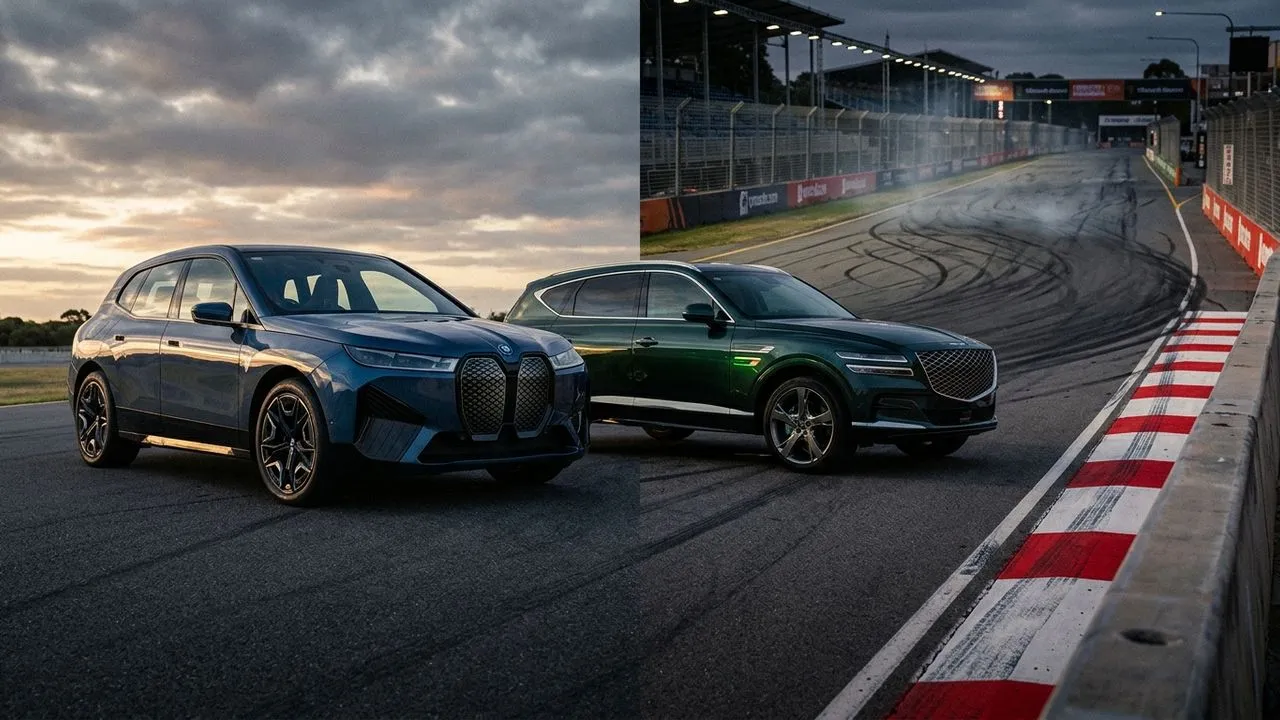
The glossy design manifestos and ultra-optimistic electric roadmaps penned just a few years ago are colliding head-on with showroom realities, triggering a fascinating realignment of industry priorities. Automakers that once raced to carve out bespoke, quirky EV sub-brands are discovering that buyers frequently prefer familiar badges, balanced styling, and powertrains that fit their daily lives without logistical gymnastics.
Meanwhile, corporate accounting departments are tightening their grip on factory racing budgets, forcing storied marques to consolidate motorsport efforts while grassroots and regional racing enjoy bumper crowds. From Munich boardroom pivots to tyre smoke on the Adelaide street circuit, today's dispatches show an industry trading speculative hype for grounded, high-impact execution.
BMW Swings the Axe on the iX: Back to Familiar Badges
When BMW unleashed the iX flagship electric SUV, it served as a rolling technological manifesto: radical proportions, an avant-garde carbon-reinforced cabin, and an exterior styling direction that ignited endless internet debate. Now, reports indicate BMW is preparing to swing the axe on the standalone iX, choosing not to grant it a direct second generation.
Instead, BMW is steering its electric future back into the welcoming embrace of its core model lines. The spiritual successor to the iX will be integrated into the next-generation X5 family, underpinned by flexible architecture drawing heavy inspiration and tech from the forthcoming Neue Klasse platform. Alongside a refreshed 7 Series, this unified portfolio approach highlights an essential lesson legacy automakers have learned the hard way:
Mainstream luxury buyers want an electric BMW X5 that looks and feels like a cohesive prestige machine, not a polarizing design experiment.
Consolidating assembly lines and body pressings across combustion, plug-in hybrid, and pure electric powertrains slashes overheads dramatically.
Software, Neue Klasse battery pack density, and user interfaces can shine brighter when packaged inside universally loved vehicle proportions.
Genesis Eyes 640 Miles with Range-Extender Tech
While BMW unifies its luxury staples, Genesis is taking direct aim at the ultimate hurdle in electric adoption: range anxiety. The Korean luxury marque is actively developing Extended-Range Electric Vehicle (EREV) powertrains, targeting a staggering range of up to 640 miles (over 1,000 kilometres) on a single charge and tank.
Unlike traditional plug-in hybrids where a combustion engine routinely drives the wheels through a gearbox, an EREV uses electric motors exclusively for propulsion, running a compact petrol engine solely as an onboard generator to top up the battery. It is a pragmatic masterstroke for a luxury brand seeking to lure interstate tourers who love instant electric torque but loathe crowded charging plazas during holiday road trips.
Motorsport Shakeups: Stellantis Trims Factory Programs While Adelaide Roars
Motorsport boardrooms are feeling the chill of corporate restructuring. Stellantis has confirmed plans to scale back its top-tier factory racing footprint, pulling out of Formula E and the FIA World Endurance Championship (WEC) to safeguard and focus its competitive resources on customer racing and WRC2 rallying.
While endurance prototypes pack up their hospitality suites, Australian racing fans are gearing up for high-octane drama. The bp Adelaide Grand Final headlines a packed domestic racing calendar this week, turning South Australia's capital into a high-speed amphitheatre. Street circuits have an unmatched ability to bring raw, unvarnished V8 thunder directly to urban grandstands, proving that authentic fan engagement and tight door-to-door racing remain completely immune to shifting corporate winds.
China’s High-End Ambitions and Heavy-Duty Reality Checks
Beyond powertrain pivots and trackside drama, global market skirmishes continue apace:
**GWM Wey Lanshan on the Horizon:** Great Wall Motor is actively evaluating an Australian launch for its luxury flagship Wey Lanshan plug-in hybrid. Dripping in chrome and packed with tri-screen infotainment, the Lanshan has premium staples like the Land Rover Defender firmly in its sights, underscoring how aggressively Chinese automakers are climbing into premium price brackets.
**Mansory Divides the Room (Again):** Performance tuner Mansory has unveiled its latest carbon-fibre treatment for the Porsche 911 Turbo S. Featuring vented fenders, forged carbon diffusers, and aggressive aero appendages, it completely discards Stuttgart’s timeless restraint in favour of unabashed visual theatre.
**Heavy-Duty Safety Recalls:** Demonstrating that routine manufacturing quality remains a daily challenge, recall notices have been issued impacting Chevrolet Silverado 2500 heavy-duty pickups and Ford Transit commercial vans, targeting steering and electrical safety checks before peak holiday haulage gets underway.
The Enthusiast Takeaway: Pragmatism Takes the Wheel
What links today's diverse headlines is an overdue return to engineering and commercial common sense. The automotive landscape is moving past the era of boardroom daydreams and one-size-fits-all electrification. From BMW re-anchoring its luxury EVs to traditional nameplates and Genesis mastering long-range generators, to Adelaide packing the fences with pure V8 drama, the industry is recalibrating toward what actually excites, satisfies, and serves the driver.