Electric Dreams, Hybrid Hesitations, and High-Octane News: What’s Happening in Auto Land Today
The automotive world is spinning faster than ever, and today’s headlines are a perfect reflection of the industry’s dynamic evolution. From electric breakthroughs to recalls and regulatory shifts, it’s a day that reminds us just how unpredictable—and exciting—this space can be. Whether you're a fan of high-performance supercars or someone who’s keeping an eye on the latest EV trends, there’s something here that demands your attention. The line between innovation and caution is being redrawn daily, and today’s developments are a prime example of that ongoing tension.
What’s more, the global automotive landscape is being reshaped by a mix of consumer demand, environmental policies, and a dash of unexpected legal drama. The news we’re covering today isn’t just about cars—it’s about the future of transportation, the challenges of electrification, and the persistent push for performance that never seems to fade. It’s a day that perfectly encapsulates the complexity and intrigue of the modern automotive industry.
With recalls, new models, and strategic pivots across the board, it’s clear that the industry is not just reacting to change—it’s actively shaping it. From the subtle but significant shift in how luxury SUVs are being reimagined to the bold moves by manufacturers like Pagani and Jaguar Land Rover, there’s a lot to unpack. And if you’re a car enthusiast, this is the kind of day that keeps you on your toes, always wondering what comes next.
Hyundai’s Palisade Gets a Sleek Blacked-Out Makeover
Hyundai’s Palisade, a standout in the midsize SUV segment, is getting a new variant that leans into the dark, aggressive aesthetic that’s been dominating the luxury car market. The new blacked-out version isn’t just about looks—it’s a strategic move to appeal to buyers who want that premium, understated vibe. While it might not be a revolutionary change, it does signal Hyundai’s continued effort to keep its lineup fresh and competitive in a crowded market.
The added visual appeal of this variant could also help boost sales, especially among younger buyers who are drawn to the aesthetic of minimalism and performance. It’s a smart play in a segment where appearances still matter, and where subtle upgrades can make a big difference in consumer perception.
Toyota’s Caution on PHEVs for Trucks
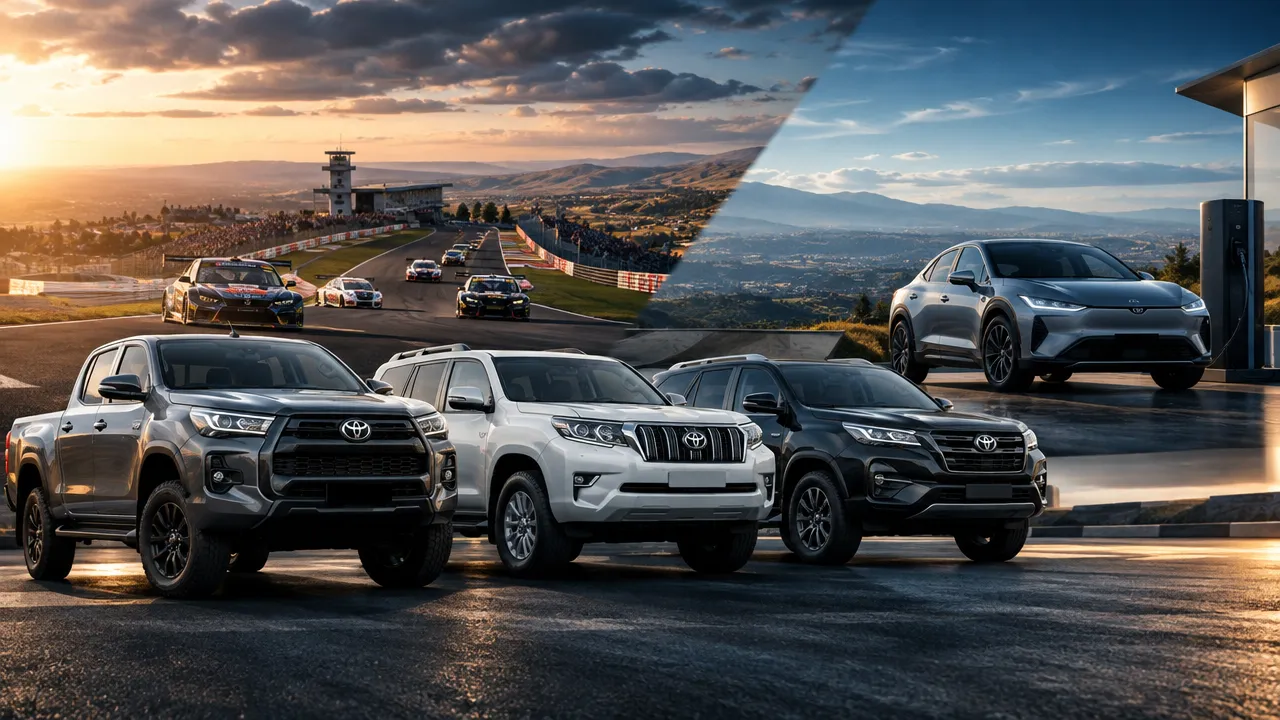
Toyota’s cautious stance on plug-in hybrid trucks is a reminder that the transition to electrification isn’t just about the technology—it’s about practicality and real-world application. The company’s concern about payload capacity in trucks is a critical consideration, especially as the industry pushes for more electric options in commercial and heavy-duty segments.
This hesitation doesn’t mean Toyota is against electrification, but rather that it’s being strategic. It’s a sign that automakers are beginning to understand that not every vehicle type is suited for an immediate EV transition, especially when it comes to trucks where utility and performance are paramount. It’s a nuanced approach that could influence how others in the industry proceed with their own electrification plans.
Jaguar Land Rover’s Electric Future for the Range Rover Velar
The upcoming Range Rover Velar successor is being reported to launch as an electric vehicle first, which is a bold and timely move. It reflects the industry’s growing confidence in EV technology and the increasing consumer demand for sustainable luxury options. The hybrid version is expected to follow in 2026, suggesting a phased approach that could help build consumer confidence and market readiness.
This decision also positions Jaguar Land Rover to stay ahead of the curve, especially as competitors like BMW and Mercedes-Benz are also making significant moves in the electric luxury SUV space. It’s a strategic play that could help the brand maintain its premium positioning while adapting to a rapidly changing market.
Pagani’s Huayra 70 Derecho: A Manual V12 Roadster
Pagani’s latest offering, the Huayra 70 Derecho, is a reminder that there’s still a strong appetite for pure, unfiltered driving experiences. With its manual transmission and striking two-tone finish, the Huayra 70 Derecho is designed for those who want to feel every moment of the drive, not just experience the thrill of electric acceleration.
This car is a testament to the enduring appeal of high-performance, handcrafted machines. While the EV revolution is sweeping the industry, there are still buyers who value the emotional connection that comes with a manual transmission, a V12 engine, and a car built with passion and precision.
Ford and Tesla Recall Issues Highlighting the Challenges of EV Development
Ford’s recall of over 66,000 hybrids due to a software fix that created new problems is a cautionary tale in the EV space. It highlights the complexity of software updates in modern vehicles and the potential for unintended consequences. The recall of both gas and electric models also underscores how interconnected these systems are.
Meanwhile, the Tesla driver charged with manslaughter after a fatal crash involving Full Self-Driving capabilities is a sobering reminder of the ongoing safety debates around autonomous driving. As we move toward a future where self-driving technology becomes more common, these incidents will likely shape how regulations and expectations evolve.
Production Shifts and Legal Drama
Toyota’s decision to shift some Tacoma manufacturing from Mexico to Texas is a strategic move that reflects the changing dynamics of global production. It could be influenced by trade policies, labor costs, or a desire to be closer to key markets. Either way, it’s a move that could have ripple effects across the industry.
On the legal front, former President Trump’s pardon of nine diesel tuners is a curious twist. It shows how political decisions can intersect with environmental policy, and it raises questions about the enforcement of emissions standards. It’s a reminder that the automotive industry isn’t just about cars—it’s about the complex web of regulations and politics that shape how we drive.
Industry Context and Analysis: The Shift Toward Electrification and Performance
The automotive industry is in a unique phase where electrification and performance are converging in new and exciting ways. The fact that luxury SUVs are now being launched as electric models first is a major shift from the past, where hybrids were often the stepping stone to full electrification.
However, this transition isn’t without its challenges. As we’ve seen with Ford and Toyota, there’s still a lot of work to be done in terms of software, payload, and real-world usability. The industry is learning that electrification isn’t just a switch—it’s a complex transformation that requires careful planning and execution.
Moreover, the continued demand for high-performance machines like the Pagani Huayra shows that there’s still a strong market for manual transmission, V12 engines, and cars that prioritize the driver’s experience. It’s a reminder that while the future is electric, the past still holds a powerful appeal.
What This Means for Car Enthusiasts
For car enthusiasts, today’s news is a mix of excitement and caution. The industry is clearly moving toward electrification, but there’s still room for performance, craftsmanship, and emotional connection. Whether you’re into the latest EVs or prefer the raw power of a V12, there’s something here for everyone.
The shift in how vehicles are being developed—especially in the luxury SUV space—means that enthusiasts should keep an eye on both the electric and traditional performance segments. It’s a dynamic time, and those who stay informed will be better prepared for the changes ahead.
In the end, today’s automotive headlines are a reminder that this industry is never static. It’s constantly evolving, pushing boundaries, and sometimes even surprising us. For those of us who love cars, that’s what makes it all so thrilling.