Electric Dreams and Nostalgic Nuances: Automotive News Roundup for August 10, 2026

The automotive industry continues to dance between innovation and tradition, with headlines that reflect both the rapid evolution of technology and the enduring love for classic design. As we navigate through August 2026, the landscape is shaped by new electric models aimed at broader accessibility, nostalgic nods to past eras, and the ongoing debate over safety in autonomous vehicles. Whether it’s the rise of affordable EVs or the surprising persistence of CD players, this week's stories underline how the industry is adapting to a world where consumer demand and regulatory pressure intersect in unexpected ways.
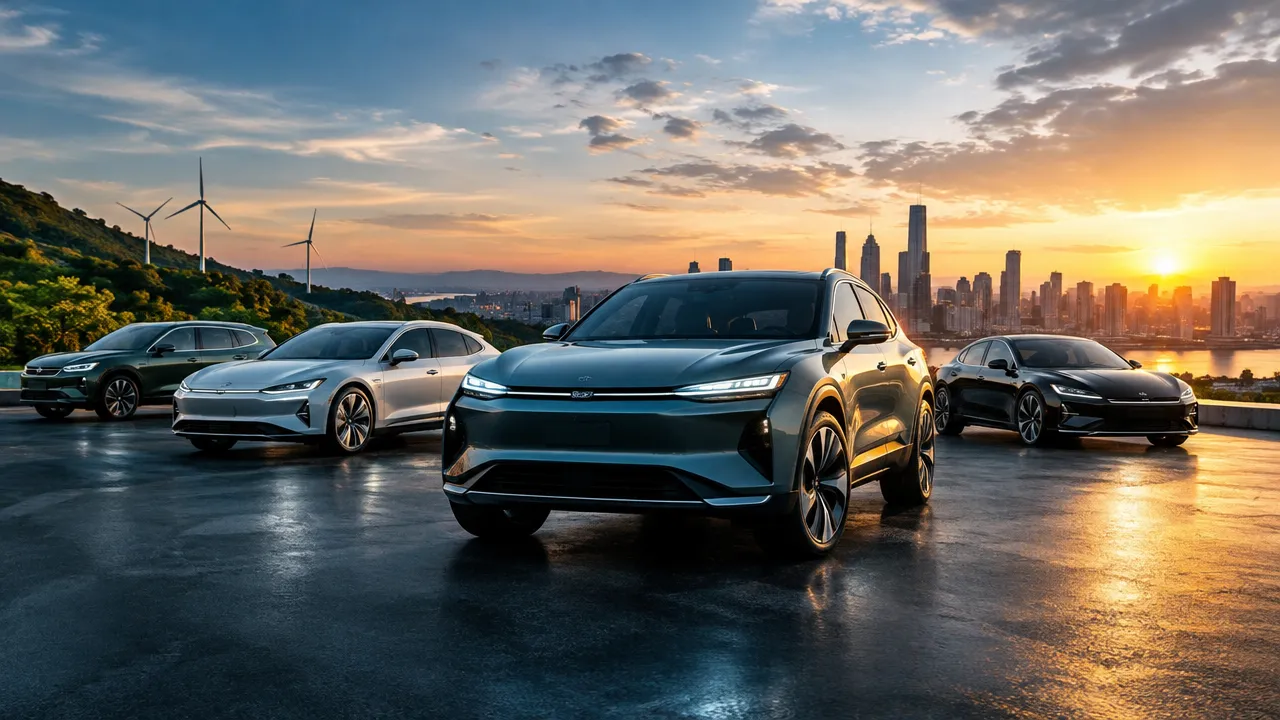
The push toward electric mobility is gaining momentum, particularly in Australia where GAC Aion UT’s entry-level variant promises to make EVs more accessible. With an anticipated price point that puts it among the country's most affordable electric vehicles, this move could be a game-changer for the Australian market. For those who’ve been watching the EV space closely, this is a significant development—especially considering how quickly prices have dropped across global markets. This model isn’t just about affordability; it represents a shift in strategy from premium to mass-market adoption.
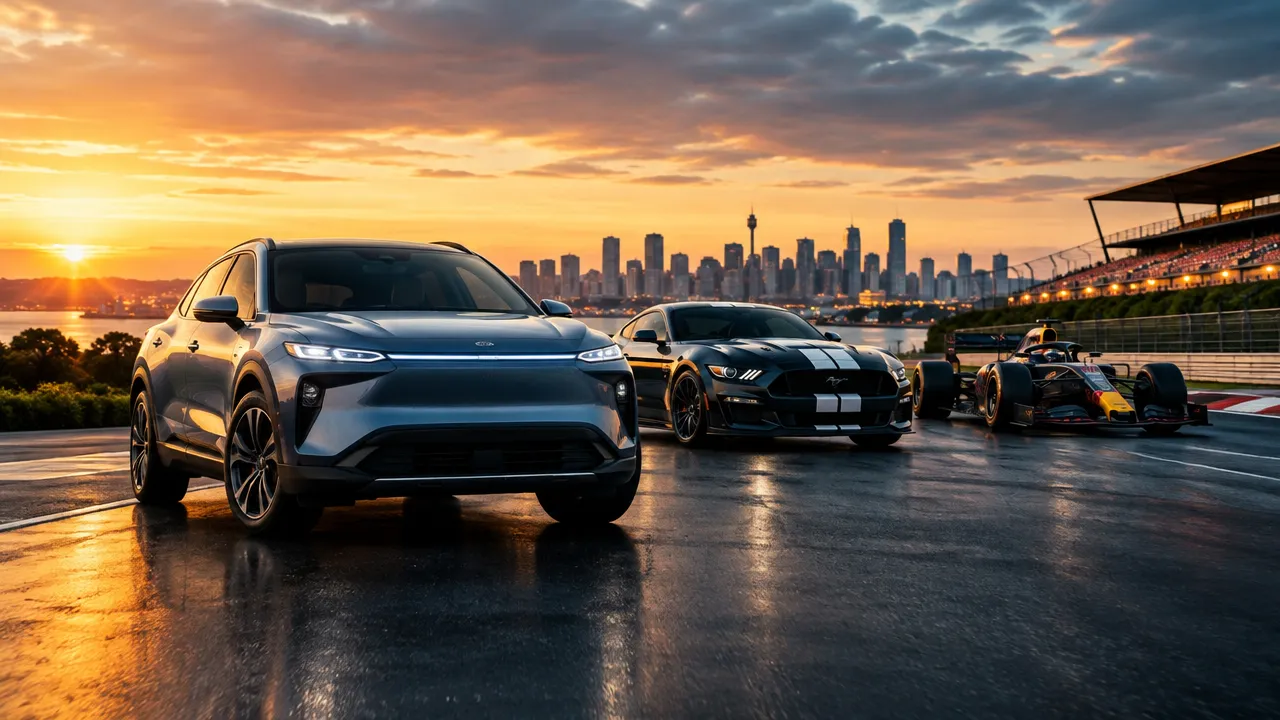
At the same time, Ford continues to diversify its portfolio with plans for a budget SUV and a four-door Mustang. These announcements suggest that Ford is not only trying to reach younger demographics but also exploring new market segments where performance and practicality can coexist. The idea of a four-door Mustang might sound like a contradiction, but it’s actually an interesting twist on the classic muscle car formula—offering the iconic styling with modern utility. It also raises questions about how manufacturers are balancing nostalgia with the realities of today’s automotive landscape.
Making EVs Accessible: GAC Aion UT in Australia
One of the standout stories this week is the introduction of a more affordable GAC Aion UT variant for Australia. This new model, set to enter the market by 2026, is expected to be one of the country’s cheapest electric vehicles. By offering an entry-level option, GAC aims to tap into a growing consumer base that might have otherwise been hesitant about making the switch to electric. The UT variant is likely to feature a smaller battery pack and fewer premium features, but it will still provide the core benefits of EV ownership—zero emissions, low maintenance, and a smooth driving experience.
What makes this development particularly significant is its potential impact on Australia’s EV adoption rate. While the country has made progress in recent years, affordability remains one of the biggest barriers to widespread EV use. The Aion UT’s pricing strategy could help bridge that gap and encourage more Australians to consider electric as a viable option. It also highlights how global automakers are adapting their product lines to meet local needs—something that will be crucial in an increasingly competitive EV market.
Ford’s Expansion: Budget SUV and Four-Door Mustang Plans
Ford is making headlines with plans to introduce both a budget-friendly SUV and a four-door Mustang, signaling its intent to expand into new segments. The budget SUV is expected to target younger buyers who are looking for practicality without breaking the bank. While it may not have all the bells and whistles of higher-end models, this vehicle could be Ford’s way of making its brand more approachable to a wider audience.
The four-door Mustang is perhaps even more intriguing. It combines the muscle car’s iconic styling with modern comfort and utility—offering something that many enthusiasts have been asking for. While some may question whether this move dilutes the Mustang's legacy, it also opens up the brand to a broader demographic, including families and urban dwellers who might not have considered a Mustang before. It’s a bold strategy, but one that could help Ford stay relevant in an ever-changing market.
Nostalgia in the Age of Innovation: Subaru’s CD Player
In an industry where digital innovation is paramount, Subaru remains a curious outlier by continuing to include a CD player in its U.S. models. While this feature is no longer standard across most automakers, it’s still present in two new cars in America—both from Subaru. It’s a small detail, but it speaks volumes about how some manufacturers are choosing to balance innovation with nostalgia.
This move might be seen as a nod to loyal customers who appreciate the familiarity of physical media, or perhaps it’s a strategic decision to offer more value for money. Either way, it highlights an interesting contrast in how automakers approach consumer preferences. While others are fully embracing digital interfaces and streaming services, Subaru is keeping one foot in the past—a reminder that not every buyer is ready to leave behind their comfort zone.
Motorsports and the Future of Mobility
In motorsports, Raul Fernandez’s win at Silverstone in a dominant Aprilia performance underscores the ongoing strength of motorcycle racing. The event also serves as a reminder of how innovation in two-wheelers can influence automotive technology—especially in areas like aerodynamics and powertrain efficiency.
Meanwhile, the idea of low-speed vehicles like golf carts being used as affordable alternatives to traditional cars is gaining traction in some communities. However, these solutions are more about filling niche needs rather than addressing broader affordability issues in mainstream transportation. While they may be useful for short trips or specific environments, they don’t represent a scalable answer to the wider challenges of car ownership.
The Camaro Sedan Delay and Hybrid Off-Roading Trends
Chevrolet’s Camaro sedan is now scheduled for a 2029 release, which delays its entry into the market by a year. Despite the delay, the model retains its manual transmission option, which is a big draw for enthusiasts who love hands-on driving experiences. The decision to keep the manual transmission shows that even as the industry moves toward automation, there’s still strong demand for vehicles that offer driver engagement.
On the other end of the spectrum, GWM’s Tank 500 Ultra Hi4-T PHEV showcases a new hybrid powertrain designed specifically for off-road enthusiasts. This model is part of an emerging trend where manufacturers are combining electric efficiency with rugged capability. It demonstrates how EV technology can be adapted to meet the needs of niche markets—offering the benefits of electric motors while maintaining the versatility of traditional SUVs.
Safety Debates and Autonomous Driving Challenges
Britain’s ongoing debate about converting automatic cars to manual driving highlights the complex safety considerations surrounding vehicle autonomy. As more vehicles become equipped with advanced driver assistance systems, questions arise about how much control drivers should retain. This discussion is especially relevant as the industry pushes toward fully autonomous driving in the future.
Additionally, a recent incident involving a Tesla owner being ticketed for speeding underscores the challenges of interpreting and applying regulations to autonomous vehicles. Despite claims of self-driving capability, Tesla’s Autopilot system still requires human oversight, and drivers must remain alert at all times. These incidents serve as reminders that while autonomous driving is progressing, it’s not yet foolproof—and the legal landscape remains unclear in many jurisdictions.
What This Means for Car Enthusiasts
This week’s automotive news paints a picture of an industry that's both evolving and clinging to its roots. For car enthusiasts, there are plenty of exciting developments to keep an eye on—from affordable EVs to nostalgic features like CD players and the promise of new muscle car variants. At the same time, the debate over autonomous driving and safety regulations reminds us that even as technology advances, human involvement in the driving experience remains crucial.
Whether you’re drawn to the thrill of a manual transmission, the comfort of a hybrid SUV, or the nostalgia of a classic design, the automotive world has something for everyone. As manufacturers continue to innovate, they’re also responding to consumer desires for both performance and practicality—offering more choices than ever before. For those who love cars, these developments are not just news—they’re a reflection of an industry that continues to evolve, inspire, and delight.