From NASCAR Trucks to Supercars: A Week of Automotive Contrasts
The automotive world keeps spinning in unexpected directions, and this Sunday’s headlines are a perfect snapshot of just how diverse and dynamic the industry has become. From high-octane racing comebacks to deep-seated controversies over service policies, we're seeing a fascinating blend of old-school grit and modern innovation. Whether it's a veteran driver fighting back from adversity in NASCAR or a luxury automaker grappling with declining sales, these stories reflect the ever-evolving landscape where tradition meets disruption.
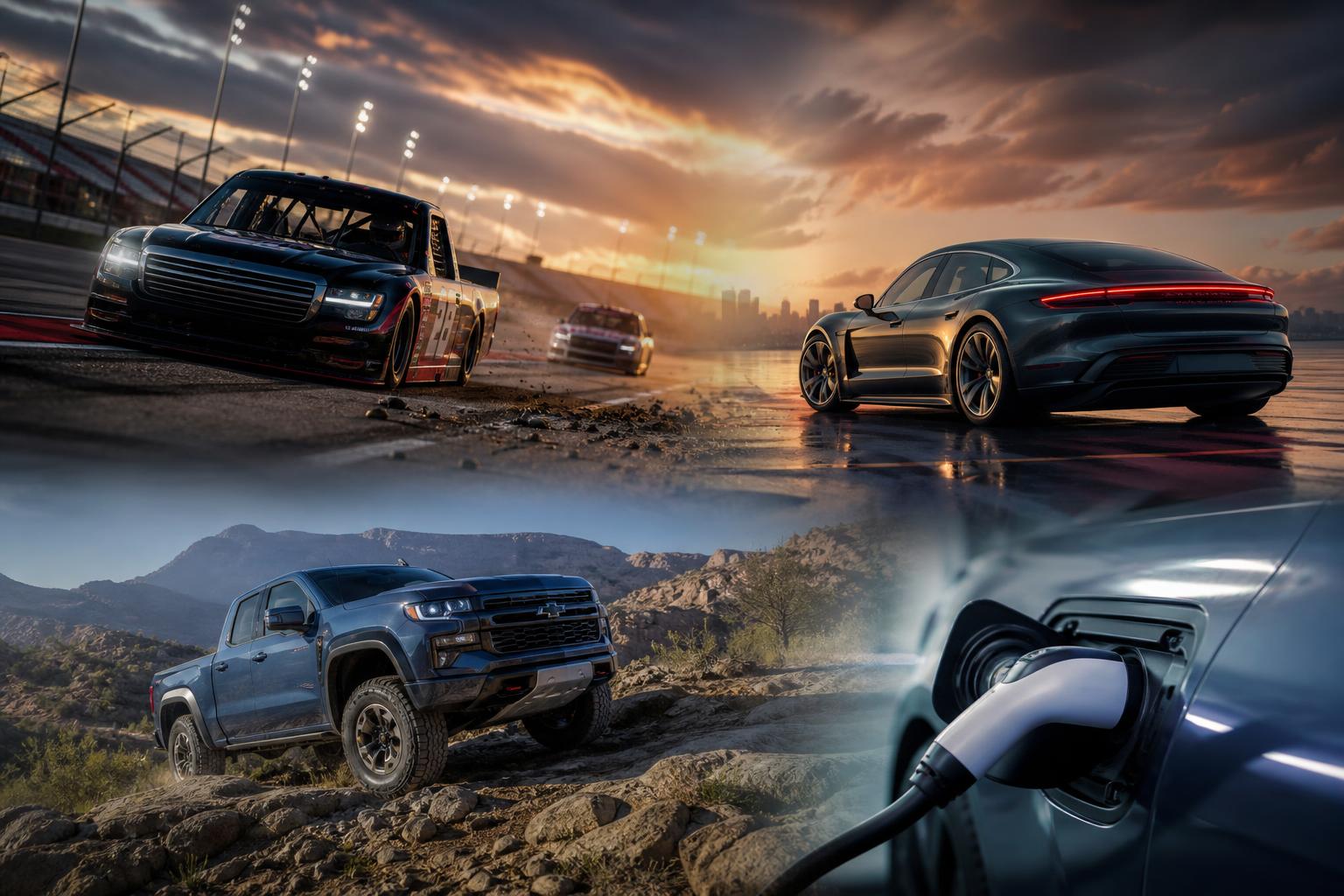
The week has offered up some stark contrasts—on one hand, there’s the raw determination of Shane van Gisbergen rallying to fourth place at Richmond despite a pit lane penalty; on the other, there's Subaru’s controversial stance on engine repair costs. Meanwhile, Chevrolet is pushing boundaries with its 2026 Silverado ZR2, embracing the off-road challenge while potentially sacrificing fuel economy. And in the electric realm, Porsche's Taycan faces an uncertain future amid a sharp sales drop, while Tesla's CEO pay discrepancy raises questions about wealth distribution within the industry.
This mix of excitement and controversy isn't just about individual vehicles—it's about the broader narrative that defines where we're heading as an industry. From classic design revivals to cutting-edge digital upgrades in even America’s oldest new cars, every story contributes to a larger conversation about what makes automotive culture so compelling.
Racing Resilience and Industry Backlash
Shane van Gisbergen's performance at the NASCAR Trucks Series race at Richmond stands as a testament to grit and determination. Despite suffering a pit lane penalty that cost him valuable track position, the veteran driver managed to claw his way back into fourth place—a result that speaks volumes about both his skill and the unpredictability of racing. This comeback isn't just a win for van Gisbergen; it also reinforces how crucial adaptability is in today's competitive motorsports landscape.
In contrast, Subaru’s handling of engine repair issues has drawn criticism from car owners who feel they’re being penalized for doing their own maintenance. The automaker’s refusal to cover costs related to DIY oil changes may seem like a cost-cutting move, but it risks damaging consumer trust and brand loyalty. This incident serves as a reminder that while automakers must manage expenses, customer satisfaction should never be compromised in the name of profitability.
Off-Road Warriors and EV Uncertainty
Chevrolet’s entry into the rugged off-road segment with the 2026 Silverado ZR2 marks a bold step for the brand. Designed with trail warriors in mind, this model trades fuel efficiency for raw capability, emphasizing durability and performance over economy. It's a strategic move that taps into the growing demand for capable pickup trucks, especially as more people seek versatile vehicles for both work and recreation.
Meanwhile, Porsche’s Taycan faces an ominous future amid a 60% drop in sales over two years. While electric vehicle adoption continues to rise, luxury EVs like the Taycan are struggling to maintain their foothold in a competitive market. This downturn highlights how even prestigious brands must adapt quickly to changing consumer preferences and economic realities.
Classic Revivals and Digital Upgrades
The automotive industry's love affair with nostalgia continues to flourish, evidenced by both the 1997 Land Cruiser and the 2026 Nissan Z Heritage Edition. These models represent a bridge between past and present—respecting classic aesthetics while integrating modern features for today’s drivers. The Land Cruiser, built to be thrashed, has proven its durability with over 170 miles driven annually by one owner, showcasing how timeless design can still resonate with modern audiences.
Even the oldest vehicles in America are getting a digital upgrade. The Chevy Express, which holds the distinction of being America’s oldest new vehicle, is now receiving tech enhancements that keep it relevant in today's connected world. This shift shows that the automotive evolution isn’t limited to flashy new models—it extends to every era of production.
A Look at the Broader Automotive Landscape
As we reflect on these stories, it becomes clear that the industry is navigating a complex web of trends and challenges. From the rise of electric vehicles and digital innovation to shifting consumer behaviors and evolving service expectations, automakers must remain agile. The contrast between traditional performance and modern efficiency, between customer-centric policies and corporate profit motives, defines the current state of automotive development.
The Spyker comeback supercar with its 800 HP and handcrafted precision represents a niche but important segment—where exclusivity and craftsmanship are prized above mass production. It reminds us that while mainstream vehicles dominate headlines, there’s still a place for ultra-luxury, artisanal automobiles in the industry.
Tesla's CEO pay gap reflects broader concerns about wealth distribution within tech-driven industries. As companies become more profitable and influential, questions arise about how leadership compensation aligns with company performance and employee equity. This issue isn’t just about numbers—it’s a conversation about fairness and accountability in corporate structures.
What It All Means for Car Enthusiasts
For car enthusiasts, this week's developments offer both excitement and caution. The resilience of drivers like Shane van Gisbergen inspires confidence in the sport, while the controversies around service policies serve as a wake-up call about what to expect from manufacturers. Whether it’s the thrill of off-road adventures or the allure of classic design reimagined, there’s no shortage of stories that keep fans engaged.
The automotive industry continues to evolve at breakneck speed, and those who stay informed are better positioned to appreciate both the highs and lows of this journey. As we look ahead, one thing remains certain: the world of cars will continue to surprise us with its blend of innovation, tradition, and sometimes, controversy.