Automotive Shifts: From Luxury EVs to Overlanding Trucks and Legal Battles
The automotive industry is experiencing a seismic shift this week, with companies reevaluating their strategies, facing legal scrutiny, and adapting to a rapidly changing market. The move toward electrification is undeniable, but it's not without its challenges—financial losses, regulatory concerns, and shifting consumer preferences are reshaping the landscape in unexpected ways. As automakers grapple with profitability and the transition to electric vehicles, they're also discovering new niches and opportunities that weren’t on the radar just a few short years ago. Whether it's a luxury brand embracing a niche market or a mainstream truck getting an overlanding upgrade, the automotive world is proving that innovation and adaptability are more important than ever.
Denza Z9 GT: Luxury in a Niche Market
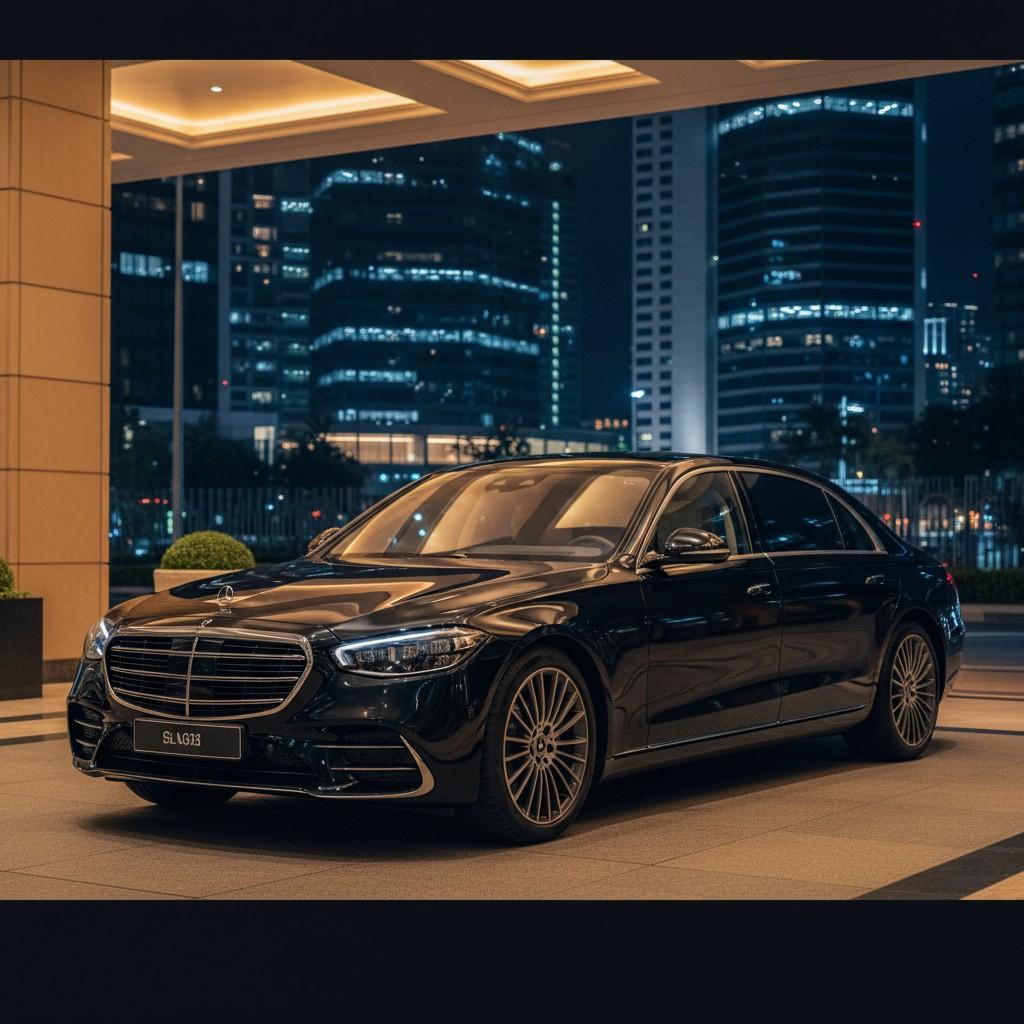
BYD’s luxury subsidiary Denza is making waves with its new Z9 GT, a high-end electric sedan that’s not aiming for mass appeal. The brand has made it clear that it’s comfortable with the Z9 GT being a limited offering, which signals a shift in how luxury automakers approach their product lines. Rather than chasing volume, Denza is focusing on exclusivity and craftsmanship, targeting affluent buyers who value both performance and design. While the Z9 GT may not be a top seller, its presence in the market shows that there's still room for premium electric vehicles that don’t rely on mass-market appeal. This move could influence other brands to explore similar strategies—offering high-end electric models that cater to a specific, niche audience.
Nissan Frontier Pro-4X Gets an Overlanding Makeover
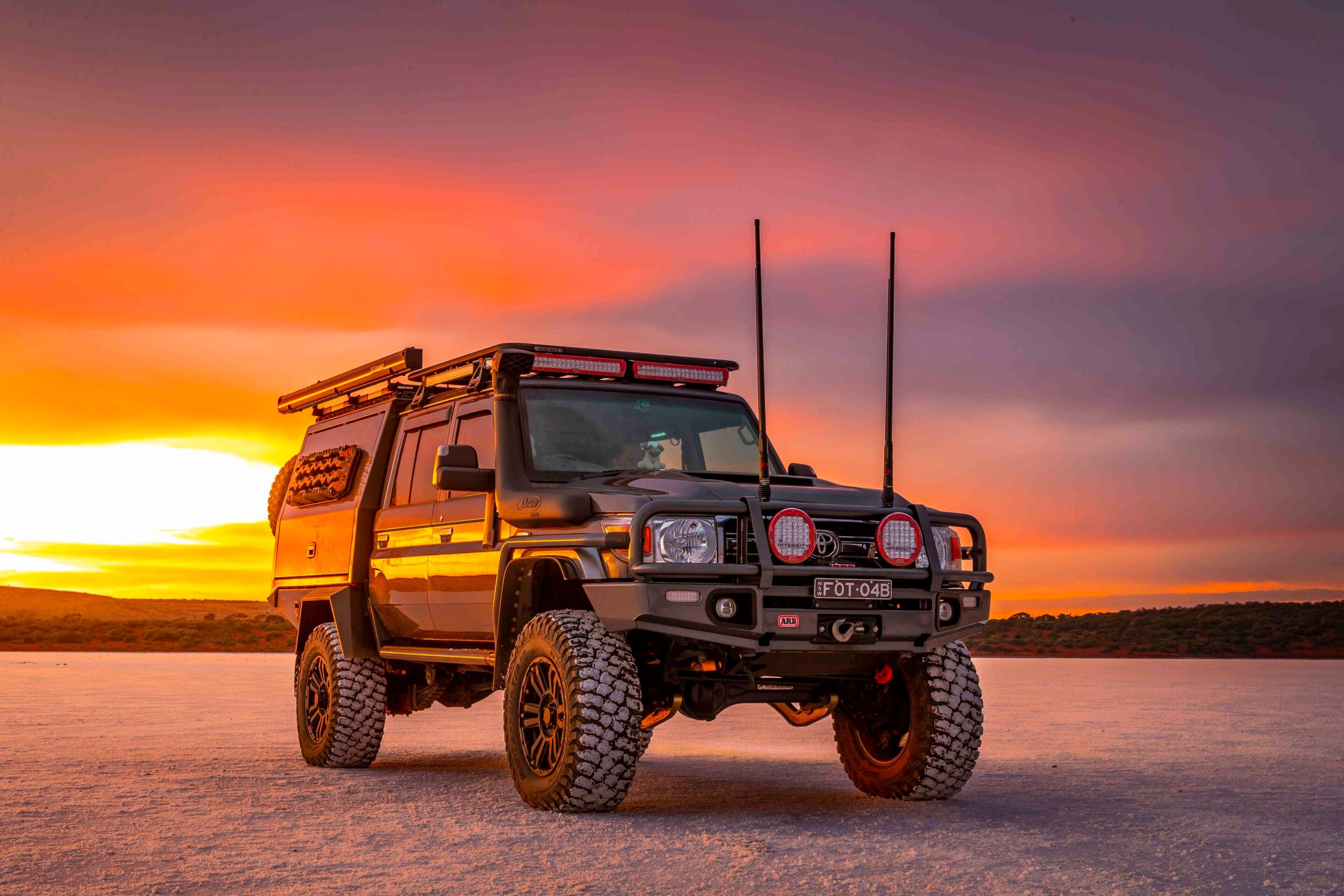
Nissan’s Frontier Pro-4X is getting a new twist with an overlanding makeover, aimed at outdoor enthusiasts and adventure seekers. This update isn’t just about aesthetics—it’s a strategic move to tap into the growing segment of consumers who are looking for trucks that can handle more than just daily commuting. With features tailored for off-road adventures, this version of the Frontier is positioning itself as a serious contender in the overlanding space. The idea is to give buyers a vehicle that’s not only capable in the dirt but also comfortable and equipped for long trips. This approach reflects a broader trend in the automotive industry—brands are recognizing the value of creating vehicles that serve multiple purposes, especially as people seek more diverse and adventurous lifestyles.
Stellantis Faces Legal Scrutiny Over Jeep 4xe Discontinuation
Stellantis is under fire for discontinuing its Jeep 4xe models amid concerns over fire safety, a move that has drawn legal attention and criticism from owners. The company’s decision to pull these electric models from the market raises questions about how automakers are handling the transition to electrification, especially when it comes to safety and consumer protection. The discontinuation of these models is not just a business decision—it’s a legal one that could set a precedent for how automakers manage the lifecycle of electric vehicles. As more companies phase out hybrid and electric models, the industry must ensure that safety concerns are addressed transparently and responsibly.
Honda’s EV Pivot: From 2040 Goal to 2028 Focus
Honda has announced a significant shift in its electric vehicle strategy, abandoning its 2040 EV-only goal and instead focusing on hybrid technology through 2028. The company reported a loss, which underscores the financial challenges that many automakers are facing as they transition to electrification. This pivot reflects a more pragmatic approach to electrification, acknowledging that the road to full EV adoption is longer and more complex than initially anticipated. While some may see this as a step backward, it also shows that Honda is prioritizing financial stability over ambitious timelines. The move could influence other automakers to reassess their own electrification strategies and consider more realistic, phased approaches.
ABT’s Cupra Formentor: A Lambo-Level Power Boost
ABT’s modified Cupra Formentor is delivering Lambo-level power using Audi’s retiring five-cylinder engine, showcasing how performance enthusiasts are pushing the limits of existing platforms. This modification isn’t just about speed—it’s about maximizing the potential of legacy engines and giving them a new lease on life. The Formentor’s transformation highlights the role of tuning companies in the automotive ecosystem, offering enthusiasts a way to experience high-performance driving without waiting for new models. It also underscores the importance of maintaining a balance between innovation and tradition in the automotive world.
Volkswagen’s 2027 Plans: Atlas Cross Sport and ID. Buzz with Bed
Volkswagen is preparing for 2027 with the launch of the new Atlas Cross Sport and ID. Buzz with a bed, signaling a continued push into the SUV and electric vehicle segments. The Atlas Cross Sport is expected to appeal to families and outdoor enthusiasts, while the ID. Buzz with a bed is aimed at a more adventurous demographic. These models are part of Volkswagen’s broader strategy to expand its electric lineup and capture new market segments. The company’s approach to integrating comfort and functionality into its electric vehicles reflects the industry’s growing focus on practicality and lifestyle integration.
Industry Context: Profitability Challenges and the EV Transition
The automotive industry is in a state of flux, with profitability challenges and the transition to electrification creating a complex landscape for automakers. Companies like Nissan, which reported a $4.6 billion loss after closing factories, are feeling the pressure of shifting consumer demands and the high costs of transitioning to electric platforms. Meanwhile, brands like Mazda and Toyota are preparing to compete for family SUV supremacy, indicating a shift in market focus. The industry is also grappling with the challenge of balancing innovation with financial prudence, especially as the pace of electrification accelerates. As automakers navigate these challenges, they’re discovering that success isn’t just about selling more vehicles—it’s about creating value and relevance in a rapidly changing world.
What This Means for Car Enthusiasts
For car enthusiasts, these developments are a reminder that the automotive world is constantly evolving. Whether it’s a luxury brand focusing on niche markets, a truck getting an overlanding upgrade, or a company rethinking its EV strategy, there’s always something new to explore. The industry’s shift toward electrification and lifestyle-focused vehicles opens up new possibilities for enthusiasts to find vehicles that match their unique interests and needs. As automakers continue to adapt, enthusiasts can expect a more diverse and dynamic automotive landscape—one that offers both innovation and a deep appreciation for the driving experience.