Bargain Sedans Fall, Commercial Workhorses Rise, and Racing Rewrites History
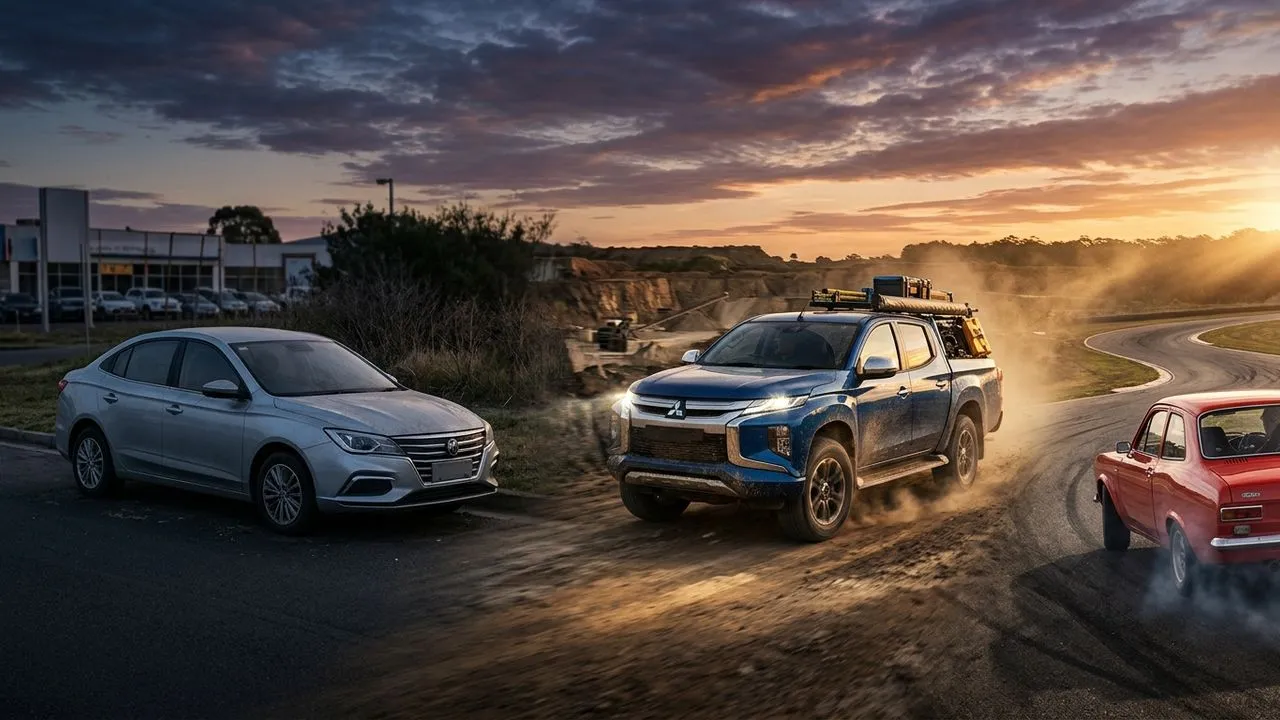
Look across the global automotive ledger this Monday morning, and you will see accountants armed with red pens doing battle with the romantic soul of motorsport and affordable motoring alike. On one side of the balance sheet, legacy conglomerates are aggressively severing ties with heritage racing programs to shore up operating margins and dispatching utilitarian workhorses into unexpected international territories. On the other, pure mechanical grit refuses to be relegated to history, asserting its dominance everywhere from the grand prix circuits of Europe to the winding tarmac of regional rallying.
It is a day defined by profound contradictions. The quiet demise of bargain-basement family transport sits directly adjacent to bold new commercial expansions, while corporate boardrooms practice ruthless austerity just as racing legends etch their names into eternity.
The Vanishing Budget Sedan: MG Drops the MG 5 Down Under
For decades, the sub-$25,000 compact sedan was the undisputed gateway to modern vehicle ownership. Today, that door edged another inch closer to shutting completely, as CarExpert confirmed that MG is dropping the MG 5 sedan from its Australian showroom roster.
While the compact sedan offered eye-catching sticker prices and sharp styling, it faced an uphill battle from day one against consumer indifference toward traditional three-box silhouettes and intense scrutiny over its ANCAP safety performance. Buyers voted with their wallets, bypassing the budget saloon in droves to finance compact crossovers and dual-cab workhorses instead. Its departure leaves Australia's entry-level market even more barren, reinforcing a global reality: if an affordable passenger car cannot deliver top-tier safety credentials and crossover practicality, automakers simply cannot justify keeping it on the assembly line.
The Ute Gold Rush: Could Honda Tap Mitsubishi for a Triton Twin?
While traditional budget sedans quietly retreat, dual-cab utes continue to print money. In one of the more tantalizing strategic whispers circulating this week, Honda Australia has openly acknowledged the possibility of introducing a ladder-frame ute based on the Mitsubishi Triton platform.
For brand purists who remember Honda purely for rev-happy VTEC screamers and unibody Ridgelines, the notion of a rebadged Triton might sound jarring. But from a commercial perspective, it makes total sense:
* **High-margin territory:** Midsize diesel utes dominate the top spots of regional sales charts, commanding premium prices that easily outstrip standard passenger cars.
* **Strategic alliance leverage:** With Honda and Mitsubishi exploring deeper corporate cooperation alongside Nissan, badge-engineering a proven, rugged platform drastically slashes research and development overhead.
* **Showroom volume:** In truck-obsessed markets like Australia, a capable, dual-range four-wheel drive gives Honda access to lucrative fleet buyers and weekend adventurers it currently cannot reach.
Unconventional Re-entry: Ford Eyes Japan’s Commercial Backbone
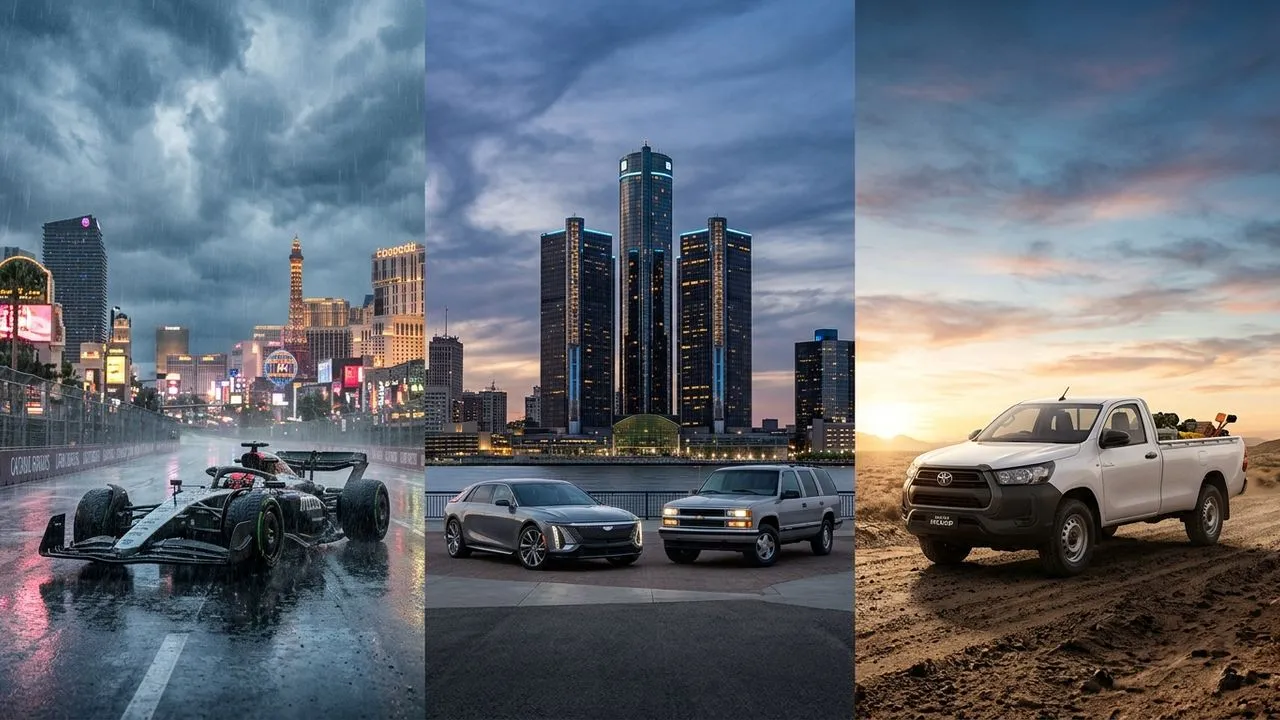
Over in East Asia, Ford is staging an audacious return to Japan after abruptly packing its bags in 2016. However, enthusiasts hoping to see Mustang Dark Horses or Ranger Raptors flooding Tokyo streets will be left wanting. As CarScoops reports, the Blue Oval is returning strictly as a commercial vehicle provider, leaving regular retail consumers on the outside looking in.
By focusing exclusively on heavy-duty commercial vans, electric delivery platforms, and fleet trucks, Ford is neatly sidestepping the fiercely loyal Japanese domestic passenger car market. Instead, it is targeting corporate delivery giants and logistics firms hungry for electrification and heavy payload capacity. It is a pragmatic, zero-romance business play that trades showroom glamour for guaranteed fleet contracts—a blueprint we expect more Western automakers to replicate in challenging foreign markets.
Corporate Austerity Clashes with Trackside Heroics
The tension between boardroom pragmatism and racing passion reached a fever pitch today. Reports out of Europe indicate Stellantis is preparing an aggressive, widespread retreat from motorsport, reportedly pulling Peugeot, Citroën, Opel, and Lancia out of high-cost competitive arenas to preserve capital. Tellingly, the only program surviving the corporate axe appears to be Dodge's impending high-visibility return to NASCAR, where direct consumer-to-brand engagement remains demonstrably lucrative.
Yet while corporate suits weigh motorsport on an ROI spreadsheet, the race track delivered pure, unadulterated spectacle over the weekend:
* **Marc Marquez makes MotoGP history:** In an extraordinary display of raw talent and mental resilience, Marc Marquez secured an Agostini-equalling eighth premier-class world championship aboard his factory Ducati, putting the final stamp on what pundits are calling the greatest comeback in two-wheeled racing history.
* **Lewis Bates secures ARC crown:** On the dirt, Toyota Gazoo Racing driver Lewis Bates clinched his second Australian Rally Championship title with a blisteringly consistent display of car control in his GR Yaris AP4.
* **Dodge Viper ACR conquers Targa Tasmania:** Proving there is no replacement for raw, naturally aspirated displacement, a privately campaigned Viper ACR bellowed its way through grueling tarmac stages to secure outright victory on the Apple Isle.
What It Means for Car Enthusiasts
The narrative unfolding across the industry right now is crystal clear: sentimental attachment is dead in the boardroom. Automakers are stripping away loss-leading passenger sedans and prestige racing endeavors that don't directly feed the bottom line, reallocating those vast resources toward commercial fleets, strategic platform partnerships, and highly targeted, high-margin trucks.
Yet, as this weekend's motorsport triumphs vividly demonstrated, the passion driving automotive culture cannot be fully quantified on a spreadsheet. Even as showroom floors lean ever harder into utilitarian fleets and shared platforms, the hunger for high-octane human achievement remains as intoxicating as ever.