BMW iX5 M, Audi TT EV, and the Future of Luxury Cars
The automotive world is experiencing a fascinating shift, where traditional powerhouses are reimagining their legacy with electrification and innovation. This Thursday, June 4, 2026, brings a wave of news that highlights both the challenges and opportunities facing the industry. From high-performance electric SUVs to the rebranding of familiar names, it's clear that manufacturers are adapting to evolving consumer preferences, regulatory demands, and the rapid advancement of electric vehicle technology. The landscape is more dynamic than ever, with companies like BMW, Audi, and Rolls-Royce making bold moves that could redefine what luxury and performance mean in the electric era.
The electric revolution is gaining momentum, but it's not without its complexities. BMW is preparing to challenge the gas-powered X5 M with its upcoming iX5 M, a move that signals the brand's commitment to electrifying its most powerful models. Meanwhile, Audi's new TT successor is taking a different approach by basing its production model on Porsche's 718 Boxster EV, a strategy that leverages existing electric architecture while maintaining the sporty DNA of the iconic TT. These developments are not just about replacing engines—they're about redefining what it means to drive a premium vehicle in the 2020s.
BMW's iX5 M Challenges the Gas X5 M
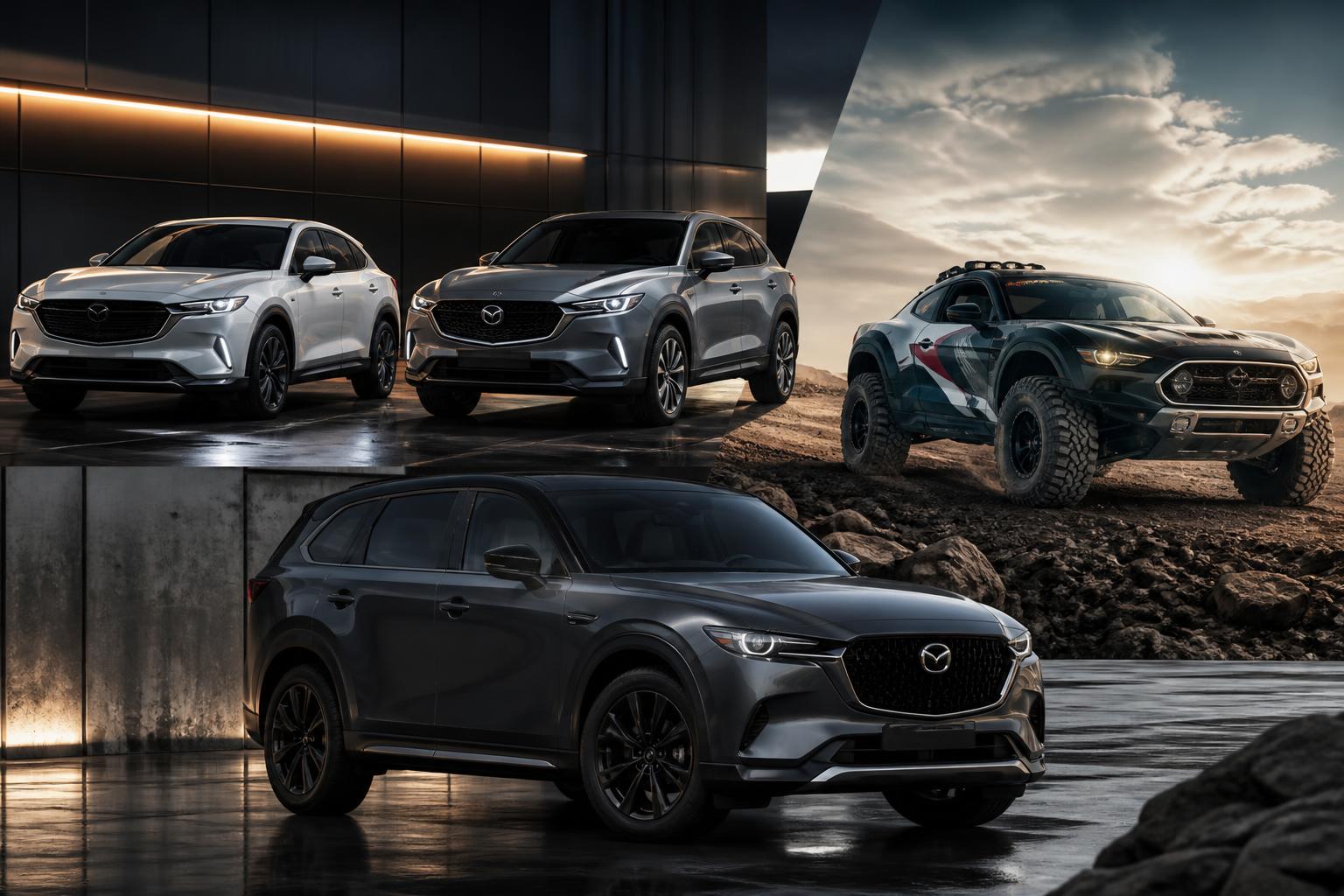
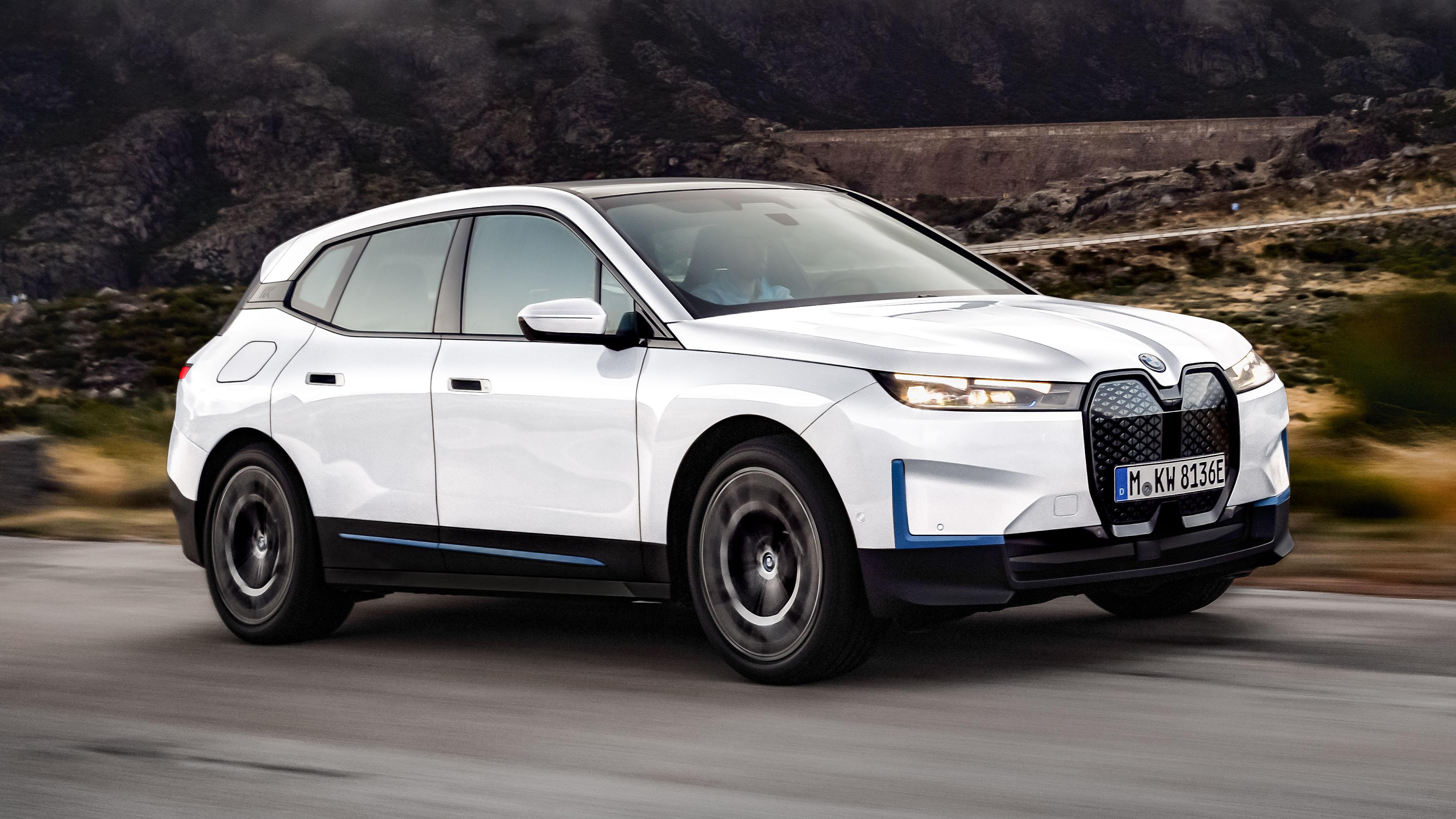
BMW's upcoming iX5 M represents a significant step forward in the electric SUV segment. While the gas-powered X5 M has long been a benchmark for performance and luxury, the electric version promises to offer even more instant torque and refined driving dynamics. The iX5 M is expected to deliver impressive acceleration, potentially surpassing its gas-powered predecessor in key performance metrics. This move reflects BMW's broader strategy to electrify its most popular performance models, ensuring that its customers can still experience the thrill of high-performance driving without compromising on environmental responsibility.
The iX5 M's development also underscores the growing confidence in electric powertrains for high-end vehicles. BMW's engineers have reportedly focused on maximizing efficiency while maintaining the brand's signature driving experience. This includes improvements in battery technology, thermal management systems, and aerodynamics. The electric platform allows for a lower center of gravity, which can enhance handling and stability. As the automotive industry transitions toward electrification, BMW's approach with the iX5 M sets a new standard for how luxury SUVs can be both powerful and sustainable.
Audi TT Successor Goes Electric with Porsche Architecture
Audi's new TT successor is taking an unconventional approach by leveraging the 718 Boxster EV platform, a decision that speaks to the company's strategic thinking in the electric era. This isn't just about sharing platforms—it's about combining Audi's design expertise with Porsche's engineering prowess to create a vehicle that embodies both brands' values. The TT's successor will likely offer the same engaging driving dynamics that made the original so beloved, but with the benefits of electric powertrain technology.
This collaboration between Audi and Porsche is part of a broader industry trend where manufacturers are increasingly sharing electric platforms to reduce development costs and accelerate time-to-market. The 718 Boxster EV platform is already proving its worth in the sports car segment, and Audi's decision to adopt it for the TT successor demonstrates the versatility of modern electric architectures. The result is likely to be a vehicle that combines the agility and performance of a classic sports car with the convenience and efficiency of electric driving.
Luxury Brands Upgrade Their Electric Offerings
Rolls-Royce is making headlines with its 2027 Spectre update, which includes more power and improved range. This upgrade is crucial for maintaining the brand's position in the luxury electric vehicle market, where consumers expect both performance and practicality. The Spectre has already established itself as a pinnacle of luxury in electric form, but the enhancements suggest that Rolls-Royce is listening to customer feedback and adapting to evolving expectations.
The luxury segment is undergoing a transformation, with manufacturers investing heavily in electric technology to meet the demands of affluent consumers. These upgrades are not just about adding more power—they're about ensuring that luxury electric vehicles can compete with traditional luxury cars in terms of performance, comfort, and range. The Spectre's improvements are part of a broader trend where luxury brands are investing in their electric platforms to maintain their premium positioning.
Ford's Sales Struggles and Chrysler's Rebranding
Ford is facing a challenging period with a nearly 14% sales drop, despite offering employee pricing. This downturn highlights the complexities of the automotive market, where timing and consumer expectations play crucial roles. The hybrid lineup's release timing may have coincided with a period of reduced demand, or perhaps consumers are waiting for more compelling electric options before making purchases.
Meanwhile, Chrysler is looking to rebrand its sub-$30K SUVs as Fiat Grizzlies, a move that could be part of a broader strategy to revitalize the brand's image. This rebranding effort suggests that Chrysler is trying to appeal to younger consumers who may be drawn to the Fiat name's association with Italian style and performance. The strategy could pay off if it successfully differentiates the brand in a crowded SUV market.
Industry Trends: Older Cars Stay on the Road
The trend of older vehicles staying on the road longer is creating new opportunities for manufacturers. Ford is targeting repair revenue from this trend, recognizing that customers who keep their vehicles longer will need maintenance and parts. This shift in consumer behavior reflects both economic factors and a growing appreciation for vehicle longevity.
This trend also has implications for the classic car market, where manufacturers like Lada are updating their models with modern safety features and more powerful engines. The Lada Niva, for instance, is finally getting the upgrades that could make it more appealing to modern drivers. These updates demonstrate how manufacturers are adapting to changing consumer preferences while maintaining the core appeal of classic vehicles.
What This Means for Car Enthusiasts
The automotive industry's current trajectory is exciting for car enthusiasts, as it promises more diverse and capable electric vehicles. The competition between traditional performance cars and electric alternatives is driving innovation in both powertrains and driving dynamics. Enthusiasts can look forward to vehicles that offer the thrill of performance while meeting modern environmental standards.
The trend toward electrification also means that more affordable electric vehicles will become available, opening up the electric driving experience to a broader audience. For those who appreciate the craftsmanship and design of luxury brands, the updates to vehicles like the Rolls-Royce Spectre and the Audi TT successor promise to deliver even more refined driving experiences. As manufacturers continue to balance performance with practicality, car enthusiasts can expect vehicles that are both thrilling and sustainable.