BMW X2 Redesign, IndyCar Drama, and EV Innovation: A Week of Automotive Highlights
The automotive world is a stage where innovation, competition, and unexpected twists collide daily, and this Monday, July 6, 2026, is no exception. From Formula 1’s latest milestones to the quiet evolution of electric vehicles in Australia, the industry is showcasing its dynamic nature. As manufacturers pivot toward electrification and racing series deliver thrilling moments, it’s clear that the car world is not just adapting to change—it’s leading it. Whether it’s a nostalgic restomod of a classic Alfa Romeo or a bold new electric cab chassis in the land down under, this week’s headlines offer a compelling look into the industry’s current pulse.
The news landscape is rich with diverse stories, each contributing to the broader narrative of where automotive design, performance, and technology are heading. From a BMW facelift that’s drawing attention for its thoughtful approach to a new electric vehicle platform in Australia, there’s a lot to unpack. Meanwhile, on the racing front, a long-awaited IndyCar victory and a Formula 1 milestone remind us that the thrill of competition remains as vibrant as ever. And let’s not forget the quirky side of the industry—like VW parts becoming a target for thieves or a 1990s-era Suzuki hatch making a comeback with modern tech. It’s a week that perfectly encapsulates the industry’s blend of tradition and transformation.
BMW’s X2: A Facelift with Purpose
BMW is taking a calculated step with its 2028 X2 redesign, and the move is more strategic than it might appear at first glance. The changes are reminiscent of the X1’s recent facelift, which has been widely praised for its updated styling and improved aerodynamics. However, BMW has wisely skipped the less appealing angles that marred the X1’s transformation, suggesting a more refined approach to the brand’s SUV lineup. This decision could signal BMW’s intention to maintain a competitive edge in the increasingly crowded compact SUV market. The redesign doesn’t just aim to refresh the look—it’s about enhancing the vehicle’s appeal to a generation of buyers who value both form and function. With the X2’s positioning in the premium segment, this update could help BMW retain its foothold in a market where every detail counts.
IndyCar’s 1-2 Finish: A Moment of Glory for Arrow McLaren
In a thrilling display of racing prowess, Pato O’Ward claimed his first win in 15 races at the IndyCar event, helping Arrow McLaren secure its first 1-2 finish. This moment was more than just a victory—it was a testament to the team’s resilience and tactical brilliance. O’Ward’s win not only ends a long drought for the driver but also boosts the confidence of a team that has been working hard to climb the ranks. The 1-2 finish is a rare and exciting achievement in motorsports, and it underscores the competitive nature of IndyCar. For fans, it’s a reminder that in racing, persistence and timing can lead to unforgettable moments. As the season progresses, such performances could set the tone for a more competitive and dynamic championship.
Ferrari’s Leclerc Milestone: A New Chapter in Formula 1
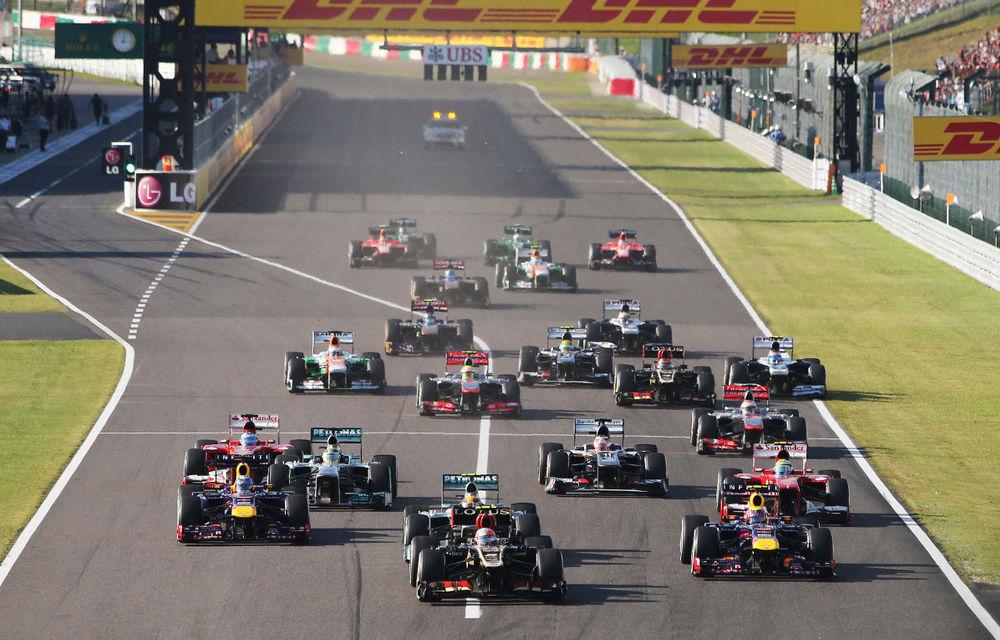
Charles Leclerc’s 250th victory at Silverstone is a milestone that highlights the enduring strength of Ferrari’s Formula 1 program. This achievement is not just a personal triumph for Leclerc but also a reflection of the team’s consistent performance and strategic approach. As Formula 1 continues to evolve with new regulations and technological advancements, Leclerc’s success is a reminder of the importance of adaptability and skill. His record-breaking win adds to the rich history of Ferrari, which has long been a symbol of performance and passion in racing. For the brand, this victory is a reaffirmation of its competitive spirit and its ability to remain at the top of the sport.
EV Innovation in Australia: Farizon’s F3E Cab Chassis
Australia is entering a new era of electric mobility with the launch of Farizon’s F3E electric cab chassis. This development is a significant step forward for the country’s EV infrastructure, especially in urban delivery and logistics. The F3E chassis is designed to be versatile and efficient, offering a modern alternative to traditional diesel vehicles. The launch also signals a growing trend in the global EV market, where manufacturers are tailoring their solutions to meet specific regional needs. For Australia, this could mean a cleaner, more sustainable future for its transportation sector. As the country continues to invest in green technologies, innovations like the F3E chassis could play a pivotal role in shaping its mobility landscape.
Japan’s SUV Shift: Prime Minister Takaichi’s Choice
In a nod to the growing popularity of SUVs, Japan’s Prime Minister Sanae Takaichi has chosen a luxury Toyota SUV over a traditional limousine. This decision is symbolic of a broader cultural shift in Japan, where SUVs are increasingly seen as a status symbol and a practical choice for both personal and official use. The trend is not limited to Japan; it’s a global phenomenon, with manufacturers like Toyota, Honda, and Nissan investing heavily in the SUV segment. This choice by Takaichi reflects the changing preferences of high-profile individuals and underscores the SUV’s role in modern transportation. As more nations embrace SUVs, the segment is becoming a key driver of automotive innovation and sales.
The Electric Range Rover Sport PHEV: A Subtle Evolution
The 2026 Range Rover Sport PHEV is a refined and understated evolution of its predecessor. While it doesn’t make a dramatic visual statement, the vehicle’s updated hybrid system offers improved efficiency and performance. This subtle upgrade is in line with the luxury SUV market’s trend of focusing on sustainability without compromising on comfort or power. The PHEV’s performance is well-suited for those who want the versatility of an SUV with the environmental benefits of electric technology. As manufacturers continue to balance performance and sustainability, the Range Rover Sport PHEV serves as a model for how luxury can be redefined in the EV era.
VW Parts Theft: A Growing Concern in the EV Era
An unexpected but concerning trend has emerged in the EV sector: thieves targeting VW parts due to their high-value coding requirements. This issue highlights the growing complexity of modern vehicles, especially in the EV space, where components like battery modules and control units are not only expensive but also highly coded. As automakers continue to integrate advanced technologies, the risk of theft and fraud increases. This situation is a wake-up call for the industry to strengthen security measures and ensure that the benefits of innovation are not overshadowed by vulnerabilities. The case of VW parts theft is a reminder that the future of automotive technology must also include robust security frameworks.
Nostalgia Meets Innovation: Alfa Romeo and Suzuki
On a more nostalgic note, Alfa Romeo’s last Busso V6 coupe is receiving a digital restomod treatment, bridging the gap between classic design and modern technology. This restomod project is a tribute to the brand’s heritage and a nod to the growing interest in vintage automotive aesthetics. Meanwhile, Suzuki’s 657cc turbo kei hatch showcases the creativity of Japanese engineering from the 1990s, reimagined with modern components. These projects remind us that the automotive world is not just about the future—it’s also about honoring the past and reimagining it for new generations. As enthusiasts and manufacturers alike celebrate these innovations, the industry continues to find new ways to connect with its roots while pushing the boundaries of what’s possible.
Industry Context and Analysis: A Shift Toward Sustainability and Performance
The week’s automotive news reflects a broader industry trend toward sustainability, performance, and innovation. The EV launches, such as Farizon’s F3E and the Range Rover Sport PHEV, signal a growing commitment to reducing carbon footprints while maintaining vehicle quality. At the same time, the racing highlights—like O’Ward’s win and Leclerc’s milestone—demonstrate the industry’s continued passion for competition and excellence. The shift in consumer preferences, exemplified by Japan’s SUV adoption and the popularity of restomods, shows that the market is becoming more diverse and dynamic. As manufacturers adapt to these changes, the automotive landscape is evolving into a space where tradition and innovation coexist.
What This Means for Car Enthusiasts
For car enthusiasts, this week’s developments are a reminder that the automotive world is constantly evolving. Whether it’s a BMW facelift, a Formula 1 victory, or a new electric vehicle platform, there’s always something exciting to look forward to. The industry’s move toward sustainability and performance is not just about technology—it’s about enhancing the driving experience. Enthusiasts can expect more refined vehicles, more competitive racing, and a growing array of options that cater to both practicality and passion. As we continue to navigate this exciting phase of automotive history, one thing is clear: the future is bright, and the journey is just beginning.