Cadillac XT5 vs. China’s Future: GM Privacy Scandal and the Evolution of Supercars
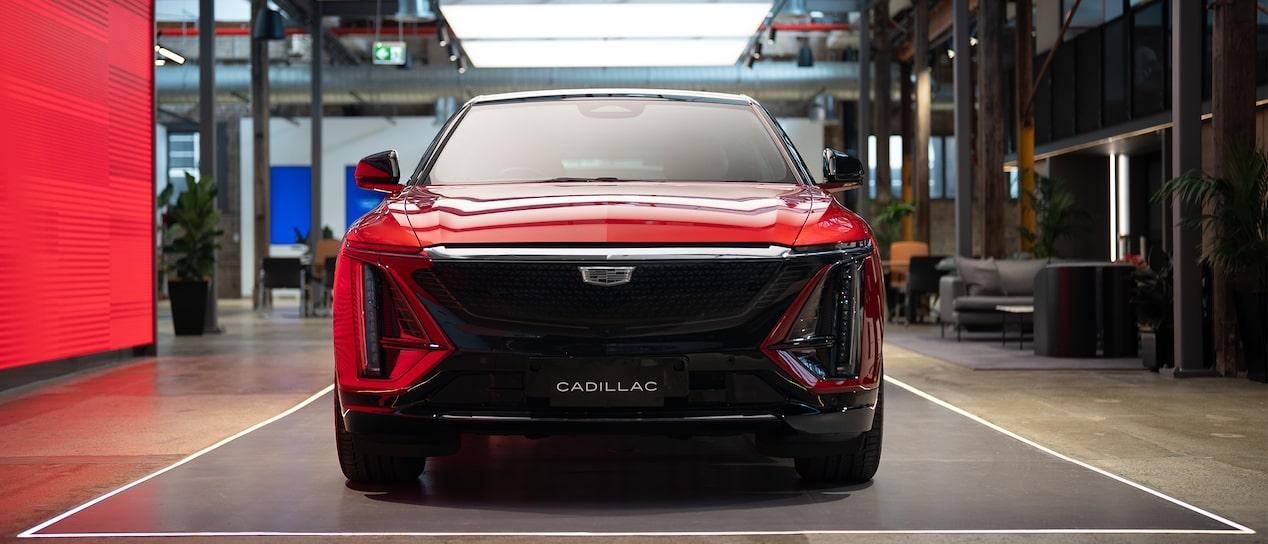
The automotive world is a strange place these days—where a 2016 Cadillac XT5 still sits on the lot in America, while China’s automakers are already preparing for a future that includes lidar and plug-in hybrids. It’s a split vision of progress, where some brands are stuck in the past while others are racing toward a future that’s both electric and smart. This week’s headlines reveal a complex web of regulatory challenges, shifting consumer tastes, and bold design moves that speak to the industry’s evolving identity. From data privacy concerns to the resurgence of the V8, today’s news shows that the car industry is not just about the mechanics under the hood—it’s also about how brands tell their story and how they navigate the tricky waters of global expectations.
The Global Divide: Cadillac XT5 vs. China’s Next Gen Model
While America continues to rely on the aging Cadillac XT5, Chinese automakers are already rolling out second-generation models that feature lidar sensors and plug-in hybrid technology. This isn’t just a difference in timing—it’s a divergence in strategy. China’s approach is clearly aimed at a future where autonomous driving and hybrid powertrains are standard, while American brands like Cadillac seem to be holding back. It’s a telling sign of how the global automotive landscape is shifting, with China leading the charge in innovation and adoption of new technologies. The contrast isn’t just technological—it’s cultural, as automakers in the East are embracing change faster than their Western counterparts.
GM Faces California Scrutiny Over OnStar Data Sharing
General Motors is under fire in California after settling a $12.75 million lawsuit over unauthorized data sharing with insurance brokers. The OnStar system, which has long been a selling point for GM vehicles, was found to be sharing driver data in ways that weren’t fully disclosed to consumers. This case highlights the growing importance of data privacy in the automotive sector, especially as vehicles become more connected and generate more data. It also raises questions about how automakers balance the benefits of data-driven services with the need to protect user privacy. As vehicles become smarter, the line between convenience and intrusion becomes increasingly blurred.
Lotus Shifts Course: From EV Plans to Hybrid V8 Supercar
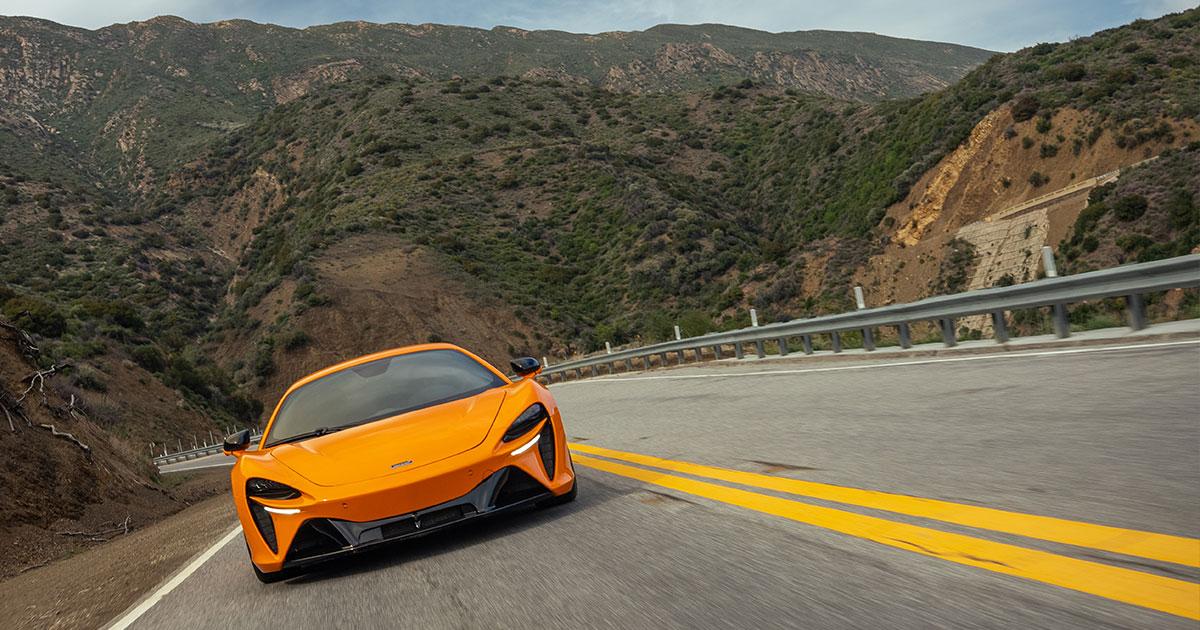
Lotus, known for its lightweight, high-performance vehicles, is pulling back from its all-electric ambitions and preparing to launch a hybrid V8 supercar in 2028. This move signals a broader trend in the industry, where performance and sustainability are being redefined. While many manufacturers are rushing to electrify their lineups, Lotus is taking a more measured approach—combining the thrill of a powerful V8 with the efficiency of hybrid technology. It’s a smart move that could appeal to enthusiasts who still crave the raw power of internal combustion engines, even as the industry moves toward electrification.
EV Sector Mixed Signals: VW’s ID. Era 5S Falls Short of Claims
The electric vehicle market is showing signs of strain, with VW’s ID. Era 5S sedan failing to meet its promised electric range. This is a reminder that not all EVs are created equal, and consumers are becoming more discerning about what they’re paying for. While the EV sector continues to grow, it’s also facing challenges in delivering on its promises. Range anxiety remains a real issue, and as automakers make bold claims, they must also back them up with real-world performance. The EV revolution is still in its early stages, and companies like VW need to be more transparent about what their vehicles can actually do.
Subaru’s STI Trademarking and the Coupé Concept
Subaru continues to build momentum with its trademarking of ACX STI and fresh coupé designs. While the company hasn’t officially confirmed an upcoming model, these developments suggest that the STI line is evolving beyond its current offerings. The coupé concept hints at a more performance-oriented future, possibly with a focus on handling and speed. For fans of the STI brand, these developments are exciting—especially when they come with the promise of a new generation of high-performance vehicles.
Lamborghini’s Revuelto NA63: National Pride Meets Global Appeal
Lamborghini’s Revuelto NA63 is making a bold statement with its American and Canadian flag-inspired liveries. This isn’t just about aesthetics—it’s a strategic move to connect with global markets while celebrating national pride. Automakers are increasingly using design and marketing to tell a story, and Lamborghini is doing it with flair. The Revuelto NA63 represents a new era for the brand, where performance and identity are merged into one powerful statement.
What This All Means for Car Enthusiasts
Today’s automotive news is a reminder that the industry is in a state of flux. While some brands are embracing the future, others are holding onto the past—sometimes in ways that are both nostalgic and problematic. For car enthusiasts, this means more choices, more challenges, and more reasons to stay engaged with the industry. Whether it’s the promise of a new hybrid supercar, the privacy concerns of connected vehicles, or the evolving standards of EV performance, there’s a lot to watch and learn. The car industry is no longer just about the drive—it’s about the journey, the stories, and the decisions that shape what we drive tomorrow.