Clarkson's Cancer Diagnosis, Night Racing, and Tesla's Cybercab: What's Shaking Up the Auto World
The automotive world has been buzzing with a mix of personal revelations, technological breakthroughs, and strategic moves this week, and Thursday, June 18, 2026, is no exception. From a high-profile health disclosure by one of the industry’s most recognizable figures to a bold new twist on motorsport, the day’s headlines are as diverse as they are impactful. It’s a reminder that the auto industry isn’t just about cars and technology—it’s also about people, passion, and the stories that make us care. Whether you're a gearhead, a tech enthusiast, or just someone who follows the sports car world, there’s something here that’s sure to spark your curiosity.
The week’s biggest news, however, isn’t just about the cars—it’s about the people behind the scenes. Jeremy Clarkson, the man who helped define automotive culture for generations, has revealed he’s been diagnosed with aggressive prostate cancer. The revelation, shared openly and with characteristic honesty, has prompted an outpouring of support from fans and fellow automotive figures alike. While this is a deeply personal moment, it also highlights the human side of the industry and how even the most iconic personalities are not immune to life’s challenges. For fans of Clarkson’s work, especially on shows like Top Gear, this news is a sobering reminder that the passion we see on screen is often matched by the personal battles people face off-screen.
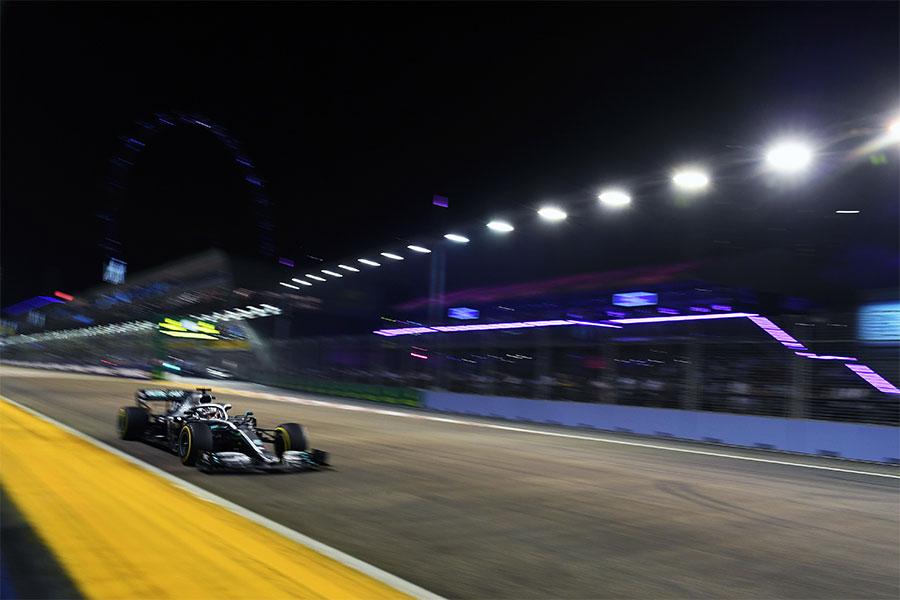
Meanwhile, the motorsport world is preparing for a major change in Australia. The Darwin Triple Crown, a major event in the country’s racing calendar, is planning to introduce night racing in 2027. This move could be a game-changer for motorsport, not just in Australia but globally, as it brings a new visual and atmospheric element to the sport. With increased visibility and lighting technology, night racing could attract new audiences and bring a fresh energy to events that have long been defined by daylight.
Jeremy Clarkson’s Cancer Diagnosis: A Personal Moment in the Automotive Spotlight
Jeremy Clarkson’s recent announcement about his cancer diagnosis has drawn massive attention, not just from automotive fans but from the broader public. While his career has often been defined by controversy and bold commentary, his openness about this personal battle has added a new layer of depth to his public persona. For many, Clarkson’s presence in the automotive world has been a constant, but this moment forces us to reflect on how much more than just cars he represents. His diagnosis serves as a powerful reminder that behind the headlines, the racing, and the reviews, there are real people with real struggles.
This is also a moment that underscores the importance of mental health and personal resilience in the high-pressure world of motorsport and media. As we continue to follow his journey, it’s clear that Clarkson’s legacy extends beyond the track or the studio—his courage in facing this challenge head-on is something that resonates far beyond the automotive industry.
NASCAR's Jesse Love Signs with Wood Brothers, Casting Doubt on Adelaide Plans
In the world of NASCAR, another major shift is underway. Jesse Love, a standout talent in the sport, has signed with the Wood Brothers Racing team. This move raises questions about his participation in the Adelaide 500, a major event in the Australian racing calendar. While Love’s career trajectory has been impressive, his decision to step into a new team could signal a strategic pivot in his racing future.
The Wood Brothers, with their rich history and legacy in NASCAR, are known for their commitment to excellence and innovation. If Love is indeed moving into this team, it could be a sign that he’s looking to build a long-term career in the sport, rather than just chasing short-term gains. For fans of the Adelaide 500, this development could mean a fresh dynamic in the field, with new strategies and team dynamics at play.
Darwin Triple Crown Adds Night Racing in 2027
Australia’s motorsport calendar is getting a new twist with the Darwin Triple Crown’s announcement that it will introduce night racing in 2027. This is a major step for the event, which has long been known for its high-octane racing under the sun. Adding night racing not only changes the visual appeal but also introduces new technical challenges and opportunities for teams and spectators alike.
Night racing has been gaining popularity in other motorsport events around the world, and this move by the Darwin Triple Crown could be a sign of broader trends in how motorsport is evolving. With better lighting technology and a growing interest in immersive experiences, night races are not just about visibility—they’re about creating a new kind of spectacle that attracts both traditional fans and new audiences.
Tesla's Cybercab: A Lightweight Revolution in Robotaxis
Tesla’s Cybercab is making waves with its lightweight design and impressive efficiency. This vehicle, designed to be a fully autonomous robotaxi, is a bold step in the direction of self-driving technology. With its sleek design and focus on efficiency, the Cybercab could be a game-changer in the robotaxi space, especially as companies like Uber and Stellantis are investing heavily in autonomous driving.
The Cybercab’s lightweight construction and aerodynamic profile are designed to reduce energy consumption, which is crucial for the success of autonomous vehicles in urban environments. This innovation reflects Tesla’s broader push to make electric vehicles more efficient and accessible, while also staying true to its vision of a future where self-driving technology is the norm.
Rolls-Royce's Black Badge Ghost: A Tribute to Racing Legacy
Rolls-Royce is celebrating its rich racing heritage with the Black Badge Ghost, a vehicle inspired by Charles Rolls’ historic 1906 victory. This car is more than just a luxury vehicle—it’s a tribute to the brand’s legacy and its deep connection to motorsport. The Black Badge Ghost combines Rolls-Royce’s signature craftsmanship with a bold, racing-inspired aesthetic that pays homage to the brand’s early days.
For luxury car enthusiasts, this vehicle represents the perfect blend of tradition and innovation. It’s a reminder that even in the age of electric vehicles and autonomous driving, there’s still a place for vehicles that are designed to be driven, not just admired. The Black Badge Ghost is a celebration of the brand’s past while looking toward its future.
Kia's High Roof Carnival and Chery's Stockman: New Players in the Truck Market
In the truck segment, Kia is launching the High Roof Carnival, a vehicle specifically designed to accommodate taller drivers. This move reflects a growing trend in the automotive industry to cater to diverse body types and driving preferences. The High Roof Carnival is not just a vehicle—it’s a statement about inclusivity and comfort in a segment that’s often overlooked in terms of accessibility.
Meanwhile, Chery’s upcoming Stockman pickup is set to challenge Suzuki’s naming rights in the truck market. With its rugged design and competitive pricing, the Stockman is positioned to attract a new generation of truck buyers who are looking for both performance and value. This development highlights the ongoing evolution of the pickup truck segment, where innovation and branding are key differentiators.
Corvette ZR1 Paint Issues and the Slate EV Truck's Price Point
Corvette ZR1 owners are reporting paint issues under the rear wing at high speeds, which could be a significant concern for those who push their vehicles to the limit. While this is a relatively minor issue, it’s a reminder that even the most high-performance vehicles are not immune to design flaws. The ZR1’s reputation as a track-focused machine means that any issues, no matter how small, can have a major impact on owner satisfaction.
On the other side of the spectrum, the Slate EV truck is reportedly set to go on sale for $24,950, a price point that could undercut Ford’s offerings in the electric truck market. This aggressive pricing strategy is a sign of how quickly the EV space is evolving, and how new players are entering the market with competitive models. For consumers, this means more choices and better value, but for established players, it means increased pressure to innovate and compete.
The Bigger Picture: What This Means for the Future of Automotive
These developments paint a picture of an industry in constant flux. From personal stories to technological advances, the automotive world is a complex ecosystem where individual moments can have global implications. Whether it’s a cancer diagnosis that humanizes a media icon, a new night racing event that changes the way we watch motorsport, or a robotaxi that could redefine urban travel, these stories are all part of a larger narrative.
The industry’s future is shaped not just by innovation and engineering, but by the people behind the scenes, the stories they tell, and the choices they make. As we continue to see shifts in everything from racing to luxury vehicles to electric trucks, one thing is clear: the automotive world is more dynamic and unpredictable than ever before. For car enthusiasts, this means that every week brings new surprises, new challenges, and new opportunities to engage with the world of cars.
Looking Ahead: What’s Next for the Automotive Industry
The automotive landscape is shifting rapidly, and this week’s news is just a snapshot of what’s coming. As companies like Tesla, Stellantis, and Uber continue to push the boundaries of what’s possible, the industry is moving toward a future that’s more connected, efficient, and accessible. The rise of electric vehicles, autonomous driving, and new racing formats all point to a transformation that’s still in its early stages.
For enthusiasts, this is an exciting time to be involved in the automotive world. Whether you’re a fan of classic cars, a tech enthusiast, or someone who simply loves to watch the races, there’s something here for everyone. The industry’s evolution is not just about the cars themselves—it’s about how we interact with them, how we experience them, and how we shape the future of transportation.