Cupra's Extreme Leon, Hyundai's Towing Tangle, and the Electric EV Evolution
The automotive world is a fascinating blend of innovation, tradition, and the occasional unexpected twist, and Tuesday, June 30, 2026, is no exception. From high-performance machines pushing the limits of speed and engineering to manufacturers navigating the complex landscape of electrification and recalls, the day’s headlines paint a vivid picture of an industry in constant motion. Whether it’s a Spanish brand testing the Nürburgring with a 321-hp hot hatch or a Korean automaker temporarily restricting towing capacity on its latest hybrid, there’s a lot happening that reflects both the excitement and the challenges of today’s automotive environment. Meanwhile, electric vehicle strategies are taking shape in new and surprising ways, with models like the MG 07 making their debut in China while export plans remain shrouded in mystery. It's a day that reminds us just how dynamic and ever-evolving the automotive world truly is.
Cupra's Leon VZ TCR Hits 321 hp, Ready for Nürburgring Glory
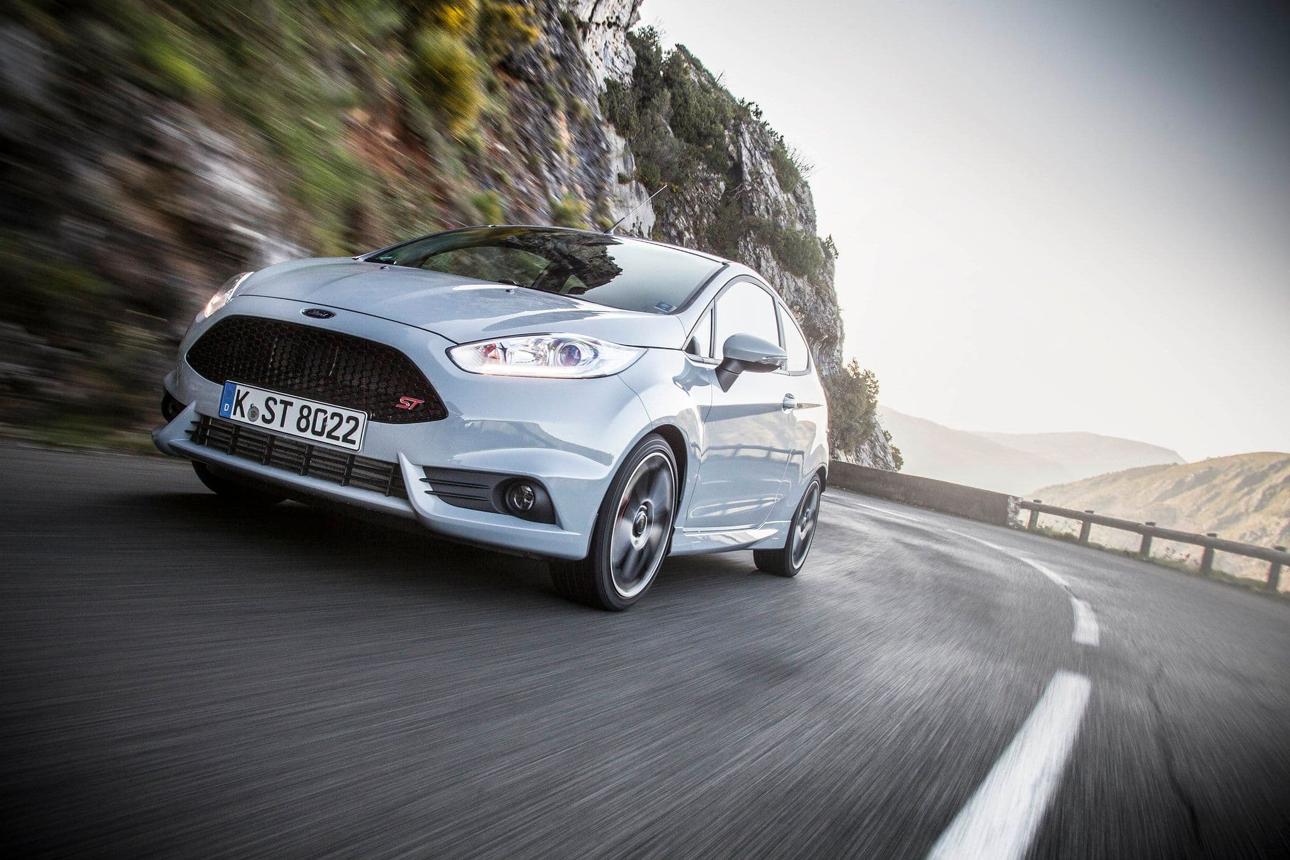
Cupra’s latest offering, the Leon VZ TCR, is making waves with its impressive 321-horsepower output, designed specifically to tackle the legendary Nürburgring. This hot hatch isn’t just about speed—it’s about pushing the boundaries of what a compact car can achieve on a track. The TCR variant, derived from the brand’s motorsport heritage, is a testament to how manufacturers are leveraging their racing knowledge to create street-legal machines that deliver track-like performance. While it may not be available for everyday drivers, its existence signals a growing trend in the automotive world: the desire to bring high-performance elements directly to the consumer market. For enthusiasts, this is a reminder that even the smallest brands can make a big impact when they focus on precision engineering and performance.
Hyundai Staria Hybrid Faces Temporary Towing Limitations
Hyundai’s Staria hybrid has been making headlines for its impressive powertrain, but it’s also caught in a bit of a bind. While the vehicle has been lauded for its efficiency, it’s currently facing a temporary towing limitation. This issue highlights a common challenge in the transition to hybrid and electric powertrains: the complexity of balancing performance with safety and practicality. While the Staria’s hybrid system offers impressive fuel economy and reduced emissions, the temporary restriction on towing capacity raises questions about how automakers are planning for real-world usage. It’s a reminder that even the most advanced technology must be carefully integrated into vehicles to ensure they meet the demands of everyday users.
MG 07 Electric and PHEV Wagon Makes China Debut
In China, the MG 07 electric and PHEV wagon is making its debut, though export plans remain uncertain. The vehicle is part of MG’s broader strategy to expand its presence in the electric vehicle market, particularly in key regions like China where demand is high. However, the lack of clear export plans raises questions about whether this model will reach global markets or remain a regional phenomenon. The MG 07’s arrival signals that manufacturers are increasingly focusing on localized strategies, tailoring their EV offerings to meet regional preferences and regulations. This approach could become a model for other automakers looking to expand their electric vehicle footprint.
Ford's Quality Turnaround and Preventive Measures
Ford’s journey toward quality improvement is a compelling story of perseverance and strategic evolution. CEO Jim Farley admitted that it took four years to resolve long-standing issues, but the company is now focusing on preventive measures to avoid future problems. This shift in approach shows a maturity in Ford’s management and a deeper understanding of the importance of reliability in an increasingly competitive market. For car enthusiasts, Ford’s improved quality is a welcome development, especially as the brand continues to evolve with new technologies and design philosophies. It’s a sign that the company is learning from its past and adapting to meet modern consumer expectations.
Ferrari's Luce Electric Model Finds Strong Interest in China
Ferrari’s Luce electric model is seeing strong demand in China, with 88 units reportedly sold, despite mixed global reception. This interest in China underscores the country’s growing influence in the global automotive market and its appetite for luxury electric vehicles. While the Luce may not be a mainstream model, its success in the Chinese market is a signal of how luxury automakers are adapting to changing consumer preferences. It’s a reminder that even traditional luxury brands must evolve to stay relevant, especially as electric vehicles become more mainstream and accessible.
Recalls and Celebrations: Hyundai Tucson and Nissan Frontier
The automotive landscape also saw a significant recall affecting over 96,000 Hyundai Tucson units due to dashboard display failures. This recall is a stark reminder of the importance of quality control and the need for manufacturers to remain vigilant even after a vehicle is on the market. On a more celebratory note, Nissan is marking the 250th anniversary of the Frontier with a special American flag edition. This celebration not only honors the truck’s legacy but also highlights how iconic models continue to resonate with consumers, even decades after their introduction.
Motorsport and Unexpected Moments
The motorsport world continues to see Australian drivers making waves across Europe, showing that talent knows no boundaries. Meanwhile, a curious incident involving an Amazon delivery driver taking a shortcut through an Indiana lawn has drawn attention and reminded us that the automotive world isn’t just about machines—it’s also about the people who interact with them. These moments, while seemingly unrelated, add a human element to the industry’s narrative and remind us that the world of cars is as much about stories as it is about specifications.
The Future of EVs and Industry Adaptation
The automotive industry is undergoing a significant transformation, driven by the shift toward electrification, evolving consumer preferences, and a growing emphasis on quality and safety. Manufacturers like Cupra, MG, and Ferrari are demonstrating how brands can adapt their strategies to meet the demands of a changing market. From high-performance electric vehicles to hybrid models with temporary limitations, the industry is navigating a complex landscape of innovation, regulation, and consumer expectations. As we move forward, the focus on preventive measures, localized strategies, and global market adaptation will likely define the next chapter in automotive evolution.
What This Means for Car Enthusiasts
For car enthusiasts, today’s developments are a reminder that the automotive world is constantly evolving. Whether it’s a high-performance hatch with 321 hp, a luxury electric vehicle finding success in China, or a recall that highlights the importance of quality, these stories reflect the dynamic nature of the industry. As manufacturers continue to push boundaries with new technologies and design philosophies, enthusiasts can look forward to a future filled with innovation, performance, and unexpected surprises. The key is to stay engaged, stay informed, and keep an eye on the developments that shape our automotive landscape.