Detroit's Chinese Car Ban Paradox and the Electric Revolution: What's Really Shaking Up the Auto Industry
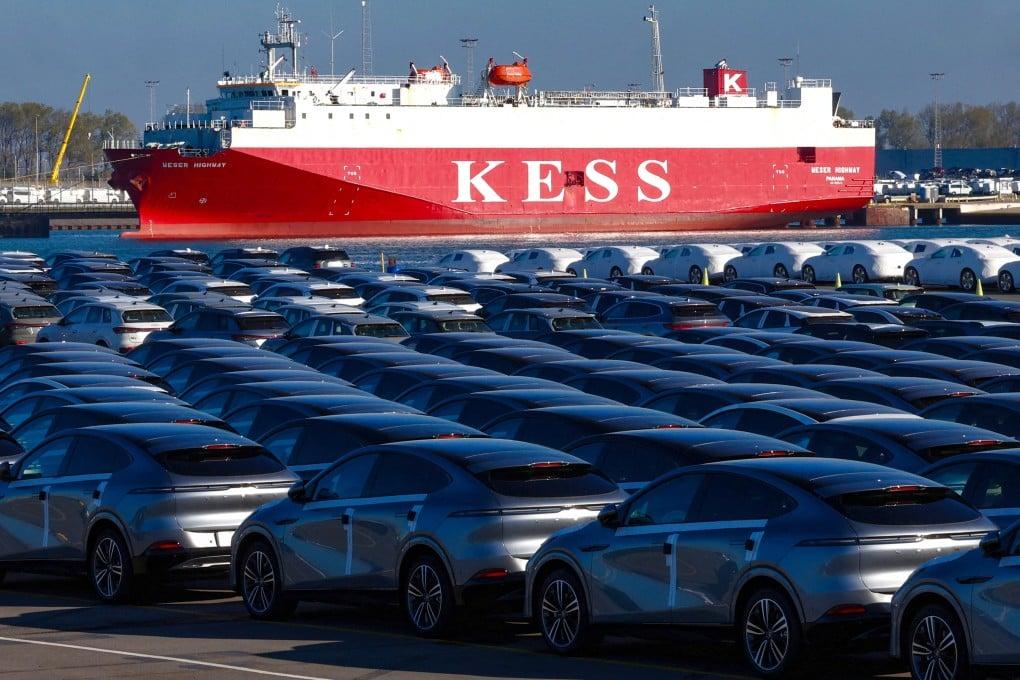
The automotive world is in a strange place this Sunday, May 17, 2026. It's a moment where policy and practicality collide in ways that make headlines and raise eyebrows. Detroit lawmakers are pushing for a ban on Chinese vehicles, yet the very cars they're trying to protect rely heavily on components made in China. It's a paradox that speaks volumes about the globalized nature of modern manufacturing and the challenges of protecting domestic industries in an interconnected world. Meanwhile, Chinese automakers are facing their own internal struggles as rising costs force them to reassess their aggressive pricing strategies. The industry's shifting dynamics are becoming clearer by the day, and it's not just about the cars themselves—it's about how we think about global supply chains, national security, and the future of mobility. What's unfolding is a fascinating glimpse into how automotive decisions are increasingly influenced by factors beyond the engine bay, including geopolitics, economics, and even consumer behavior. The story of the auto industry today isn't just about new models or flashy concepts—it's about the fundamental repositioning of who controls what, where, and how we move.
Detroit's Paradox: Banning Chinese Cars While Relying on Them
The political winds are blowing strongly in Detroit this week, with lawmakers proposing a ban on Chinese vehicles entering the American market. It's a move that seems to come from a place of economic nationalism, but it's also deeply ironic when you consider that Ford, General Motors, and Toyota—three of the biggest names in Detroit—rely heavily on Chinese-made parts for their vehicles. This isn't just a political statement; it's a practical conundrum that reflects the complex web of global manufacturing. It's one thing to advocate for protectionism, but quite another to run a business that depends on foreign supply chains. The irony isn't lost on industry experts, who see this as a symptom of broader tensions in the global economy. What's particularly telling is how this policy shift might impact the availability and pricing of vehicles in the U.S. market. As domestic automakers face pressure to pivot toward more localized production, the ripple effects could be felt across the entire supply chain. The situation highlights how difficult it is to separate economic interests from political rhetoric in today's globalized automotive landscape.
Chinese Automakers Enter Price War Endgame
While American automakers grapple with political and supply chain issues, Chinese manufacturers are facing their own set of challenges. Rising costs of memory chips, raw materials, and oil are forcing Chinese automakers to reconsider their aggressive pricing strategies. This price war, which has been a hallmark of the Chinese automotive market, is entering what analysts are calling its 'endgame.' The economic pressures are forcing a shift from volume-based competition to a more sustainable model focused on value and quality. This isn't just about short-term cost pressures—it's a fundamental reshaping of how Chinese automakers approach their business models. The industry's response to these challenges will likely influence global pricing strategies, as Chinese manufacturers are known for their ability to quickly adapt to market conditions. What's happening in China could set the tone for how the entire automotive industry approaches cost management and pricing in the coming years.
BMW Alpina, Cadillac Escalade IQ, and Mazda's Electric 6: Innovation in the Spotlight
The concept of luxury and performance is evolving rapidly, and this week's news highlights that trend. BMW Alpina's Vision Alpina concept is a bold move that bridges the gap between BMW's mainstream offerings and Rolls-Royce's ultra-luxury segment, embracing a V8 engine as a nod to traditional performance. Meanwhile, Cadillac's electric Escalade IQ is showcasing stunning design but raising questions about practicality and cost. The electric luxury segment is becoming increasingly competitive, with manufacturers trying to balance cutting-edge technology with traditional luxury elements. On a more enthusiast-focused note, Mazda is bringing back the Mazdaspeed 6 with a 536-horsepower electric powertrain, which is a thrilling development for fans of the brand's performance heritage. It's a sign that even traditional performance brands are adapting to the electric revolution while maintaining their core identity. Roush's SEMA 2004 Pontiac G6 is also heading to auction, offering collectors a piece of automotive history. These developments show that the industry is embracing both the future and the past, with manufacturers looking to satisfy different segments of the market.
AI, Automation, and the Future of Automotive Service
The service side of the automotive industry is also seeing significant changes. Robotic tire-changing systems are emerging as a game-changer for service shops, promising to reduce labor costs and improve efficiency. This technological advancement is part of a broader trend toward automation in automotive service, which could reshape how we think about maintenance and repair. AI-driven innovations are also making their way into the industry, from predictive maintenance to autonomous vehicle technology. These developments are not just about convenience—they're about transforming the entire customer experience. The integration of AI and robotics into automotive service is a sign that the industry is preparing for a future where automation plays a more significant role in every aspect of vehicle ownership. It's a shift that will likely affect employment, costs, and the overall accessibility of automotive services.
What This Means for Car Enthusiasts
For car enthusiasts, the developments of this week represent a fascinating intersection of tradition and innovation. The industry's response to global challenges—whether political, economic, or technological—will shape the future of what we drive and how we experience automotive culture. The shift toward electric powertrains, while sometimes controversial, is undeniable, and manufacturers are finding creative ways to maintain performance and excitement while adapting to new realities. The balance between preserving classic performance and embracing new technologies is something that will define the next chapter of automotive history. As we move forward, enthusiasts will need to adapt to a changing landscape that includes more complex supply chains, evolving regulations, and new technologies that promise to make driving more accessible and efficient. The automotive world is in flux, and it's an exciting time to be a part of it.