F1 Drama, Electrification Shifts, and New SUVs: Monday's Automotive Roundup
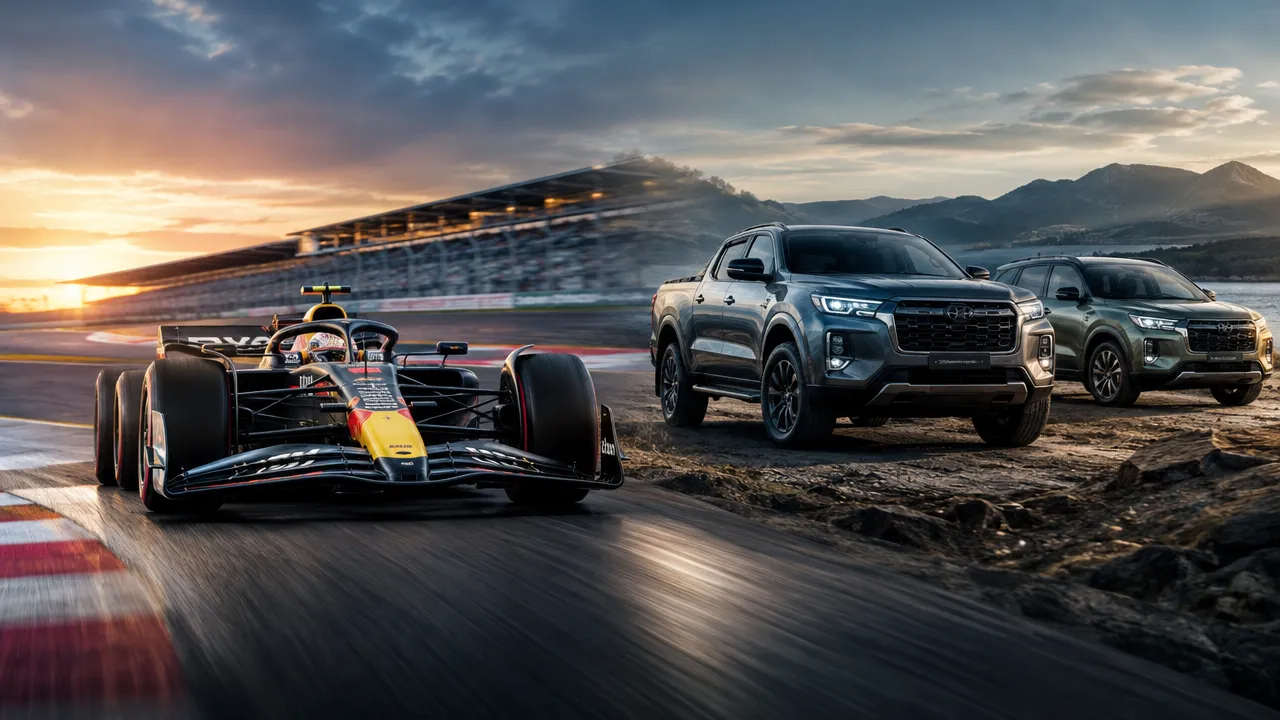
The automotive world is in full swing this Monday, with developments spanning from Formula 1 championship battles to major shifts in how manufacturers approach electrification. As racing heats up and global markets respond to changing consumer demands, the industry is experiencing a wave of transformation that's both exciting and strategically significant. From the high-speed drama of F1 to the quiet revolution happening in truck and SUV segments, today's headlines paint a vivid picture of how automotive dynamics are evolving across continents and competitive landscapes. What's particularly striking is how these developments often intersect—whether it's through shared technology platforms, global supply chain adjustments, or strategic pivots that reflect broader market trends.
F1 Championship Battle Heats Up with Lawson's Strong Showing
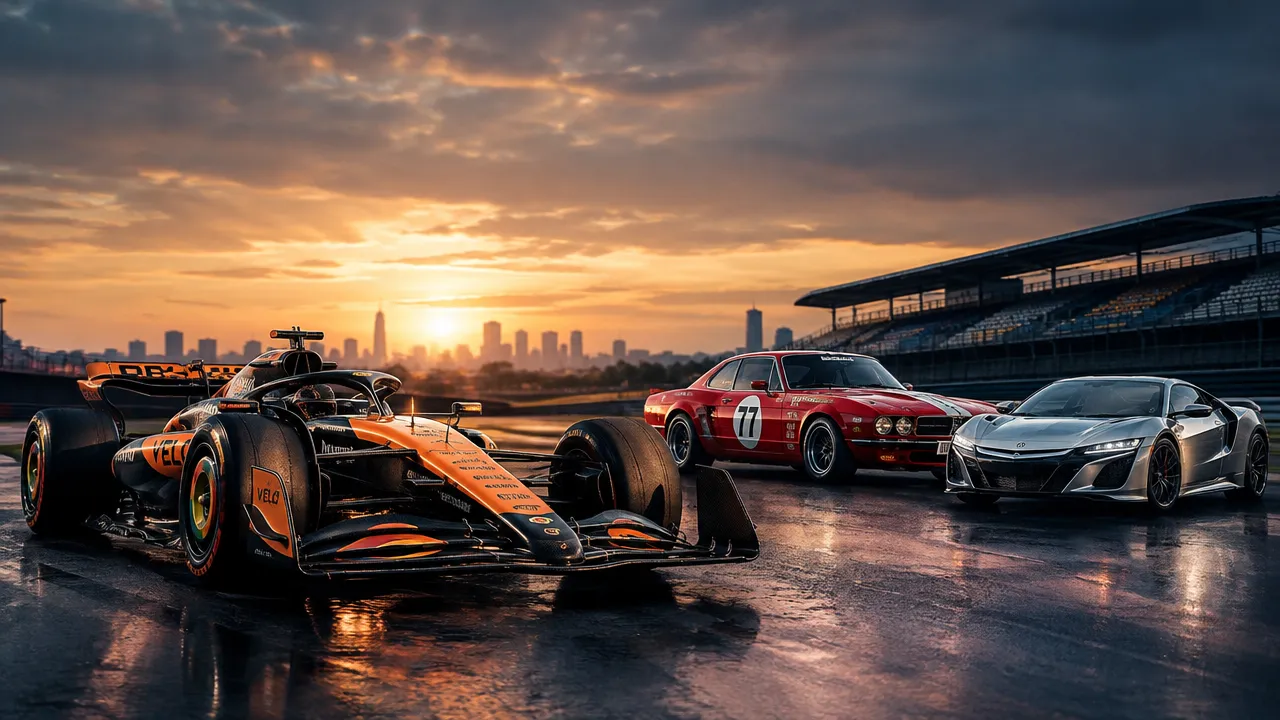
Liam Lawson's impressive performances have solidified Racing Bulls' position in the F1 Constructors' Championship, putting them firmly in contention for fifth place. This isn't just about individual talent—it's a demonstration of how strategic team management and driver development can make or break a season. The battle for that crucial fifth spot is becoming increasingly intense, with every point now potentially deciding the fate of multiple teams' championship aspirations. Lawson's consistent results not only reflect his own growth but also signal a broader shift in F1's competitive landscape, where younger drivers are increasingly making their mark and challenging established names. This kind of performance underscores how the sport continues to evolve beyond just raw speed, incorporating elements of strategy, team chemistry, and adaptability.
Nissan's Strategic Pivot for the Navara Ute Range
Nissan is making a significant move in Australia with its Navara ute lineup, shifting focus from traditional models to a more electrified future. The Pro PHEV version will be arriving alongside other China-sourced models, signaling how global supply chains are reshaping regional automotive markets. This strategic pivot reflects broader industry trends where manufacturers are increasingly relying on shared platforms and technologies across different markets. However, the cancellation of the hardcore Warrior variant raises questions about whether this represents a genuine shift toward electrification or simply a response to changing consumer preferences in Australia's truck segment. The move also highlights how manufacturers must balance heritage models with modern efficiency, especially as regulations around emissions become more stringent.
Electric Vehicle Market Expansion and New Model Announcements
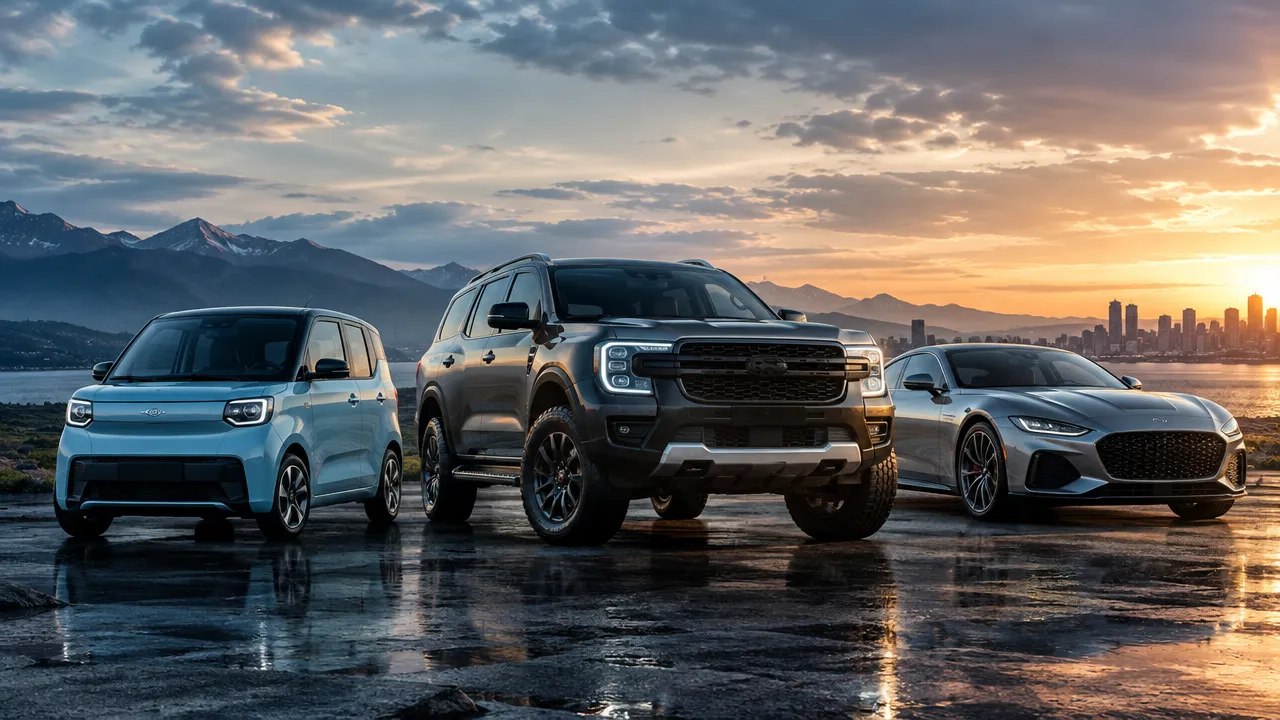
The electric vehicle sector is gaining momentum with several notable launches and announcements that are reshaping the competitive landscape. MG's upcoming 4 EV Urban vs Geely EX2 showdown will likely influence pricing strategies and feature comparisons across the compact EV segment. Meanwhile, Changan's premium Avatr brand debut with the Concept T09 SUV represents a new approach to branding in the electric vehicle space, combining premium positioning with innovative design elements. The Avatr 06T electric wagon slated for 2027 is particularly intriguing as it could be one of the first mainstream electric wagons to enter this market segment. These developments illustrate how manufacturers are expanding their EV portfolios beyond traditional sedans and SUVs, targeting niche segments that were previously underserved by electrification efforts.
Industry Analysis: Supply Chain Integration and Market Adaptation
The automotive industry's response to global challenges is becoming increasingly sophisticated, with manufacturers adapting their strategies based on regional market demands. The integration of China-sourced models into Australian markets shows how supply chain optimization is becoming a competitive advantage. This approach allows manufacturers to reduce costs while maintaining quality standards through shared technologies and components. Additionally, the focus on electrification isn't just about meeting regulatory requirements—it's also about positioning brands for long-term sustainability in an industry that's rapidly transitioning toward alternative powertrains. European manufacturers like Opel are also adapting to changing market dynamics by keeping estate car variants alive with concepts like their STX model, suggesting that there's still a place for traditional body styles in an increasingly electric world.
What This Means for Car Enthusiasts
For car enthusiasts, these developments represent both opportunities and challenges. The increased electrification of vehicle lineups means more options across different price points and performance categories, but also requires adapting to new driving dynamics and charging infrastructure considerations. The F1 developments add an extra layer of excitement for motorsport fans, while the strategic shifts in truck and SUV markets offer fresh perspectives on traditional vehicle segments. As manufacturers balance heritage models with modern efficiency, enthusiasts can expect a more diverse range of choices that reflect both nostalgic appeal and forward-looking innovation. Whether it's watching Liam Lawson's rise in F1 or anticipating new electric models, the automotive landscape is becoming increasingly dynamic for those who love to stay informed about industry trends and developments.