Faraday Future Survives, Lamborghini Gets a Dune Makeover, and More Automotive Oddities
The automotive world keeps spinning with a mix of unexpected turns and familiar trends, and Thursday, July 23, 2026, is no exception. It’s a day where a once-failed electric vehicle startup finds a new lease on life through a reverse stock split and a pivot into robotics, while classic car enthusiasts get a taste of luxury with Land Rover’s new SV Ultra. Meanwhile, the industry’s biggest names are quietly shifting their strategies, from BMW’s exit from traditional auto shows to China’s car sales dropping due to gas prices. And in a lighter moment, a Colorado man’s mistaken identity leads to a $500,000 taxpayer settlement—a reminder that the world of automotive news isn’t just about cars, but also about the people behind the scenes. This week’s headlines are a perfect blend of innovation, tradition, and a dash of absurdity, and they offer a compelling snapshot of where the industry is heading.
Faraday Future Pulls Through With a Robotics Pivot
Faraday Future has managed to stay in the game, announcing a reverse stock split and a surprising shift toward robotics. While it may seem like a drastic move, the company is clearly trying to streamline its operations and focus on a more sustainable path forward. It’s not abandoning vehicles entirely, but rather reimagining its role in the automotive ecosystem. The company’s decision to pivot toward robotics could be a sign of how the industry is evolving—where traditional automakers are exploring new tech frontiers to stay relevant. This kind of strategic realignment isn’t just about survival; it’s about reinvention. It’s a reminder that in the automotive world, even the most unlikely players can find a way to stay in the game, especially when they’re willing to adapt.
Land Rover’s SV Ultra and Jaguar’s Electric Range Rover GT
Land Rover is making headlines with its new SV Ultra, a limited edition 1993 Range Rover companion that’s a nod to the brand’s rich heritage. This isn’t just a car—it’s a celebration of the classic design that made the Range Rover iconic. Meanwhile, Jaguar Land Rover is preparing to unveil its electric Range Rover GT with a new architecture that will eventually support hybrid options. This move signals a clear shift toward electrification, even in the luxury SUV segment. The electric future is no longer a distant dream—it’s here, and it’s being shaped by brands that know how to balance performance, comfort, and innovation. The Range Rover GT is expected to be a game-changer in the electric SUV space, and it’s a testament to how traditional luxury brands are embracing the shift to sustainable powertrains.
BMW Withdraws from Paris Motor Show, Industry Shifts
BMW’s withdrawal from the Paris Motor Show is a telling sign of how the automotive industry is changing. The company is redirecting its efforts toward digital engagement and more targeted marketing strategies, signaling a broader industry realignment. Auto shows, once the crown jewels of automotive marketing, are no longer the only way to showcase innovation. The move reflects a growing trend where automakers are focusing on direct-to-consumer engagement, virtual experiences, and social media to reach their audiences. While this might seem like a loss for traditional show attendees, it’s also an opportunity for the industry to become more agile and responsive to changing consumer behaviors.
China’s Car Sales Decline, U.S. Market Dynamics
In China, car sales are on the decline, not due to electric vehicles, but because of rising gas prices. This is a significant development that highlights the complex interplay between fuel costs, consumer preferences, and market dynamics. Meanwhile, in the U.S., Volvo is successfully challenging a ban on its vehicles, while Polestar is retreating from the American market entirely. These contrasting outcomes reflect the varying regulatory environments and consumer sentiments across different regions. It’s a reminder that the global automotive landscape is more complex than ever, with each market presenting its own set of challenges and opportunities.
Lamborghini’s Dune Makeover and a Legal Absurdity
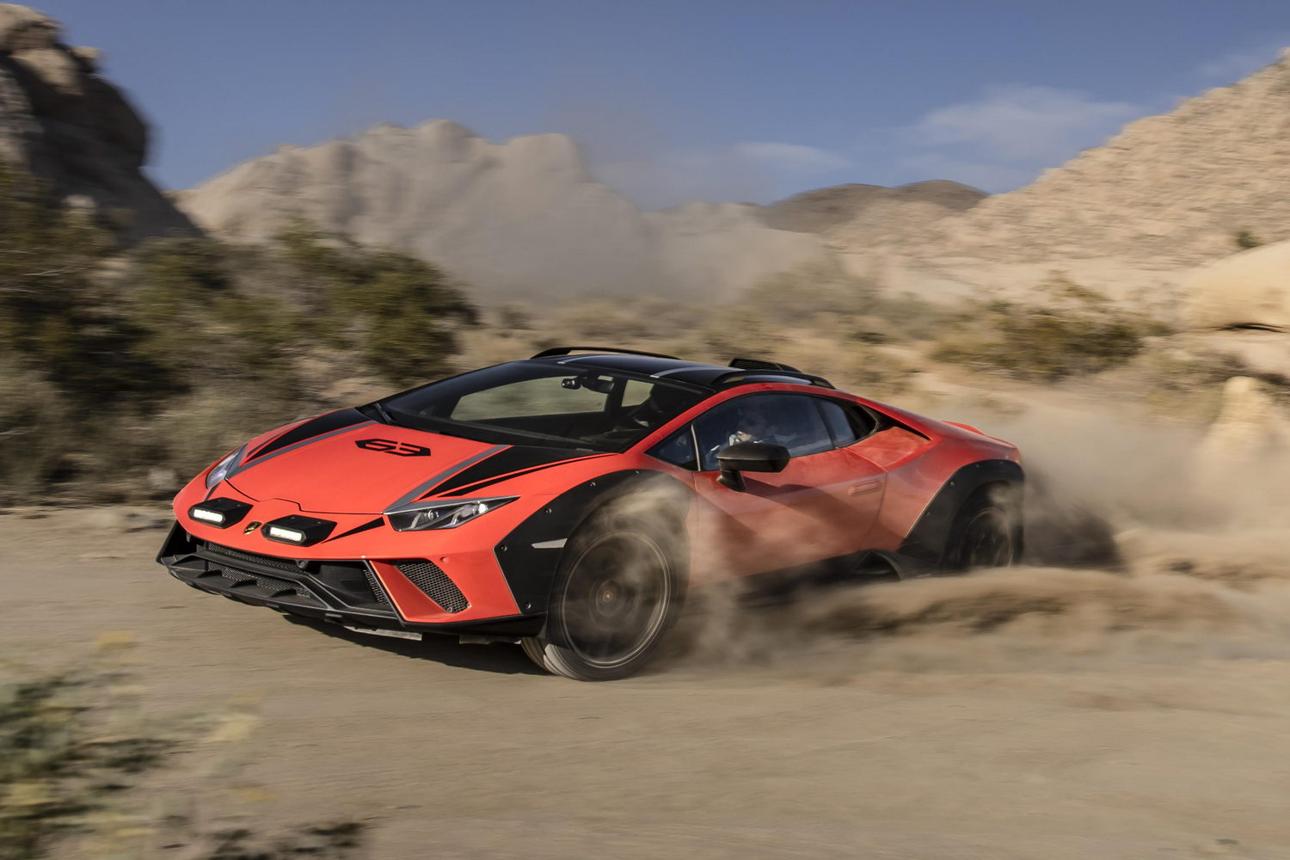
Lamborghini’s V10 Huracan is getting a second life through Rezvani’s Dune, which combines Baja racing aesthetics with the iconic cabin. This is a perfect example of how the automotive world is embracing customization and niche markets. It’s also a reminder that the spirit of automotive innovation isn’t just about high-tech engineering—it’s also about creativity and the love of the machine. On a lighter note, a Colorado man’s mistaken identity led to a $500,000 taxpayer settlement, which is a reminder that the legal system can be just as unpredictable as the automotive industry itself. It’s a moment of levity in a world where everything seems to be changing at once.
What This All Means for Car Enthusiasts
The automotive world is undergoing a major transformation, and these headlines reflect that shift. Whether it’s a startup like Faraday Future redefining its mission, or a luxury brand like Land Rover pushing the boundaries of electrification, enthusiasts are witnessing a dynamic industry that’s constantly evolving. The rise of robotics, the decline of traditional shows, and the shifting global market dynamics are all part of a larger narrative. For car lovers, this means more innovation, more choices, and more surprises. It’s a time of change, but also a time of opportunity for those who are ready to embrace it.