Ferrari Enters the EV Era, Cybertruck Gets Custom Upgrade, and the Future of Driving is Redefined
The automotive world is in a constant state of flux, and today’s headlines are a perfect example of how quickly things can shift—especially when it comes to performance, design, and the very definition of what a car can be. From the most iconic Italian brand embracing electric powertrains to the bold moves by aftermarket companies, we’re witnessing a dramatic reimagining of the driving experience. It’s not just about replacing engines with batteries anymore—it’s about redefining what it means to drive in the 2020s. The convergence of technology, nostalgia, and innovation is creating a landscape where traditional automakers are taking unprecedented risks, while newcomers are making their mark in unexpected ways.
This Tuesday, May 26, 2026, has brought a wave of automotive developments that signal a major turning point. Ferrari, long known for its roaring V12s and timeless design, has officially entered the electric vehicle space with the 2027 Luce, a four-door super sedan that’s as unconventional as it is ambitious. Meanwhile, the EV revolution is sparking new innovations in user interfaces, with Hyundai considering a gear stick for simulated shifts in its electric vehicles. And in the aftermarket world, Unplugged is offering an $18,000 package for the Tesla Cybertruck that adds features Tesla left out of its base model. These developments aren’t just headlines—they’re signs of how the industry is evolving faster than ever.
Ferrari’s Bold Electric Leap with the 2027 Luce
Ferrari’s entry into the electric vehicle market with the 2027 Luce is one of the most significant moves in automotive history. The car, designed by former Apple engineer Mike Rockwell, is a radical departure from traditional Ferrari styling, featuring a sleek, futuristic aesthetic that challenges the brand’s heritage. The Luce isn’t just about electrification—it’s about redefining the luxury EV experience. It’s a statement that even the most iconic automakers are adapting to the future, no matter how much tradition they’ve built their reputation on. This is more than a car; it’s a cultural shift. The Luce represents Ferrari’s attempt to stay relevant in a world where electric performance and design innovation are becoming the new benchmarks.
Hyundai’s Simulated Gear Shifts and the Future of EV Interfaces
While Ferrari is reimagining luxury EVs, Hyundai is rethinking how drivers interact with their electric vehicles. The automaker is reportedly considering the introduction of physical gear sticks in EVs like the Ioniq 5 N and 6, instead of relying on traditional paddle shifters. This approach could be a game-changer for drivers who want a more tactile and engaging experience while driving an electric car. It’s a nod to the tactile feedback that many drivers crave, even as the industry moves toward more digital, software-driven interfaces. The idea of simulated gear shifts is not just about nostalgia—it’s about enhancing the driving experience by giving drivers more control and engagement.
Unplugged’s $18,000 Cybertruck Upgrade Package
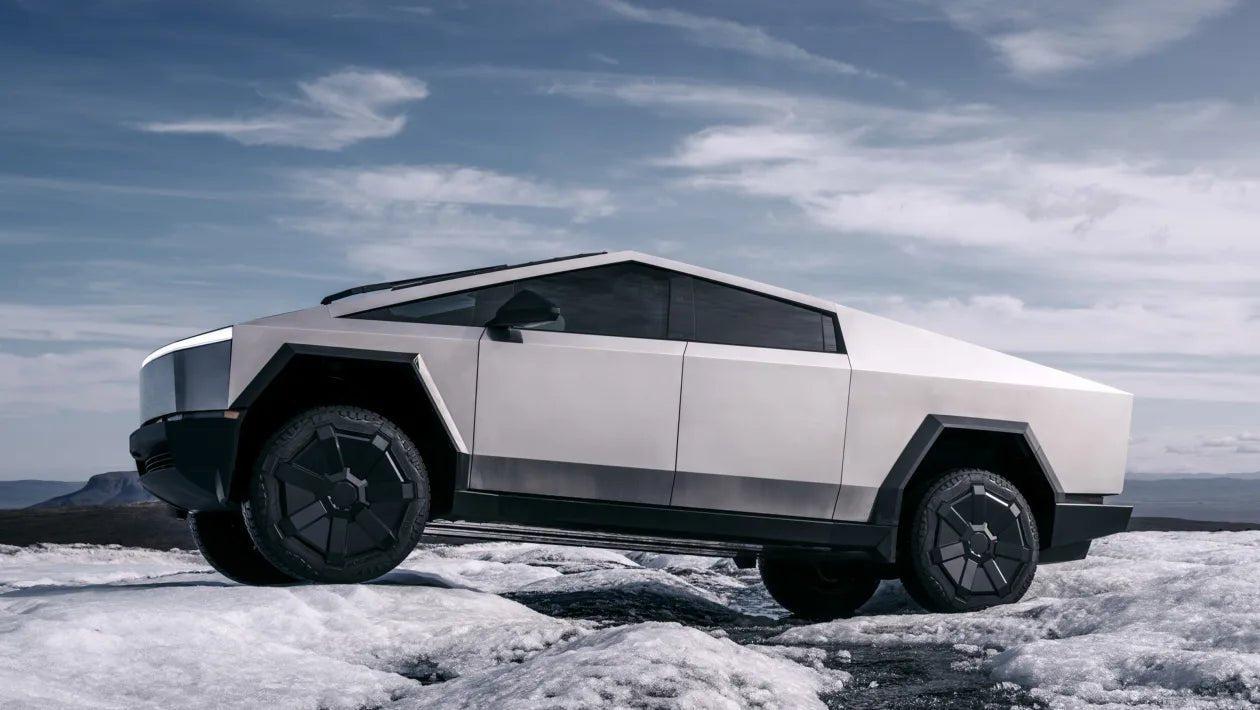
Tesla’s Cybertruck, despite its bold design and impressive capabilities, has left some owners wanting more. Enter Unplugged, a company that’s offering an $18,000 package for the Cybertruck that adds features Tesla omitted from its base model. From upgraded lighting to enhanced interior materials, this package is aimed at addressing the gaps in Tesla’s vision for the truck. It’s a reminder that the aftermarket industry is thriving in the EV space, with companies stepping in to offer solutions that manufacturers sometimes overlook. This move also shows how consumers are increasingly demanding customization and added value, even in the EV era.
BYD, Nissan, and the EV Market’s Next Chapter
As global EV sales stabilize, companies like BYD are working hard to maintain their dominance in the market. The Chinese EV giant is focusing on innovation and strategic expansion to keep its top-three ranking in 2026. Meanwhile, Nissan is taking a page from its Nismo heritage by expanding its classic GT-R restoration program internationally. This move is a testament to the brand’s commitment to preserving its racing legacy, even as it transitions into the electric future. These developments underscore a broader trend in the industry—where brands are not only investing in EV technology but also in preserving their cultural and performance heritage.
The Changing Face of Automotive Innovation
What we’re seeing today is a convergence of several trends that are reshaping the automotive industry. The EV revolution is no longer just about replacing combustion engines with electric motors—it’s about reimagining the entire driving experience. From design and user interfaces to performance and customization, the industry is evolving at a rapid pace. This is especially true for high-end automakers like Ferrari, which are taking bold steps to stay relevant while pushing the boundaries of what an electric car can be. The emergence of companies like Unplugged and the strategic moves by automakers like Hyundai and Nissan are all signs of a maturing market where innovation isn’t just about technology—it’s about understanding and meeting consumer expectations in new and creative ways.
What This Means for Car Enthusiasts
For car enthusiasts, today’s developments are both exciting and thought-provoking. Ferrari’s electric Luce shows that even the most traditional brands are embracing change, and that innovation doesn’t have to come at the cost of heritage. The introduction of simulated gear shifts in EVs is a nod to the driving experience, and aftermarket upgrades like those from Unplugged give owners more control over their vehicles. As the industry evolves, enthusiasts will find themselves at the intersection of performance, technology, and customization. The future of driving is electric, but it’s also personal, and that’s something to look forward to.