Ford, Faraday, and the Future of EVs: What's Really Shaking Up the Automotive World
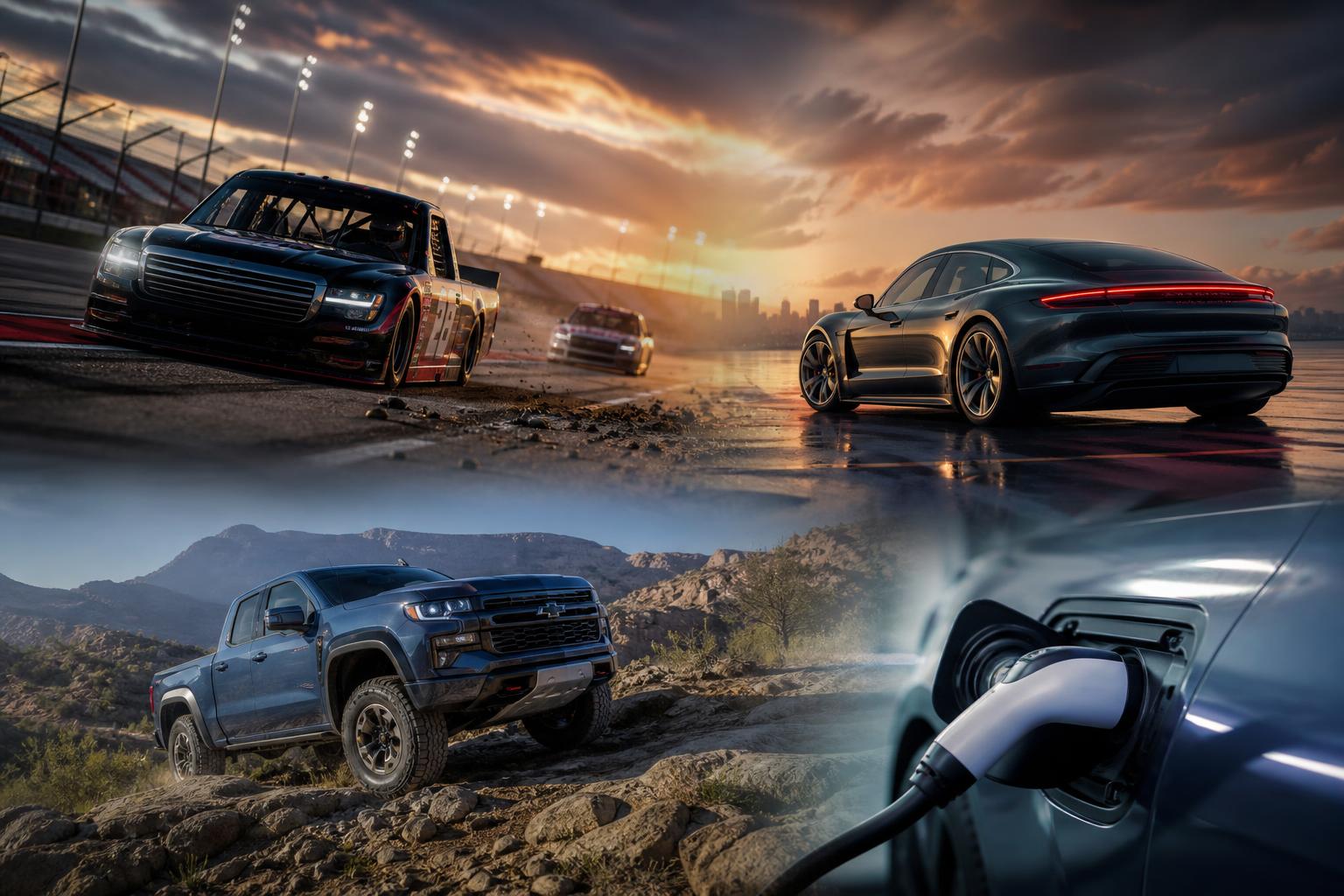
The automotive world is in a state of constant motion, but this week's headlines are especially telling of where the industry is heading. It’s not just about flashy new models or electric breakthroughs anymore—this is about strategic pivots, market positioning, and the growing influence of global players. From a Ford Ranger PHEV undercutting a Chinese rival with drive-away offers to a high-end electric minivan facing delays, the shifts are subtle but significant. The industry is no longer just about who makes the fastest car or the most luxurious interior; it's about who can adapt, innovate, and scale efficiently in an increasingly competitive landscape.
The news this Friday also signals a major shift in how automakers approach market entry, particularly in the U.S. While some are still building their presence from scratch, others are leveraging existing brands and platforms to gain traction. Meanwhile, traditional luxury marques are rethinking their approach to electrification, and even ultra-luxury segments are embracing EVs. It's clear that the automotive ecosystem is evolving beyond the familiar, with new players, new strategies, and new challenges emerging every day.
As we dive into the details, one thing becomes clear: the car industry is no longer just about what's under the hood—it's about what's happening in boardrooms, supply chains, and global markets. From the quiet negotiations between Ford and Geely to the high-stakes auction of a $14 million Pagani, today’s automotive news reflects a complex, interconnected world where every move matters. Let’s take a closer look at what’s really happening.
Ford Ranger PHEV Outprices BYD in the U.S. Plug-In Hybrid Ute Segment
Ford’s Ranger PHEV is making waves in Australia, where it's undercutting BYD’s Shark 6 with strategic drive-away offers in select states. This move isn't just about price—it's about positioning the Ranger as a serious contender in the increasingly competitive plug-in hybrid ute market. While BYD has been gaining ground with its Shark 6, Ford’s approach is more about bundling incentives and leveraging its established dealer network to drive adoption.
The Ranger PHEV’s success in this segment is a clear indicator of how automakers are adapting to changing consumer preferences. Utes are still popular in Australia, and with the growing demand for electric and hybrid options, Ford is smartly capitalizing on that trend. It also shows that even traditional brands aren’t afraid to get aggressive in pricing to gain market share.
Faraday Future’s Super One Minivan Faces Delays Amid Powertrain Rethink
Faraday Future’s Super One minivan, which was once hyped as a revolutionary electric vehicle, is now facing delays due to a powertrain rethink. The company is reportedly reconsidering its approach to the vehicle’s powertrain, which has put its launch timeline on hold. This delay is a reminder that even with high expectations, EV development is complex and fraught with technical and financial challenges.
The Super One was meant to be a bold statement in the electric minivan space, but delays like this could impact its market positioning. It also highlights the pressure on emerging EV companies to deliver on their promises while managing development risks. Faraday Future’s struggle reflects the broader challenges many EV startups face as they navigate the transition from concept to commercial success.
Geely Eyes U.S. Market Entry Through Volvo and Lotus
Geely is making moves that could reshape the U.S. automotive landscape. The Chinese automaker is reportedly eyeing a U.S. market entry through its stakes in Volvo and Lotus. This approach allows Geely to enter the market with established brands, which can help build trust and credibility among American consumers. It also reflects a growing trend of global automakers leveraging existing platforms and brand equity to expand internationally.
This strategy isn’t new—many automakers have used acquisitions and partnerships to enter new markets—but Geely’s approach with Volvo and Lotus is particularly interesting. It shows how global players are thinking strategically about market entry, focusing on brand synergy and platform sharing to reduce risk and increase efficiency.
Ford May Adopt Geely’s EV Platform and Divest Valencia Factory
Ford is reportedly considering adopting Geely’s EV platform, which could be a significant step in the automaker’s electrification strategy. At the same time, Ford is also looking to divest part of its Valencia factory, signaling a shift in how the company is approaching manufacturing. This dual move could help Ford reduce costs and streamline its operations while gaining access to advanced EV technology.
This is a telling sign of how automakers are rethinking their manufacturing and technology strategies. By leveraging platforms from other companies, automakers can accelerate their EV development while minimizing investment. It also shows Ford’s commitment to staying competitive in the EV space, even if it means making tough decisions about its existing facilities.
Maserati and Jaguar: Luxury EVs Take a New Turn
Maserati is attempting to revive its struggling sales with a conservative facelift, while Jaguar finally names its divisive EV concept. Both moves are aimed at repositioning these luxury marques in the face of shifting consumer preferences and increasing competition in the electric vehicle space.
Maserati’s approach is cautious, focusing on refining the existing design rather than reinventing it. Meanwhile, Jaguar’s EV concept is more ambitious, signaling a willingness to push boundaries. These contrasting strategies reflect the challenges luxury brands face as they balance tradition with innovation. For Maserati, it’s about maintaining its identity; for Jaguar, it’s about redefining it.
The EV Revolution: From Police Chases to Ultra-Luxury Supercars
The performance gap between EVs and conventional vehicles is growing, as demonstrated by recent police chases. Even in the ultra-luxury supercar segment, EVs are making their mark. The Pagani Zonda 760 LM Roadster, which sold for $14 million at auction, is a testament to the growing appeal of electric supercars. It’s not just about speed anymore—it’s about the future of performance and engineering.
This shift toward electric performance is changing the game for enthusiasts and manufacturers alike. The combination of instant torque, advanced battery technology, and sophisticated engineering is pushing the boundaries of what’s possible in automotive performance. It’s also changing how we think about the role of electric vehicles in high-end markets.
Chery’s Sub-Brand Strategy Shows Promise in Australia
Chery’s approach of introducing multiple sub-brands in Australia is showing early promise. By offering a range of vehicles under different brand names, Chery is targeting diverse consumer segments and increasing its market reach. This strategy could be a model for other automakers looking to expand their presence in competitive markets.
The sub-brand approach allows Chery to tailor its offerings to specific customer needs while maintaining brand distinctiveness. It’s a smart way to build a presence in a market like Australia, where consumers are increasingly diverse in their preferences and expectations.
Conclusion: What This Means for Car Enthusiasts
The news this Friday paints a picture of an industry in transition—where traditional automakers are adapting to EVs, emerging players are entering the scene, and luxury brands are redefining themselves. For car enthusiasts, this means more choices, more innovation, and more competition. Whether it’s a Ford Ranger PHEV undercutting a rival, or a $14 million Pagani selling at auction, these developments show that the automotive world is more dynamic than ever.
The key takeaway is that the future of the automotive industry isn’t just about electric vehicles—it’s about smart strategies, brand evolution, and the ability to adapt to changing consumer demands. For enthusiasts, it’s a time of excitement, uncertainty, and endless possibilities.