Ford, McLaren Gear Up for 2027 Hypercar Showdown as NASCAR Chase Heats Up
The automotive world is buzzing with energy this Friday, August 28, 2026, as a wave of major announcements and developments sweep across racing, consumer trends, and tech innovation. It's not just about the latest EV models or flashy concept cars—it’s about who will dominate the global stage in the next few years. The 2027 World Endurance Championship is fast approaching, and both Ford and McLaren are stepping up their game with full-scale Hypercar testing and development milestones. Meanwhile, NASCAR’s Chase is entering its most crucial phase, with drivers like Shane van Gisbergen making high-stakes moves in Daytona to secure playoff spots. This weekend’s headlines are a perfect mix of performance, strategy, and even a dash of humor as charging infrastructure falters and carmakers adjust to shifting consumer expectations.
Ford and McLaren Set for 2027 Hypercar Battle
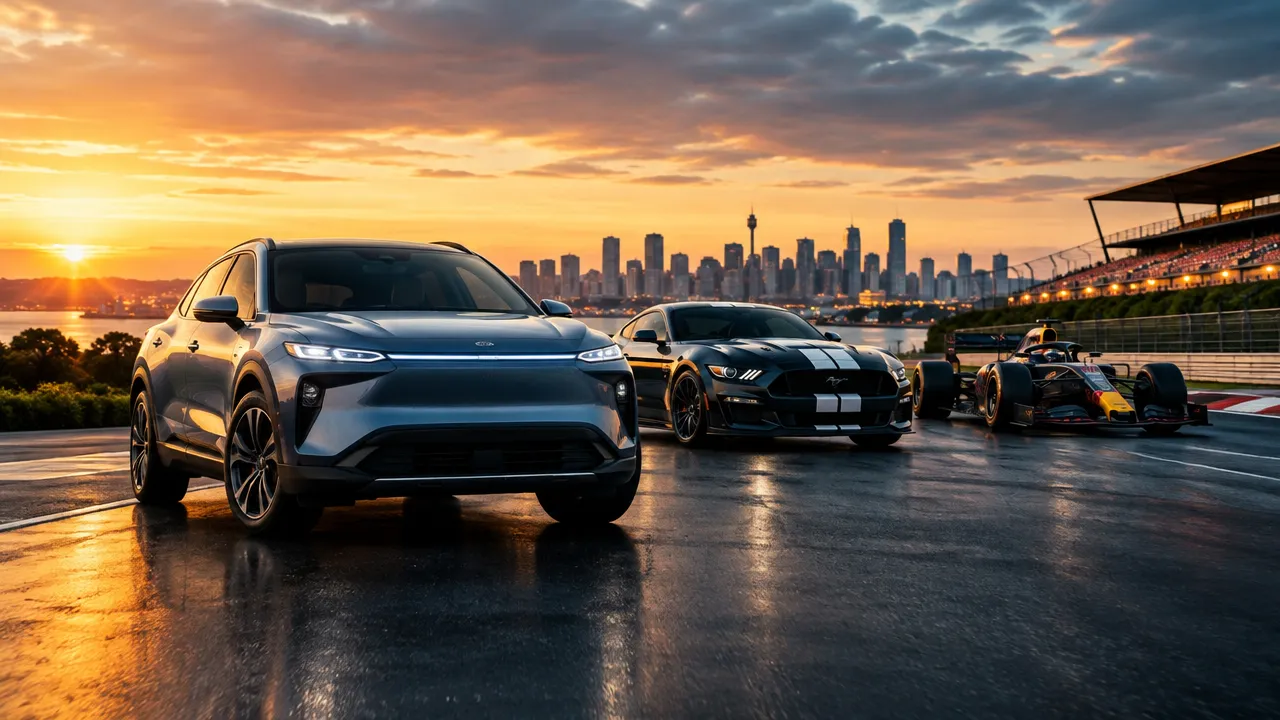
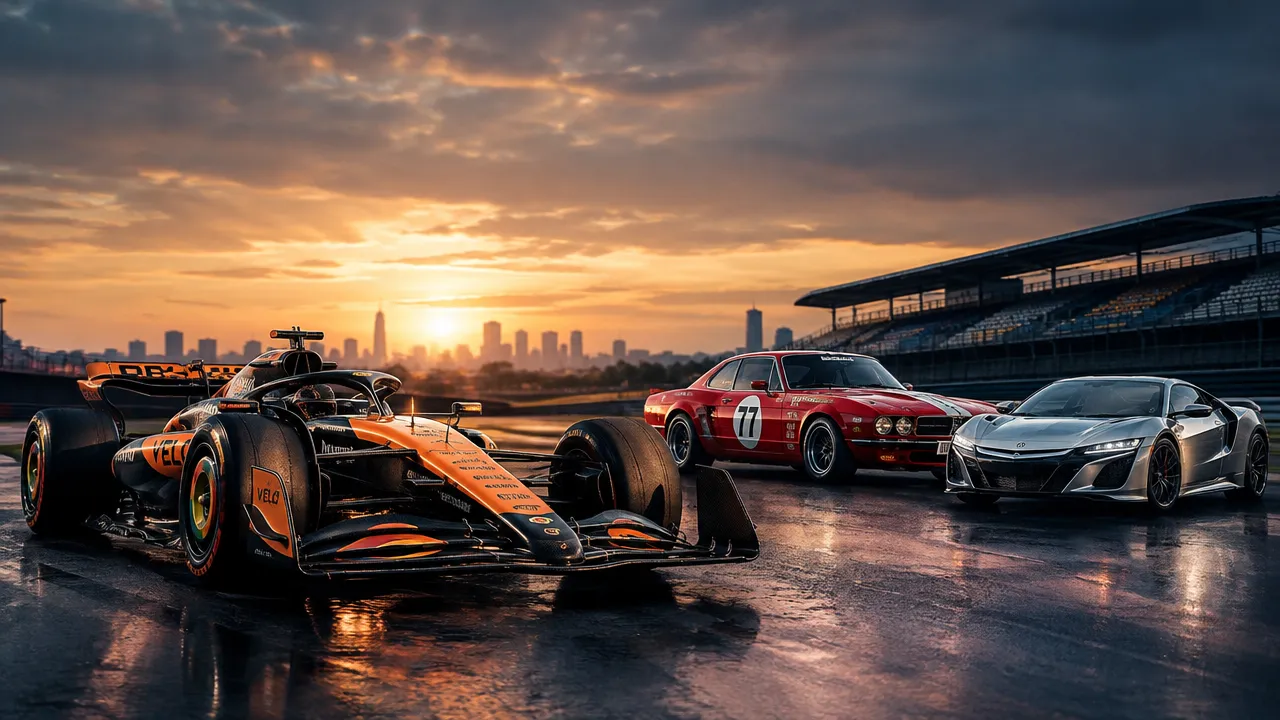
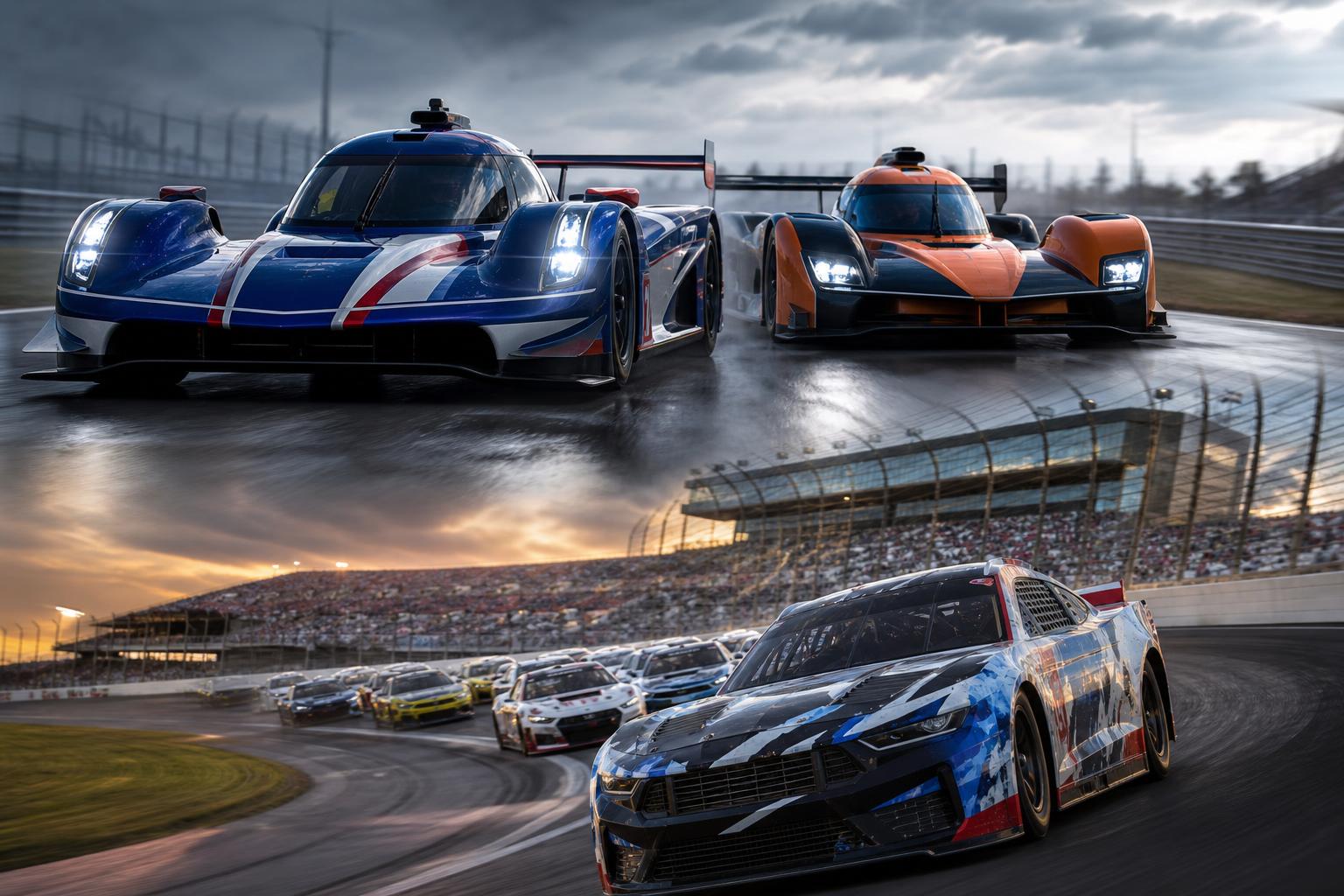
Ford and McLaren are laying the groundwork for what could be one of the most intense rivalries in endurance racing history. Ford has completed full-scale testing of its LMDh prototype, signaling a serious commitment to the WEC’s new format. The automaker is betting big on its hybrid powertrain strategy and hopes to challenge the dominance of manufacturers like Toyota and Porsche. McLaren, meanwhile, continues to push forward with its Hypercar development, aiming for a competitive edge in both performance and reliability. The partnership between these two titans promises to elevate the level of competition in endurance racing, bringing together Ford’s engineering prowess and McLaren’s motorsport heritage.
NASCAR Chase Drama Continues at Daytona
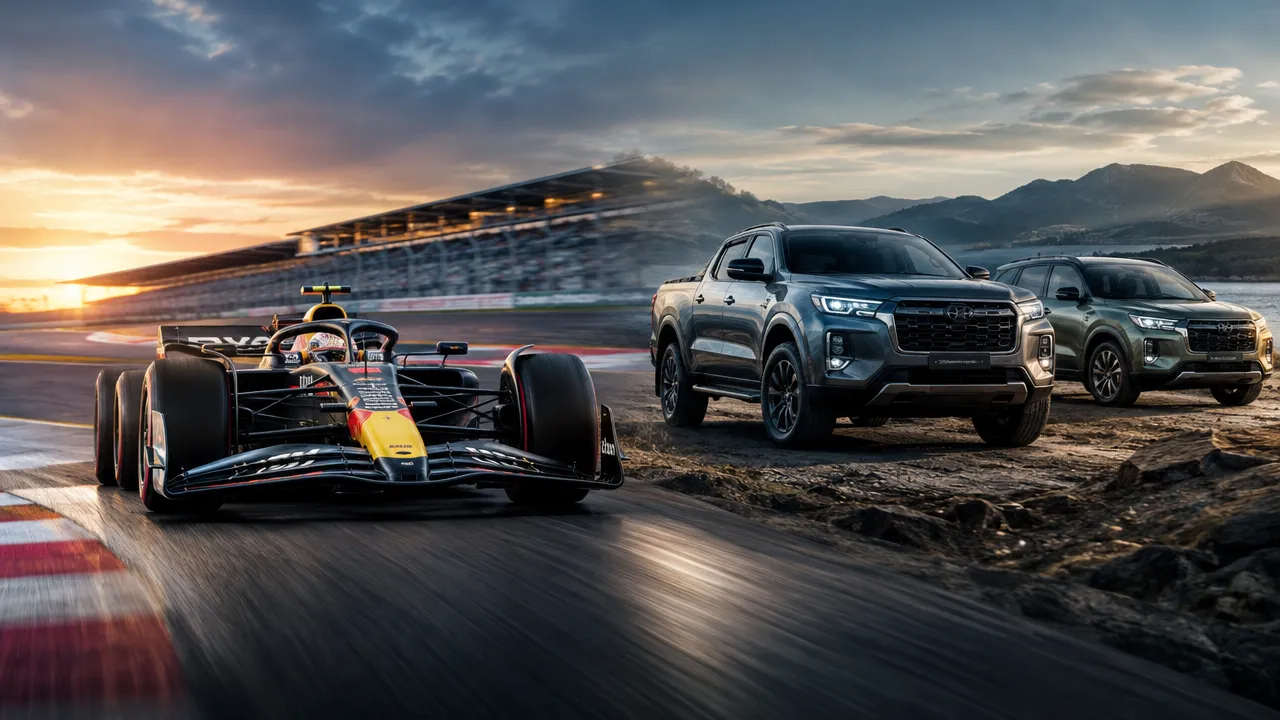
As the NASCAR Chase enters its final stretch, the drama is heating up fast. Driver Shane van Gisbergen faces a critical moment at Daytona, where his performance could make or break his playoff chances. The high-speed, high-stakes nature of the event means that every move counts, and van Gisbergen’s strategy will be under intense scrutiny. With only a few races left in the season, teams are pulling out all the stops to ensure their drivers have the best chance at success. The tension is palpable, and fans are glued to the action as these seasoned racers navigate the twists and turns of the championship chase.
Entertainment and Performance Models Make Waves
In a surprising twist, *Top Gear* is reportedly preparing for a reboot, with Jimmy Carr being floated as a potential host. This could bring a fresh energy to the show’s iconic format, blending humor with automotive excellence. On the performance front, Volkswagen has unveiled a new model that opts for diesel power over electric options, emphasizing efficiency and fuel economy. While it may not be the route many manufacturers are taking, it’s an interesting nod to the fact that some drivers still value traditional engine technologies.
EV Infrastructure Falters with $16,000 Bill
An unfortunate incident in the U.S. highlights the growing pains of EV infrastructure. A driver charged $16,000 for a mere $2 EV charging session—a glitch in smart charging systems—has sparked renewed concern over billing accuracy and system reliability. The incident underscores how much work remains to be done in making electric vehicle charging seamless and transparent for users.
Kia and Fisker Update Their Game Plans
Kia is raising prices on its Niro, reflecting updated design features and improved fuel economy. This move signals a shift toward premium offerings, where consumers are willing to pay more for added value. Meanwhile, Fisker owners in Sweden are finally receiving compensation after the company’s bankruptcy, although the payouts fall short of what many had hoped for. It’s a reminder that even in bankruptcy, some consumer rights can still be honored.
What This Means for Car Enthusiasts
This week’s automotive headlines offer a fascinating glimpse into where the industry is heading. Ford and McLaren’s Hypercar battle could define the future of endurance racing, while NASCAR’s Chase keeps fans on edge. The EV charging issues show that innovation doesn’t always come without hiccups, but it also highlights the growing need for better infrastructure. Meanwhile, manufacturers like Honda and Daihatsu are proving that affordable, efficient vehicles are still very much in demand. For car enthusiasts, these developments are more than just news—they’re a sign of how dynamic and unpredictable the world of automotive is today.