Formula 1 Drama, Ferrari V12 Revival, and Off-Road Warriors: Saturday's Automotive News Recap
The automotive world is a place where the extraordinary becomes ordinary and the ordinary gets reimagined. This Saturday, July 4, 2026, has brought a fresh wave of excitement, from the roar of engines on the track to the rumble of off-road adventures. It's a day that perfectly encapsulates the industry's spirit of innovation, tradition, and the occasional unexpected twist. Whether you're tuning into Formula 1's latest drama or planning your next weekend off-road escapade, today's headlines offer a compelling mix of performance, nostalgia, and future-forward thinking. The blend of high-octane racing action and real-world vehicle developments creates a narrative that's as compelling as it is diverse.
As the sun sets on another busy automotive day, the industry continues to push boundaries and redefine what's possible. From the strategic moves of major manufacturers to the thrilling unpredictability of racing, there's no shortage of stories that capture the imagination. The racing world, in particular, has been buzzing with developments that promise to shape the future of motorsport, while automakers are making bold statements about design, performance, and the evolution of the driving experience. What unfolds today isn't just about new cars or updated regulations—it's about the very essence of what makes the automotive world so captivating.
The automotive landscape is constantly shifting, with each headline contributing to a larger story about the industry's trajectory. Today's news reflects not just individual product launches or race results, but broader trends that influence everything from consumer preferences to technological advancement. It's a reminder that the automotive world is a living, breathing ecosystem where innovation, competition, and passion intersect to create moments that resonate far beyond the garage or racetrack. As we dive into today's top stories, it's clear that the industry is not just surviving—it's evolving at a rapid pace, with each development building upon the last to create a richer, more dynamic automotive future.
Formula 1's Unexpected Twist and Racing Bulls' Rise
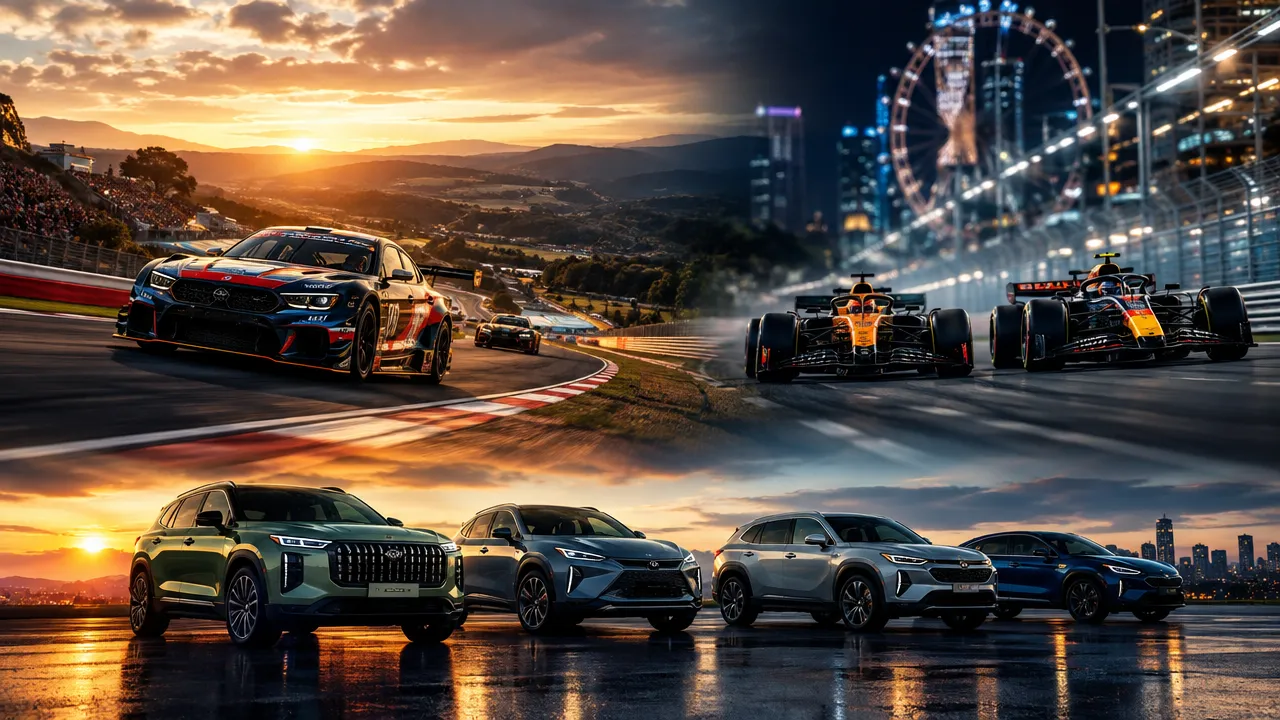
The Formula 1 calendar continues to deliver surprises, and this week's events have been no exception. Oscar Piastri and Liam Lawson both managed to secure strong qualifying positions, demonstrating the competitive nature of the sport and the unpredictability that keeps fans on the edge of their seats. However, the most unexpected moment came from Lewis Hamilton, who surprised himself by earning pole position at Silverstone. This result not only showcases Hamilton's continued prowess but also hints at the evolving dynamics within the sport, where younger drivers are making their mark and challenging the established order.
Meanwhile, Racing Bulls has been making waves with their impressive form, proving that in Formula 1, it's not just about having the most powerful car—it's about strategy, execution, and seizing opportunities. The team's consistent performance demonstrates the importance of reliability and smart decision-making in a sport where margins are measured in thousandths of seconds. This development could signal a shift in the competitive landscape, as smaller teams begin to challenge the dominance of the traditional powerhouses.
Ferrari's V12 Revival: The 12Cilindri Manuale
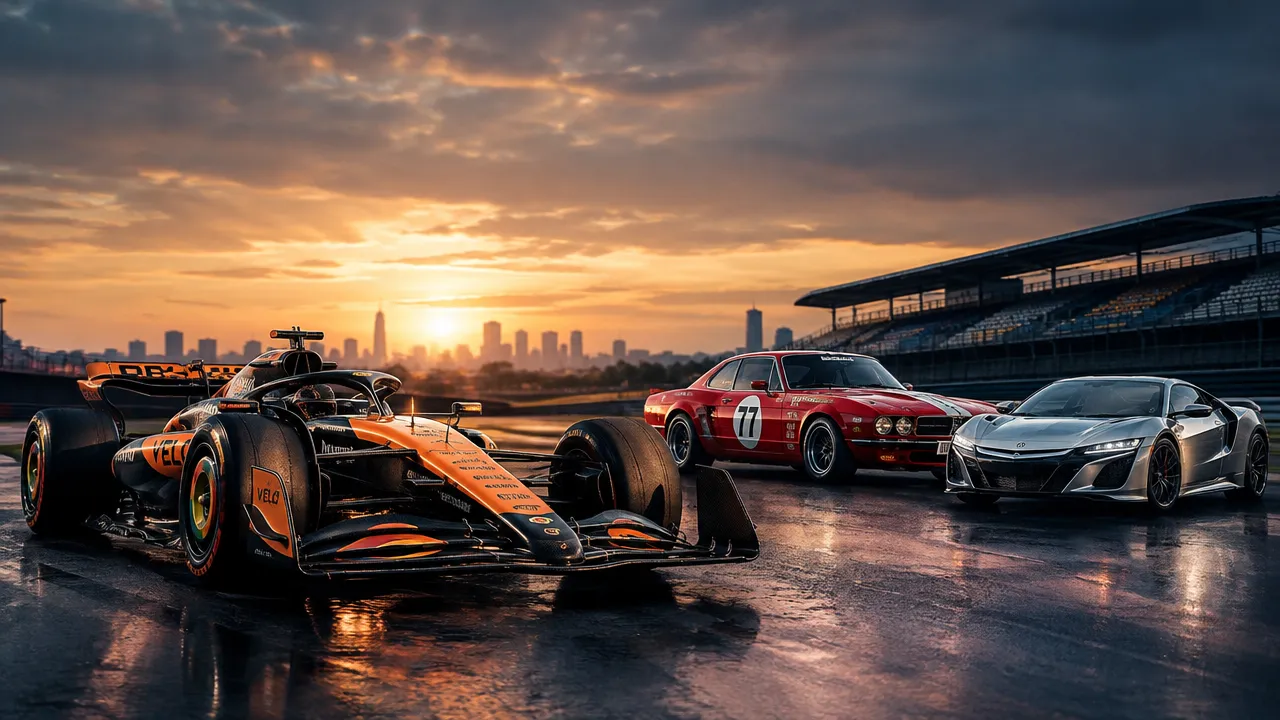
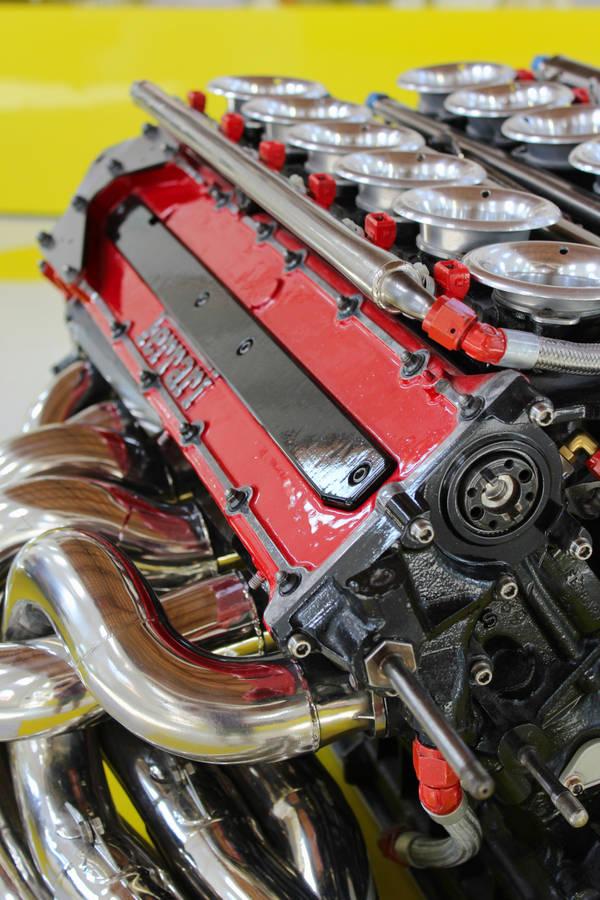
Ferrari has made a bold statement with the unveiling of the 12Cilindri Manuale, a high-performance V12 manual transmission car that brings back the traditional gated shifter with modern tech. This isn't just another car—it's a nod to Ferrari's heritage while embracing the future. The decision to reintroduce the manual transmission in a high-performance context speaks to the brand's understanding of its core audience: enthusiasts who value the connection between driver and machine.
The 12Cilindri Manuale represents a fascinating intersection of nostalgia and innovation. While many manufacturers are moving toward automatic transmissions and electric powertrains, Ferrari's approach shows that there's still a strong demand for the traditional driving experience. The gated shifter, with its precise and satisfying engagement, offers a tactile connection that digital systems simply cannot replicate. This move could influence other manufacturers to reconsider their approach to manual transmissions, especially in high-performance segments.
Off-Road Warriors: Jeep's Wrangler Moab 392 and Dodge's Challenger Demon
The off-road world has seen some exciting developments, with Jeep's $82,000 Wrangler Moab 392 offering wild capabilities that push the boundaries of what's possible on the trail. This vehicle represents the pinnacle of Jeep's commitment to providing serious off-road performance, combining raw power with the brand's legendary reliability and versatility. The Moab 392's price point reflects its specialized nature, targeting enthusiasts who demand the absolute best for their most challenging adventures.
On the other hand, Dodge dealers are still sitting on unsold Challenger Demons, with prices remaining steep despite the limited availability. This situation highlights the complex dynamics of the performance car market, where demand doesn't always align with supply. The Challenger Demon's continued presence in dealerships suggests that while the initial hype may have subsided, there's still a dedicated market for these high-performance vehicles. The pricing strategy reflects the exclusivity and performance capabilities of the car, but it also raises questions about the long-term viability of such limited production runs.
BMW's Bold Design Statement and Stellantis' Wagon Bet
BMW's four-grille M3² makes a striking visual statement with its unconventional design, challenging traditional aesthetics while maintaining the brand's performance credentials. This design approach reflects BMW's willingness to push boundaries and differentiate itself in a crowded performance car market. The four-grille design isn't just about looks—it's a bold declaration that BMW is not afraid to take risks to stand out from the crowd.
Stellantis' decision to bet on wagons over SUVs for its next compact model represents a significant shift in strategy. While SUVs have dominated the compact car market, this move suggests that there's still a market for more traditional body styles. The wagon's practicality, combined with its potential for performance, could appeal to consumers looking for something different from the typical SUV offerings. This strategy could influence other manufacturers to reconsider their approach to compact vehicle design, potentially leading to a resurgence of wagon popularity.
Luxury SUVs Still Struggling with Value
Despite the excitement surrounding new vehicles and racing developments, luxury SUVs like the 2026 Toyota LandCruiser Prado Kakadu continue to struggle with justifying their premium pricing through comfort alone. This situation reflects the growing complexity of the luxury vehicle market, where consumers are increasingly demanding more value for their money. The challenge for manufacturers is to balance performance, features, and comfort while maintaining competitive pricing.
The LandCruiser Prado Kakadu's struggle highlights a broader industry trend where luxury SUVs must prove their worth beyond their premium price tags. While these vehicles offer impressive capabilities and features, they need to deliver on their promises of comfort and refinement to justify their cost. This pressure could lead to more innovation in interior design, materials, and comfort features as manufacturers compete for the luxury market.
What This All Means for Car Enthusiasts
The developments of today reflect the industry's ongoing evolution, where tradition and innovation coexist in fascinating ways. For car enthusiasts, these headlines represent both the continuation of classic driving experiences and the emergence of new possibilities. The resurgence of manual transmissions, the bold design statements, and the continued demand for performance vehicles all point to a vibrant and diverse automotive landscape.
Enthusiasts should pay attention to these trends as they shape the future of the industry. The return of the manual transmission, for instance, could lead to more opportunities for drivers to connect with their vehicles in meaningful ways. Meanwhile, the strategic moves by manufacturers like BMW and Stellantis suggest that there's still room for innovation and differentiation in the market. As the automotive world continues to evolve, enthusiasts who stay informed about these developments will be better positioned to enjoy the full spectrum of what the industry has to offer.