FTC Crackdown, Electric Utes, and F1 Frenzy: What’s Shaking Up the Auto World Today
The automotive world is in a constant state of motion, and today, June 5, 2026, is no exception. From regulatory overhauls to electric vehicle milestones and motorsport drama, the industry is buzzing with developments that promise to reshape how we think about cars, advertising, and even racing. It’s a day that perfectly encapsulates the industry’s evolution—where traditional giants are reimagining their offerings, and new challenges are emerging from unexpected corners. Whether it's a five-star-rated electric ute or a major FTC crackdown on price transparency, today’s headlines are a reminder that the auto industry is not just about engines and wheels anymore. It’s about data, regulation, and the digital ecosystems that surround our driving lives.
FTC Cracks Down on Auto Advertisers, Price Transparency Gets a Makeover
The Federal Trade Commission (FTC) has issued a stern warning to 97 auto dealers, signaling a major shift in how vehicle pricing is displayed and communicated to consumers. This move is part of a broader push for transparency in the automotive sector, especially as digital platforms like Autotrader and Cars.com are now being forced to overhaul their pricing displays. The implications are far-reaching: consumers will soon see more accurate and consistent pricing, while dealerships will need to rethink their advertising strategies. This isn’t just about making things fairer—it’s about restoring trust in a market that has often been criticized for opaque pricing. As these platforms adapt, we can expect a more level playing field, especially for those who rely on online searches to make their next car purchase.
Toyota HiLux BEV Sets New Safety Standard in Australia
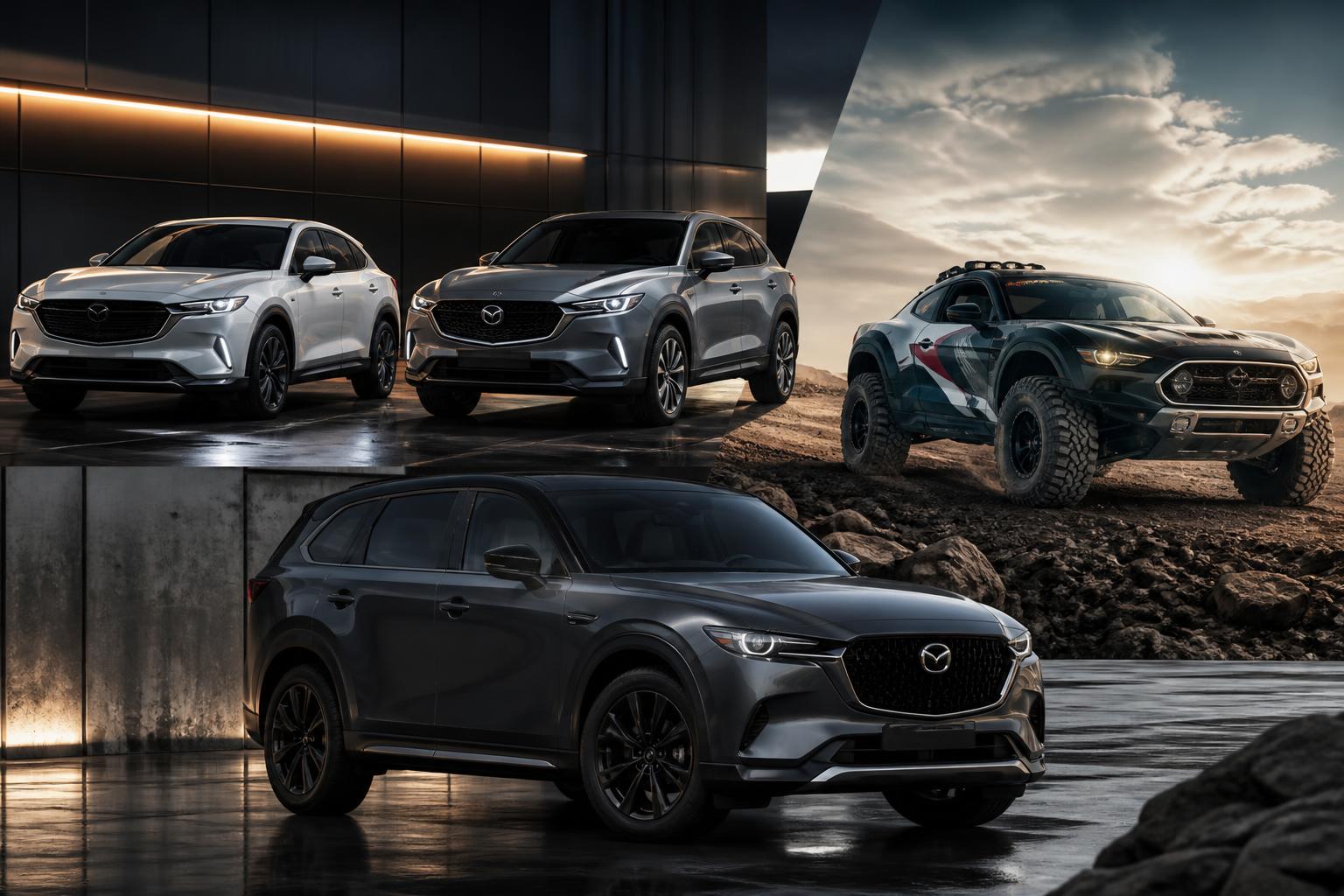
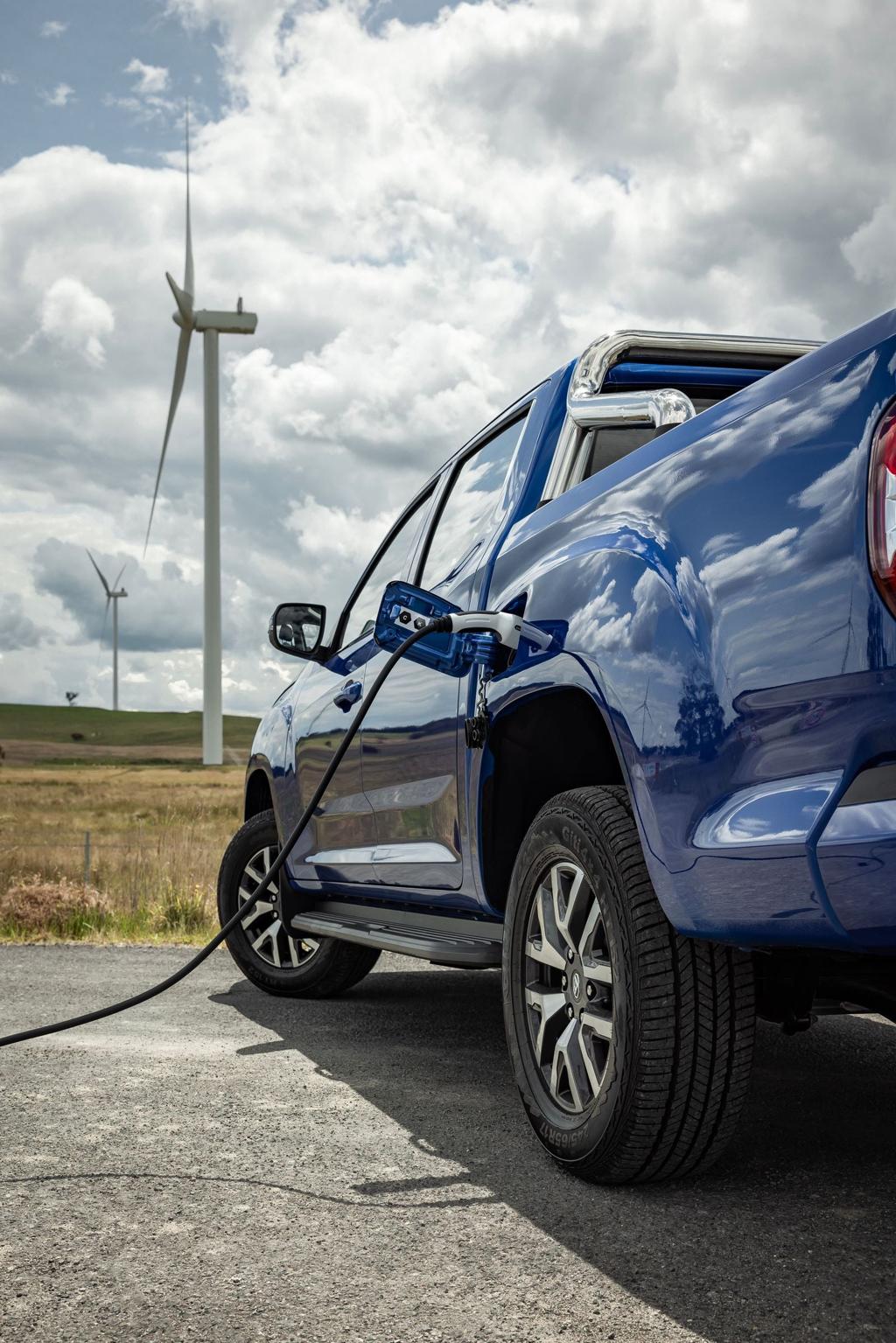
In a significant win for electric utility vehicles, Toyota’s HiLux BEV has become Australia’s first electric ute to earn a five-star ANCAP safety rating. This achievement is a milestone not only for Toyota but for the entire electric vehicle industry in Australia. The HiLux BEV combines rugged utility with cutting-edge electric technology, proving that the shift to electrification doesn’t mean compromising on safety or performance. It also sends a strong message to other manufacturers that they need to step up their game in terms of safety standards, especially in markets where utes are a cultural staple. As more electric vehicles gain traction, this kind of validation will become increasingly important for consumer confidence.
Motorsport Mayhem: Piastri’s Ferrari Pick and McLaren’s Comeback Dreams
In the world of Formula 1, Oscar Piastri has boldly tipped Ferrari for a Monaco Grand Prix victory, as McLaren looks to recover from recent setbacks. This isn’t just idle speculation—it’s a reflection of how the sport is evolving, with young drivers like Piastri stepping into the spotlight and making bold predictions. Meanwhile, the F1 season continues to be a rollercoaster of performance, strategy, and drama, with teams like Ferrari and McLaren fighting for supremacy. The sport’s influence on automotive innovation is undeniable, with technologies developed on the track often finding their way to consumer vehicles. As we watch the drivers race toward the finish line, we’re also witnessing how motorsport continues to drive the future of automotive engineering.
GM’s Production Streamlining and Ford’s Mustang Expansion Plans
General Motors is taking a page from its competitors by streamlining production with mass-manufactured identical parts, a move that promises to cut costs and increase efficiency. This strategy is part of a broader industry trend toward modular manufacturing, where flexibility and cost-effectiveness are prioritized without sacrificing quality. Meanwhile, Ford is reportedly considering a Mustang sedan, though only if market conditions are right. The idea of a Mustang sedan has long been a dream for car enthusiasts, but it remains to be seen whether there’s enough demand to justify such a move. It’s a classic case of balancing innovation with consumer appetite, and one that will likely be closely watched by both automakers and fans alike.
Mini’s Special Editions and the Digital Disruption of Everyday Life
Mini is rolling out eight special edition models, each one crafted to appeal to a niche audience of enthusiasts and collectors. These limited releases are a reminder that even in an age of mass production, there’s still a strong demand for unique, curated experiences. But beyond the cars themselves, today’s news also highlights how digital systems are becoming increasingly integrated into our daily lives. An errant GPS error caused a major transit disruption, underscoring the importance of not just building better cars, but better digital infrastructure to support them. As vehicles become more connected, the need for robust, fail-safe systems becomes more critical than ever.
What This All Means for Car Enthusiasts
Today’s news paints a picture of an industry in flux—where safety, transparency, and digital integration are taking center stage. For car enthusiasts, this means more choices, better technology, and a growing emphasis on performance and safety. Whether it’s a new electric ute, a F1 prediction, or a major FTC ruling, each development contributes to a larger narrative about the future of automotive culture. As we move forward, the intersection of innovation and tradition will continue to define what makes a car special—and what it means to be part of the automotive community.