Honda and Nissan Team Up, Mazda Overhauls SUVs, and Ford's Baja Prototype Unveiled
The automotive landscape is shifting in unexpected directions this Tuesday, September 1, 2026, with a wave of strategic moves that signal both cooperation and transformation across the industry. From long-time rivals aligning on technology to manufacturers rethinking their product strategies, today’s headlines paint a picture of an evolving automotive world. The collaboration between Honda and Nissan marks a bold departure from traditional competition, while Mazda’s decision to completely revamp its large SUV lineup suggests a reckoning with changing market dynamics. Meanwhile, Ford continues to push boundaries with an off-road-focused Mustang prototype, and Acura prepares to expand its three-row SUV presence. These developments are more than just headlines—they’re indicators of where the industry is heading, especially as manufacturers navigate cost pressures, shifting consumer preferences, and new technologies.
Honda and Nissan Join Forces on Software and Electronics
Honda and Nissan have announced a groundbreaking strategic partnership focused on sharing software and electronic control units, an unexpected alliance that underscores how cost-conscious strategies are reshaping rivalries in the automotive sector. The collaboration aims to streamline development timelines and reduce expenses by leveraging shared platforms, which is particularly significant as both companies face increasing pressure from electric vehicle transitions and evolving consumer demands. This move signals a shift toward collaborative innovation rather than competitive isolation—a rare occurrence in an industry known for its fierce rivalry. Industry analysts suggest this partnership could set a precedent for other manufacturers to follow, especially as the complexity of modern automotive systems grows and development costs soar.
Mazda’s Large SUV Overhaul After Underwhelming Sales
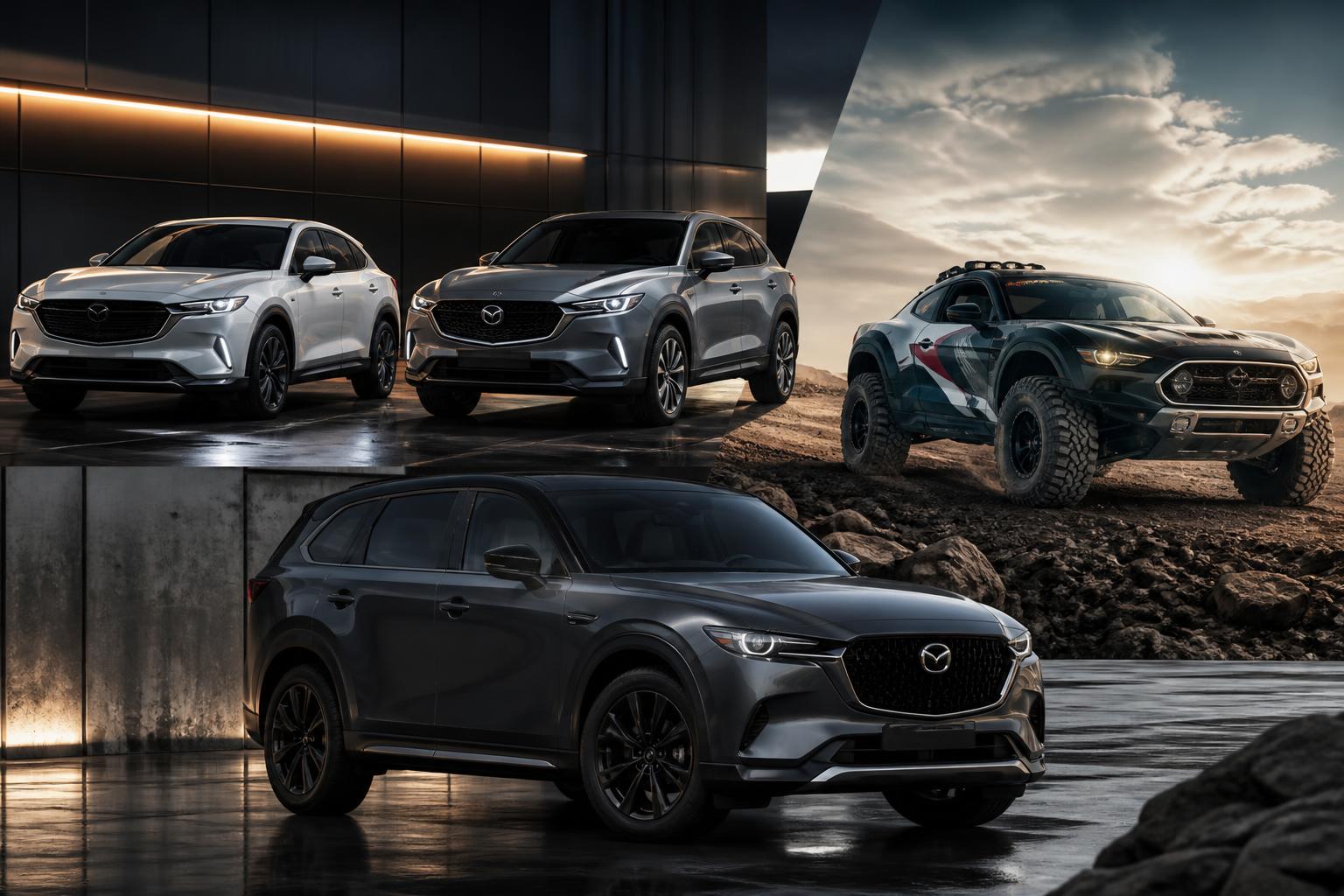
Mazda is preparing to make sweeping changes to its entire large SUV lineup following disappointing sales figures, a move that indicates the brand is taking decisive action to address consumer preferences. The overhaul includes not just design tweaks but a complete reimagining of how these vehicles appeal to buyers in an increasingly crowded and competitive segment. With many manufacturers focusing on SUVs as their core growth area, Mazda’s decision to revamp its offerings shows an understanding that simply being a brand isn’t enough—efficiency, innovation, and responsiveness to market feedback are now critical. Industry experts believe this could be a turning point for Mazda’s future SUV strategy, potentially reshaping its presence in the midsize and full-size SUV space.
Kia Extends K5 Life with Hybrid Tech and Toyota Camry Playbook
Kia is planning to extend the life of its K5 sedan beyond 2028 by adopting a strategy similar to Toyota’s successful Camry model—focusing on updated technology, hybrid powertrains, and continued relevance in a market where sedans are often overlooked. This approach reflects how manufacturers are extending vehicle lifecycles through smart updates rather than abrupt redesigns, especially as sustainability becomes a key selling point. The move also illustrates the influence of successful models like the Camry, which has long been a benchmark for longevity and reliability in its class. By applying this playbook, Kia aims to keep its K5 competitive against newer entrants and evolving consumer expectations.
Ford’s Baja Mustang V8 Prototype Pushes Off-Road Boundaries
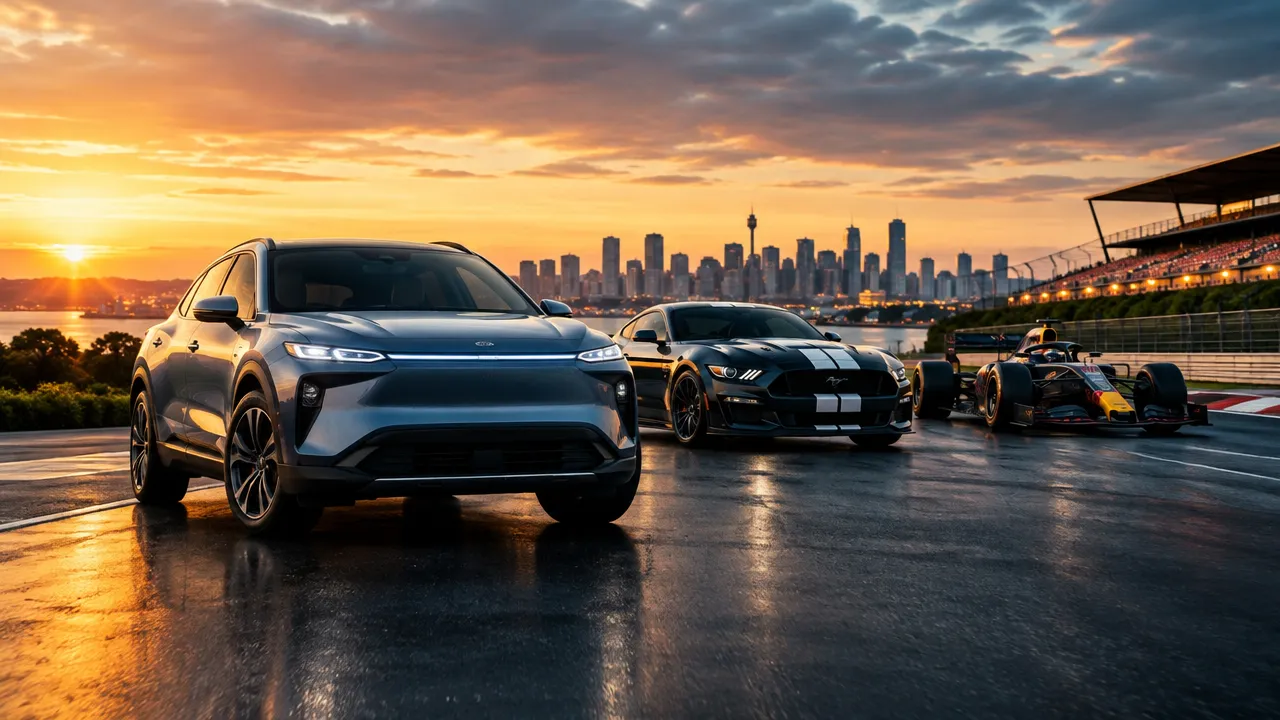
Ford is making waves with the introduction of an all-wheel-drive Mustang V8 prototype codenamed Baja, signaling a clear expansion into off-road performance territory. While the Mustang has long been synonymous with street racing and muscle car culture, this new prototype suggests Ford is looking to tap into the rapidly growing demand for capable, rugged vehicles that can handle more than just pavement. The Baja model’s development likely draws inspiration from successful off-road variants like the F-150 Raptor and Bronco, indicating a strategic effort to broaden the Mustang’s appeal. It also hints at a broader trend in performance vehicles moving beyond traditional boundaries to embrace versatility.
Acura Expands Three-Row SUV Lineup with New Flagship Model
Acura is preparing to introduce a new flagship three-row SUV to complement its existing MDX and RDX Hybrid lineup, signaling the brand’s intent to expand its presence in the premium SUV segment. This move reinforces Acura’s strategy of offering high-end vehicles that balance luxury with practicality, especially as demand for spacious, family-friendly SUVs continues to rise. The new model is expected to feature advanced technologies, refined interiors, and possibly hybrid or electric powertrains, aligning with broader industry trends toward electrification. By adding this vehicle, Acura aims to capture a larger share of the premium SUV market, which has become increasingly competitive.
Unifor Union Approves GM Deal, Securing Canadian Truck Production
In a significant development for North American manufacturing, Unifor union members have approved a lucrative new deal with General Motors that includes wage increases and bonuses, ensuring next-gen truck production will remain in Canada. This agreement is crucial not just for the workers involved but also for the broader automotive ecosystem in North America, where labor agreements can have major implications for production capacity and competitiveness. As automakers continue to invest in electric and hybrid technologies, securing domestic manufacturing capabilities remains a key strategic priority. The deal shows how strong labor relations can support long-term industry stability and innovation.
Racing and Global Market Disparities
On the racing front, Smiths claimed victory at Alexandra Speedway’s endurance event, showcasing the continued popularity of grassroots motorsports. Meanwhile, Renault’s Kwid model highlights a stark contrast in global pricing strategies—where a similar platform can be sold for vastly different prices depending on market conditions. This disparity underscores how manufacturers must balance global standardization with local adaptation, especially as consumer expectations and regulatory environments vary widely across regions. The Kwid’s global performance demonstrates that platform evolution is not just about technology but also about understanding regional markets.
What This Means for Car Enthusiasts
These developments collectively point to an automotive industry in flux—where traditional rivalries are giving way to collaboration, and manufacturers are more agile than ever in responding to market shifts. For car enthusiasts, this means a future filled with more innovation, better value, and a broader range of choices. Whether it’s through shared technology, updated platforms, or bold new models like Ford’s Baja Mustang, the industry is proving that evolution—and even cooperation—is the only way forward in an increasingly complex landscape.