Hyundai Rally Victory, EV Explosions, and the Auto Industry's Next Big Move
The automotive world continues to surprise with a mix of motorsport triumphs, electric breakthroughs, and strategic missteps that keep enthusiasts on their toes. This Monday, May 11, 2026, brings a fresh wave of developments that are reshaping expectations for both luxury and performance. From a dramatic rally win that ends a long drought to revelations about the true cost of EV ownership, the industry is in full swing. Whether you're a fan of high-octane racing or a prospective EV buyer, there's a lot to unpack this week.
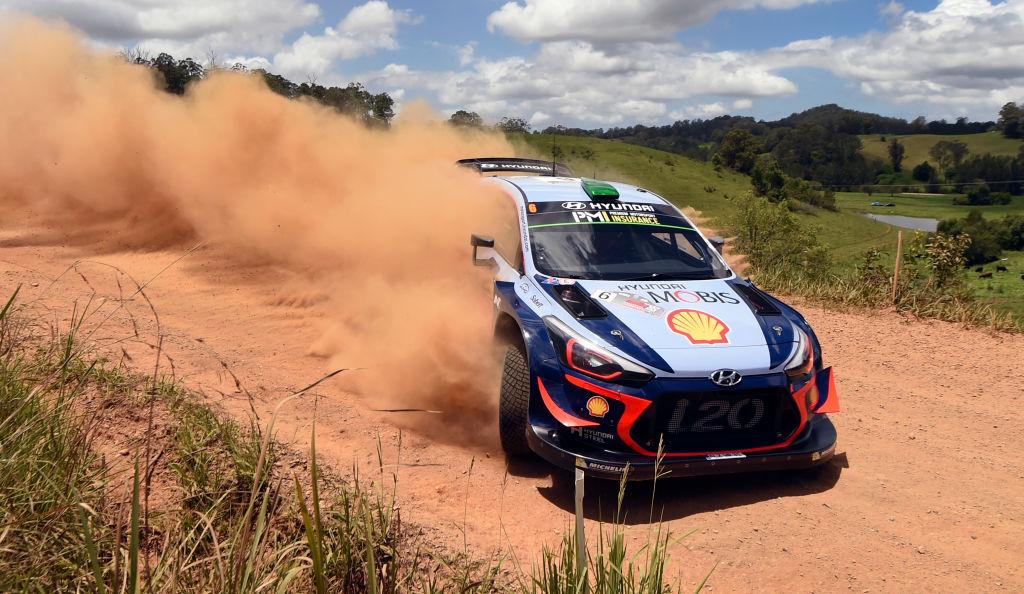
The motorsport scene has been particularly lively, with Hyundai’s Thierry Neuville securing a stunning victory at the Vodafone Rally de Portugal. This win not only ends the team’s 2026 drought but also highlights the competitive nature of rallying, where precision and endurance are just as important as raw speed. Meanwhile, the electric vehicle landscape is heating up with new announcements from Zeekr and Lamborghini, signaling a shift toward more aggressive EV strategies in the luxury segment. But beneath the surface, there are growing concerns about the actual affordability of EV ownership, especially when it comes to used models.
The auto industry is also seeing a wave of infrastructure expansion and safety initiatives. Australia’s fastest EV chargers are now set to expand, promising to ease range anxiety for drivers. In Colorado, local authorities are cracking down on e-motorcycle riders, indicating a growing concern over road safety. And in the design world, the Cupra Leon Sporttourer is earning praise for its aesthetic appeal, though it's falling short in hybrid performance. These developments are all part of a broader narrative that’s unfolding across the automotive landscape, and it’s one that’s more complex than it initially appears.
Rally Victory and the Future of Motorsport
Thierry Neuville’s victory at the Vodafone Rally de Portugal marks a significant moment for Hyundai. After a long drought, the team has finally found success in the world of rallying, a discipline that demands both technical skill and raw courage. The rally itself, known for its challenging terrain and unpredictable weather, provided the perfect stage for a dramatic win. Neuville’s performance underscores the importance of strategy and adaptability in motorsport, where small mistakes can be costly.
This win is not just about one driver or one team—it's a sign of the evolving competitive landscape in rallying. With new technologies and regulations shaping the sport, teams are investing more heavily in data analytics and performance optimization. For Hyundai, this victory could be a turning point, signaling renewed interest and investment in the rally segment. It also speaks to the broader trend of manufacturers using motorsport as a way to showcase their engineering capabilities and brand strength.
Luxury EVs Take the Stage
In the luxury EV space, Zeekr and Lamborghini are making headlines with their latest offerings. Zeekr has confirmed new electric variants, pushing the boundaries of what’s possible in the premium electric vehicle market. These new models are expected to offer improved range, faster charging, and enhanced performance, making them attractive to affluent buyers who want both style and substance.
Meanwhile, Lamborghini’s new roadster, the Fenomeno, is setting new standards for speed and design. As the brand’s fastest-ever roadster, it’s a testament to the company’s ability to blend traditional Italian craftsmanship with modern electric technology. The Fenomeno is expected to attract attention from collectors and enthusiasts alike, but it also raises questions about the future of high-performance EVs and how they’ll fit into the broader automotive ecosystem.
The EV Ownership Dilemma
Despite the allure of electric vehicles, concerns are growing about the true cost of ownership, especially for used EVs. While new EVs may offer attractive purchase prices, the reality of maintenance, battery degradation, and resale value can be more complex than initially anticipated. This is particularly true for used models, where the market is still evolving and the long-term data is limited.
Additionally, the lack of a clear competitor to Apple’s Super Cruise in the autonomous driving space is a major concern for Toyota and Lexus. While both brands have made strides in driver assistance technology, they’ve yet to offer a comprehensive solution that matches Apple’s level of integration and user experience. This gap could be costly in the long run, especially as consumers increasingly demand more advanced features in their vehicles.
Infrastructure and Safety Updates
Australia’s expansion of its fastest EV chargers is a significant development for the country’s electric vehicle adoption. With these high-speed charging stations, drivers can now reduce charging times to a matter of minutes, which is crucial for long-distance travel. This move not only supports the growing number of EV owners but also signals a broader commitment to sustainable transportation.
On the other side of the spectrum, Colorado towns are taking action against dangerous e-motorcycle riders, indicating that the rapid rise of electric vehicles is outpacing safety regulations. As more people adopt electric motorcycles and scooters, local authorities are recognizing the need for better oversight and enforcement. These efforts are a reminder that the transition to electric mobility requires not just technological advancement but also careful consideration of public safety.
Design Meets Performance
The Cupra Leon Sporttourer has garnered attention for its design, with many praising its modern and sleek aesthetic. However, it falls short in hybrid performance, which could be a disappointment for those hoping for a balance between style and efficiency. This example illustrates the ongoing challenge in the automotive industry: how to meet consumer expectations for both visual appeal and practical performance.
In the end, the Cupra’s shortcomings highlight the importance of holistic vehicle development. While a stunning exterior can attract buyers, it’s the overall performance, reliability, and functionality that determine long-term satisfaction. As manufacturers continue to innovate, they must ensure that every aspect of their vehicles aligns with consumer needs and expectations.
What This All Means for Car Enthusiasts
The developments of this week are a clear indicator that the automotive industry is in a period of rapid transformation. Whether it's through rallying victories, luxury EV launches, or infrastructure upgrades, we’re seeing a convergence of innovation, performance, and consumer demand. For car enthusiasts, this means a more dynamic and diverse landscape, with new opportunities to explore and engage with the latest technologies.
However, it also means that staying informed is more critical than ever. With new models, charging solutions, and safety regulations emerging regularly, enthusiasts need to keep up with the latest trends and developments. The industry is evolving at a fast pace, and those who adapt quickly will be best positioned to enjoy the ride.