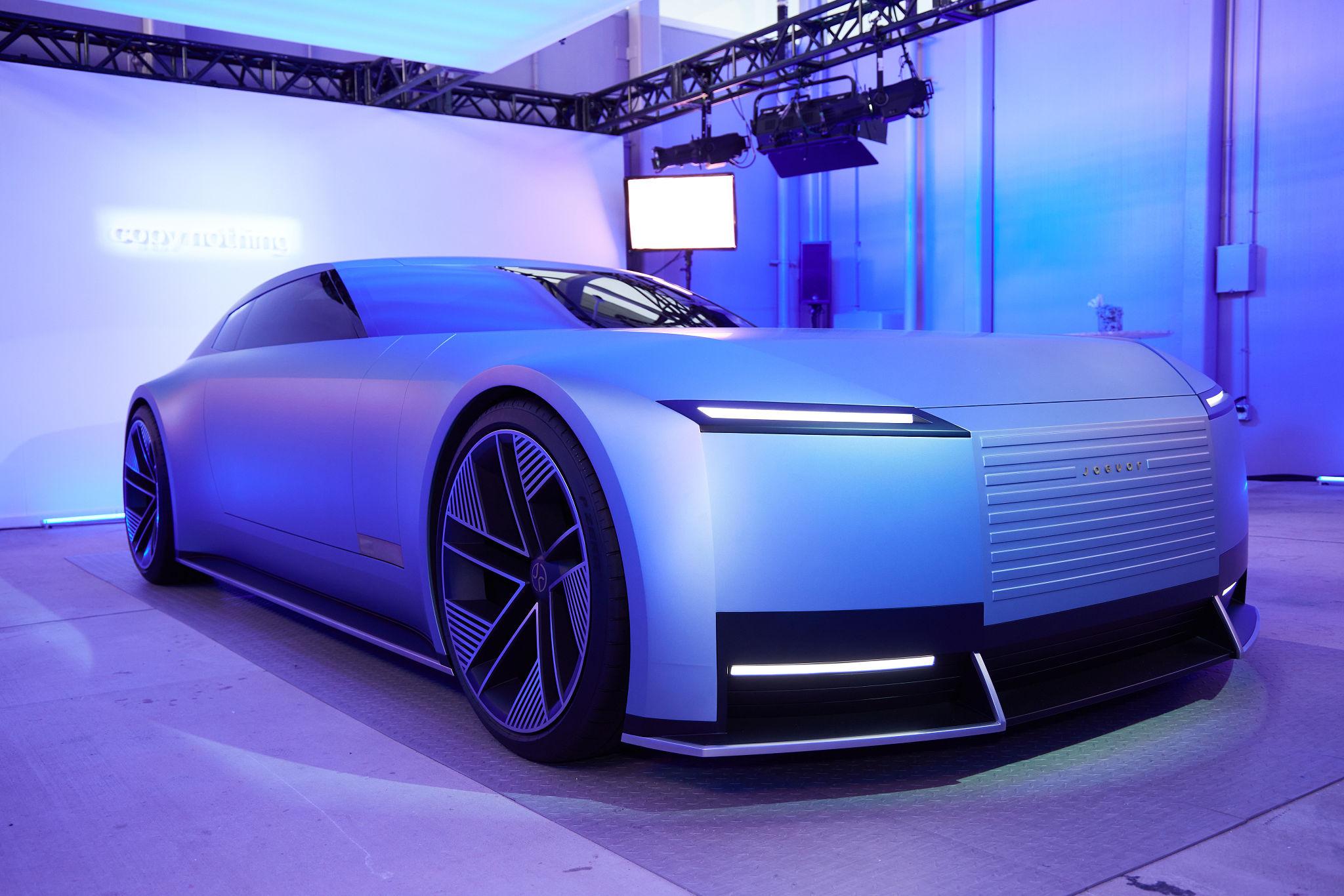
Jaguar Land Rover Loses Design Visionary as EV Transition Accelerates
The automotive world is in a state of constant flux, and today’s headlines are a perfect example of how quickly the industry can shift gears. From leadership changes at major automakers to fuel shortages in Australia and motorsport excitement, it's clear that the car industry is navigating a complex landscape filled with both opportunities and challenges. Whether you're a longtime car enthusiast or someone just starting to dip their toes into the automotive world, today’s news has something for everyone. As electric vehicles take center stage and traditional automakers restructure for the future, we’re seeing how these changes ripple through design, supply chains, and even the racing circuits that many of us love.
Major Leadership Change at Jaguar Land Rover
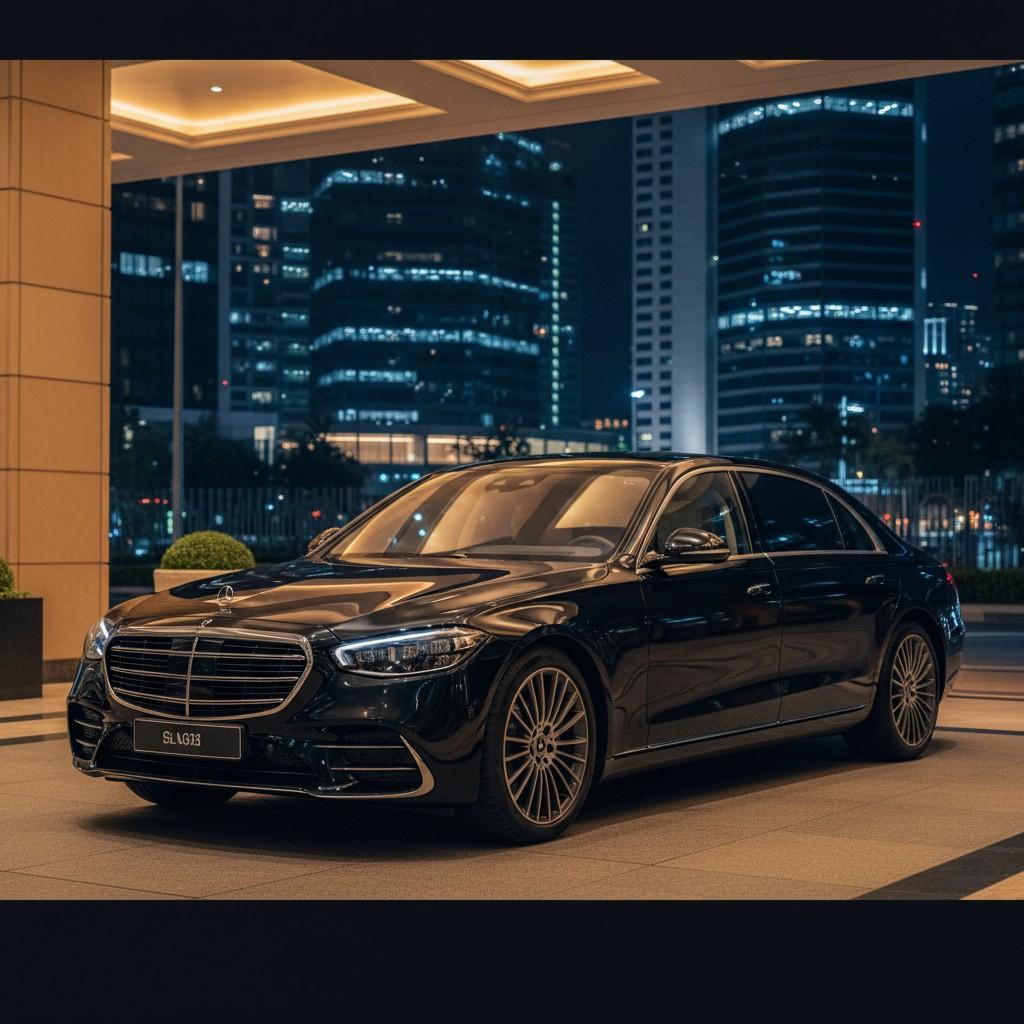
Jaguar Land Rover is losing one of its most influential design leaders just as the company is trying to solidify its electric future. The departure of a key executive—expected to leave by month’s end—could signal a major shift in how the brand approaches design during this pivotal transition period. For many, this is a worrying sign that even established luxury brands are struggling to balance their heritage with modern innovation.
What makes this change particularly interesting is that it comes at a time when EV development is accelerating across the industry. With the market shifting toward electric and autonomous vehicles, companies like Jaguar Land Rover need strong leadership in design and technology to stay competitive. Without clear direction, there’s a risk of losing the brand identity that has made it so appealing to consumers.
Fuel Shortages in Victoria Due to Panic Buying
In Australia, panic buying has led to fuel shortages at over 100 service stations in Victoria. While the situation might seem like a small hiccup on the surface, it highlights deeper issues with supply chain resilience and consumer behavior during times of uncertainty. The ripple effect of such shortages can be felt far beyond just the immediate inconvenience.
This incident is a reminder that even in an age of digital connectivity, physical infrastructure remains vulnerable. It also raises questions about how governments and automakers prepare for disruptions, especially as we move toward electrification. With electric charging stations becoming more common, it's crucial to ensure these systems are reliable and accessible—not just in urban centers but across rural areas too.
McLaren Joins GT World Challenge Australia in 2026
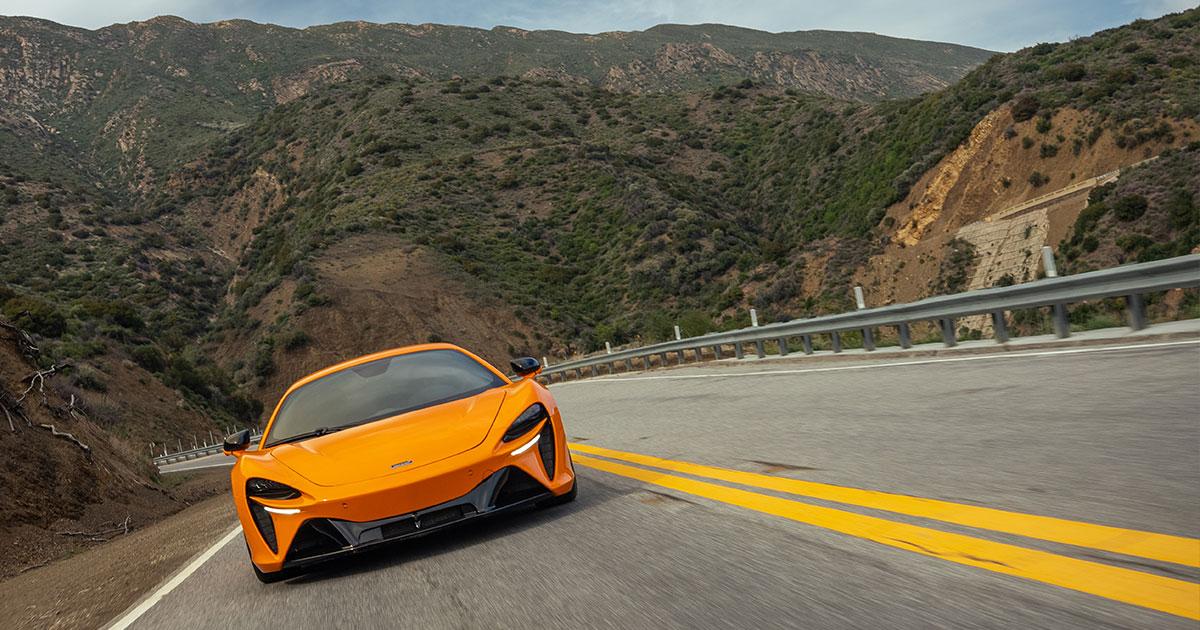
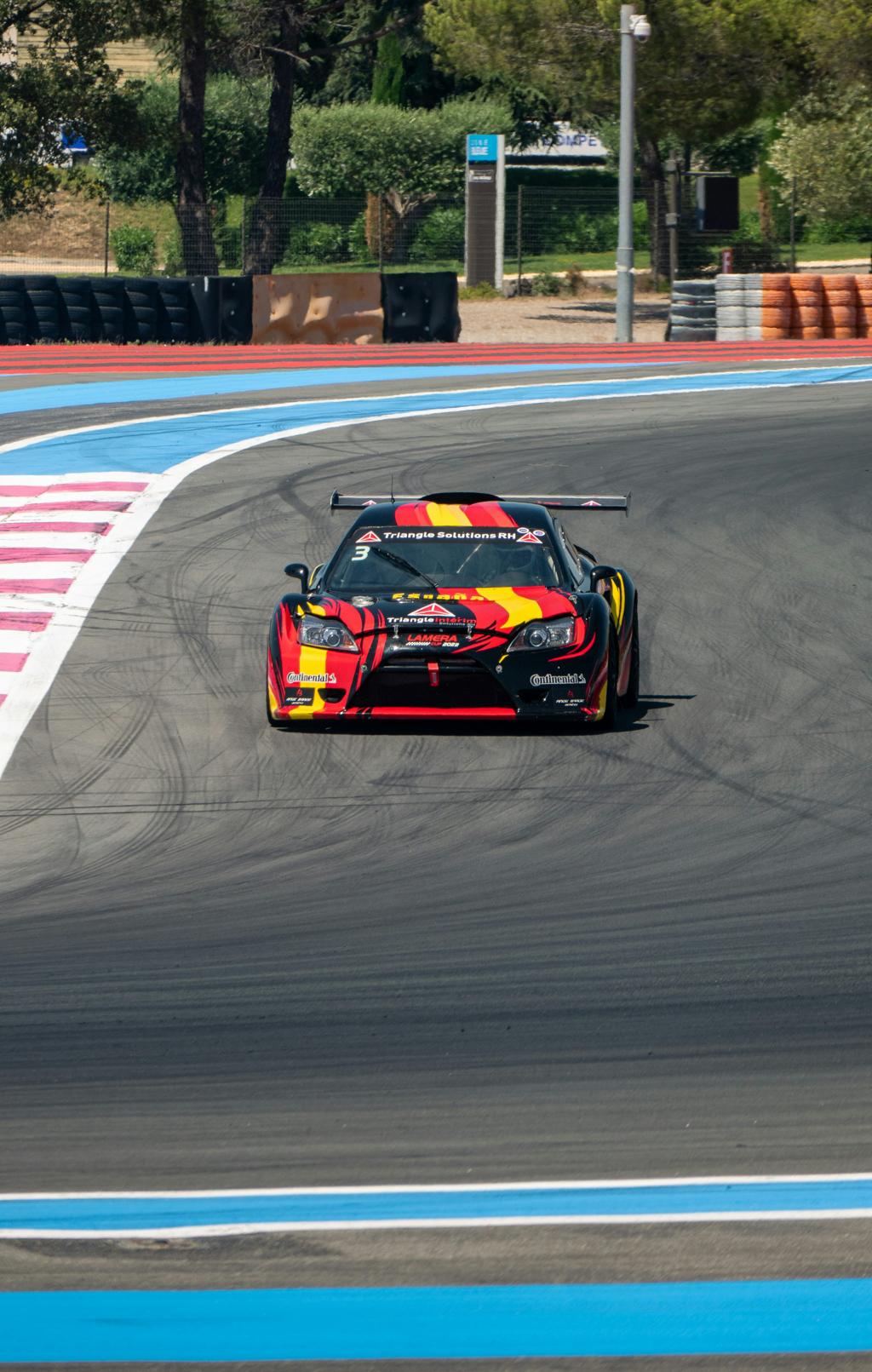
On the racing front, McLaren is bringing its expertise to the GT World Challenge Australia grid in 2026 through Volante Rosso Motorsport. This move not only adds prestige to the series but also underscores McLaren’s commitment to developing high-performance vehicles that are both competitive and accessible.
For car enthusiasts, this development means more opportunities to see top-tier racing technology on the track. It also reflects how motorsports continue to drive innovation in production vehicles—especially as manufacturers look for ways to translate race-derived tech into road cars.
MG U9 ute Gets Electric Sibling, but XPeng Faces Legal Troubles
MG’s upcoming electric U9 ute may soon be joined by an electric sibling, signaling a growing trend in the utility vehicle segment. The move aligns with increasing consumer demand for EVs in truck and SUV categories.
However, not all news is positive. XPeng’s Australian distributor has entered administration amid legal disputes, which could have far-reaching implications for the EV market in Australia. This highlights the challenges that foreign automakers face when entering new markets—particularly when dealing with complex regulatory environments and supply chain issues.
Ford Optimistic About US Pickup Sales Despite Declines
Despite declining sales in some segments, Ford remains confident about its pickup truck lineup in the United States. The company’s optimism is rooted in strong demand for electric models like the F-150 Lightning and a growing awareness of fuel efficiency among consumers.
This resilience shows that while traditional pickup trucks are facing headwinds, there’s still a strong market for electric variants. As more automakers enter the EV pickup space, Ford’s success could influence how others approach this segment.
Luxury Car Tax Reforms and Kia K4 Seatbelt Recall
Concerns are growing over proposed luxury car tax reforms in Australia, which could impact the pricing of high-end vehicles. These changes could affect both consumers and dealerships, especially as the market becomes more competitive with electric options.
Meanwhile, Kia is recalling K4 hatchbacks due to seatbelt issues—a reminder that safety remains a top priority for automakers. While recalls are standard in the industry, they can erode consumer trust if not handled properly. The incident also emphasizes how critical it is for manufacturers to maintain strict quality control during the transition to electric vehicles.
Industry Context and Analysis
The automotive industry today is at a crossroads. On one hand, we’re seeing rapid advancements in electrification, with companies like Tesla, Ford, and MG leading the charge. On the other, traditional automakers are grappling with leadership changes, supply chain issues, and shifting consumer preferences.
The transition to EVs is not just about technology—it’s also about redefining brand identity, customer experience, and even how we think about driving. As manufacturers like Jaguar Land Rover navigate this shift, they must balance their legacy with innovation. The departure of a key design leader could be seen as a sign that even the most established brands are uncertain about their future direction.
What This Means for Car Enthusiasts
For car lovers, today’s news is both exciting and cautionary. The EV revolution is accelerating, and we’re seeing more choices than ever before. From electric pickups to high-performance GT racing, there are plenty of reasons to stay engaged with the industry.
But it's also important to keep an eye on how these changes affect everything from safety standards to pricing. As automakers adjust their strategies, enthusiasts need to stay informed and adaptable. Whether you're considering a new purchase or just following along from the sidelines, this is a time of transformation—and that makes it all the more compelling.
So what’s next for the automotive world? With design leadership changes, supply chain challenges, and racing excitement all happening at once, one thing is certain: the car industry is far from boring. And as we continue to watch these stories unfold, we’re likely to see even more surprises ahead.