Kimi's Sprint Victory, EV Power Showdown, and the Future of Automotive Collaboration
The sun is shining on a Sunday in July 2026, and the automotive world is buzzing with a blend of high-octane racing drama, electrifying tech announcements, and surprising global moves. It's a day that reminds us just how dynamic and unpredictable the industry can be, with young stars rising, legacy brands adapting, and new alliances forming in the most unexpected places. From the roar of Formula 1 engines to the quiet efficiency of electric SUVs, the week’s top stories paint a vivid picture of where the automotive landscape is heading. Whether it’s a 20-year-old claiming pole position in F1 or a $23,000 electric car making waves in China, there’s a lot to unpack. And it’s not just about the cars themselves—it’s about what they represent for the future of mobility, consumer behavior, and international cooperation.
Kimi Antonelli Shines in Silverstone Sprint Showdown
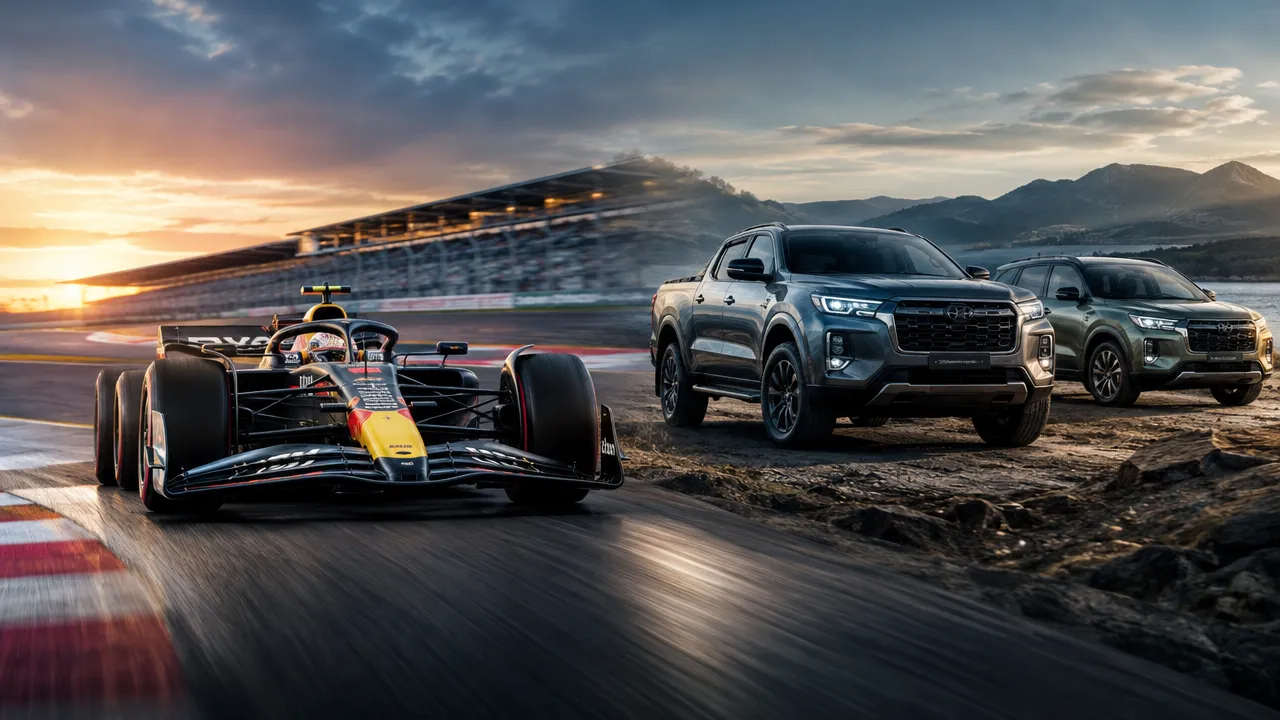
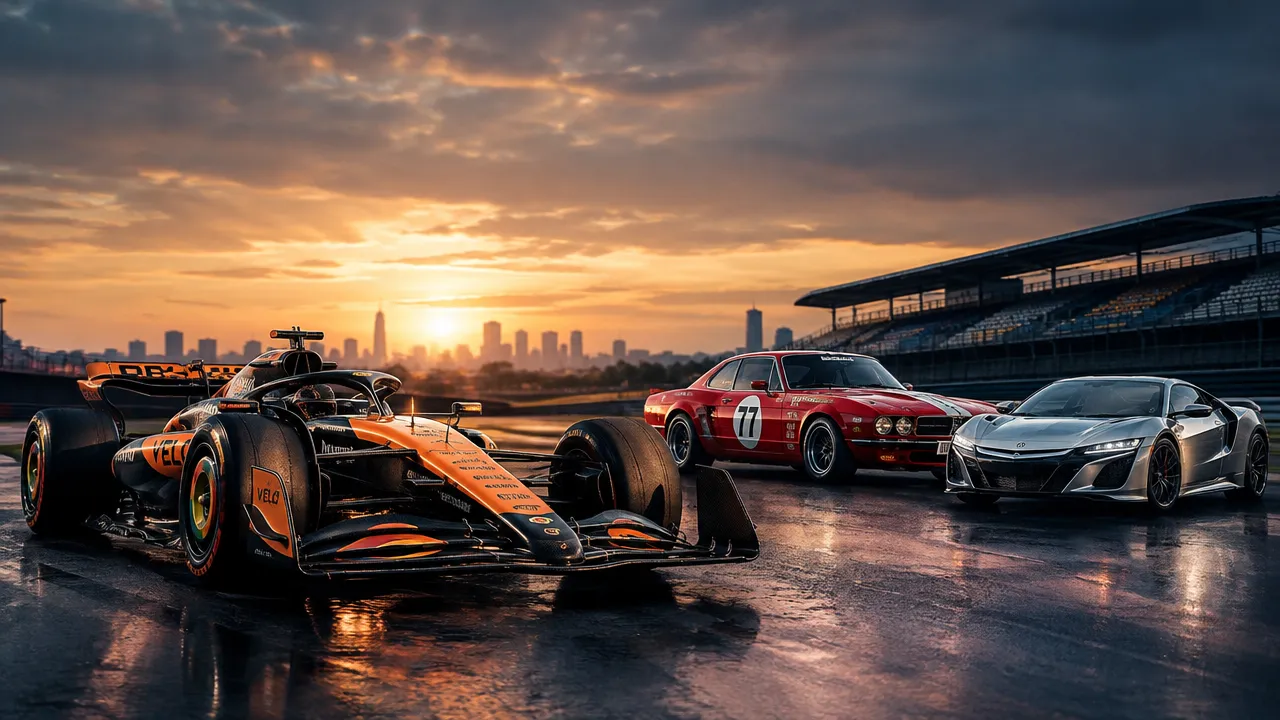
Kimi Antonelli’s performance at Silverstone was nothing short of spectacular. The young Italian driver secured his fifth pole position of the season and then went on to win the Sprint race, outlasting the legendary Lewis Hamilton in a thrilling 17-lap battle. This victory not only marks a historic moment as F1’s youngest Sprint winner but also highlights the increasing competitiveness and maturity of the younger generation in the sport. Antonelli’s success is a testament to the evolution of Formula 1, where raw speed, tactical brilliance, and mental fortitude are more important than ever. Meanwhile, Oscar Piastri battled through difficult conditions to qualify eighth, showing resilience and adaptability that could prove crucial in the championship fight ahead. Mercedes, for their part, maintained their flawless qualifying streak, reinforcing their status as the team to beat in 2026.
Electric SUVs Go Head-to-Head in a Power Battle
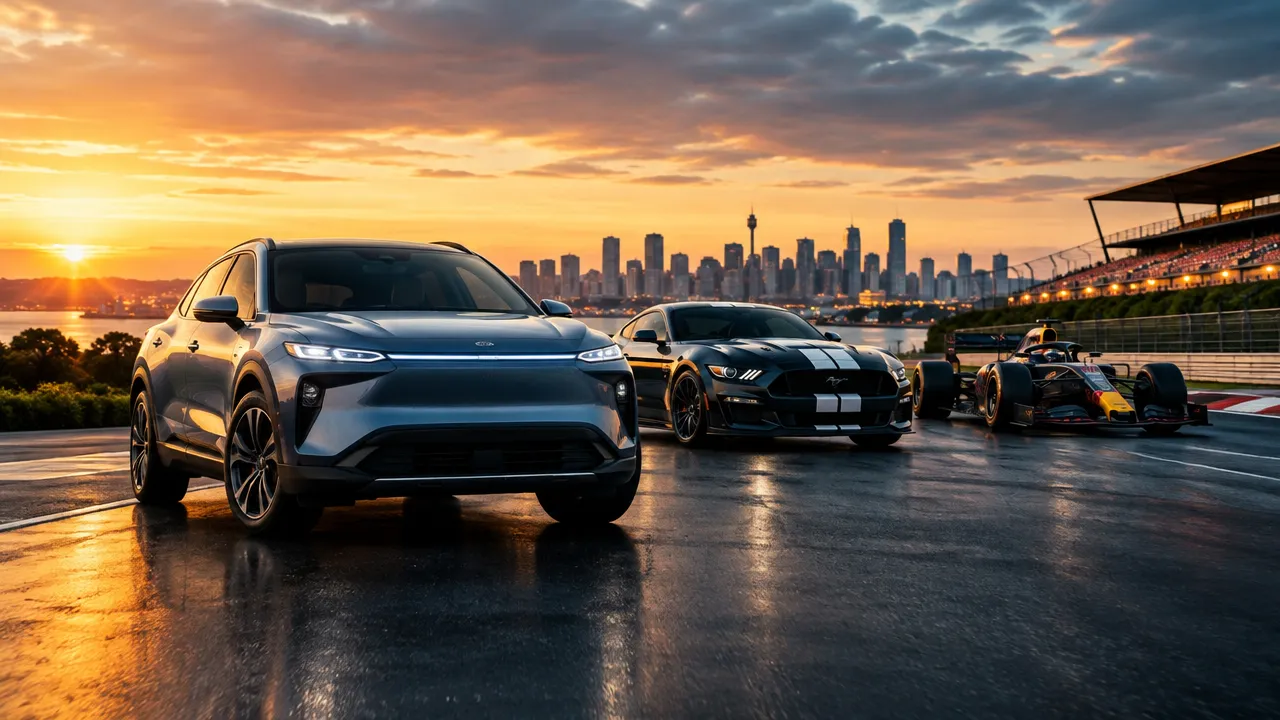
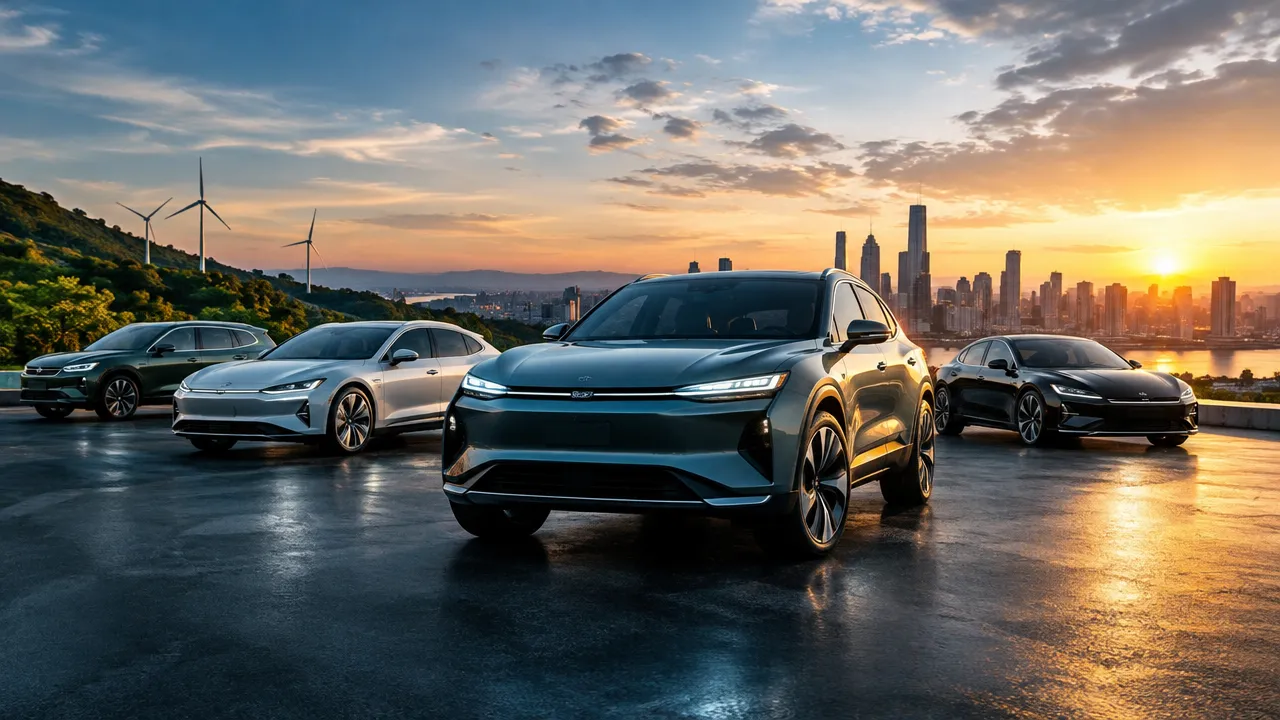
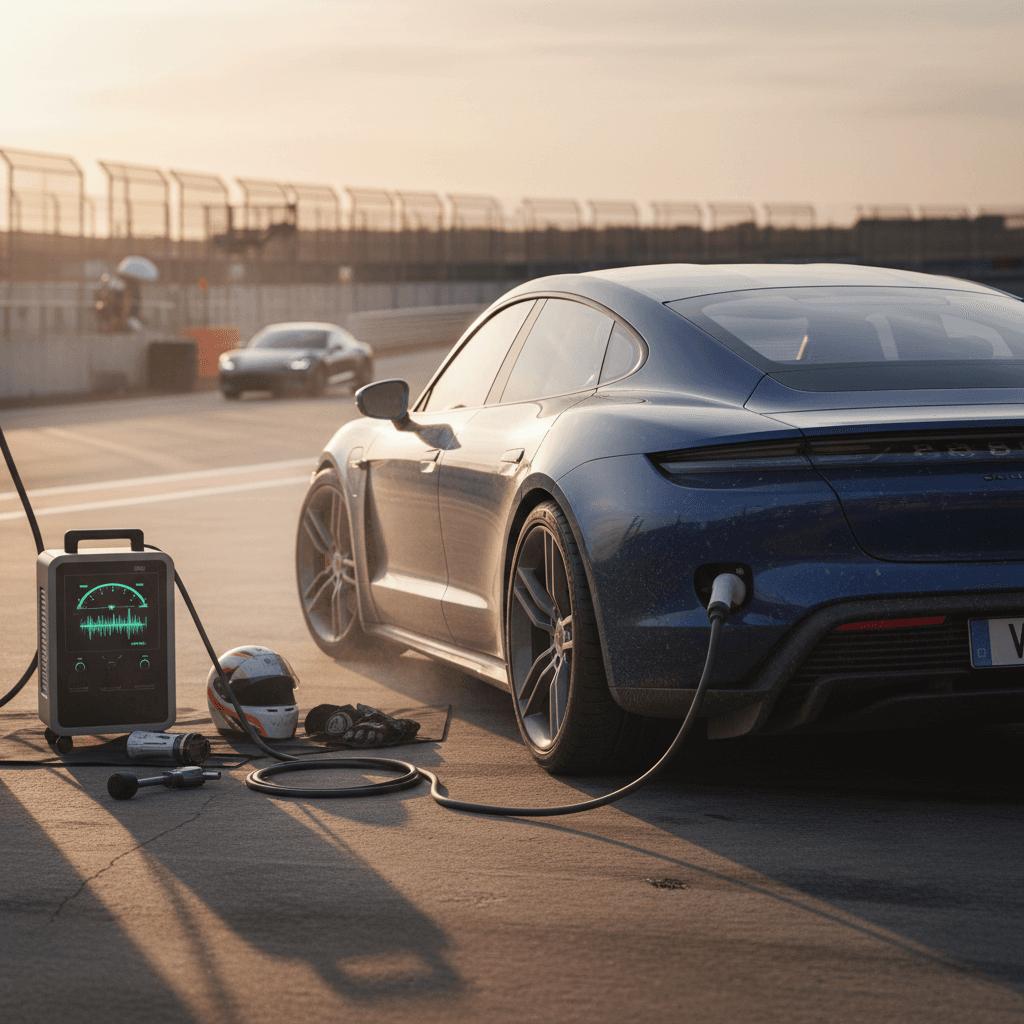
The electric vehicle segment continues to evolve at a breakneck pace, and this week’s news is a clear indicator of that. AMG has unveiled an electric SUV with an impressive 1,153 horsepower, ready to challenge the Porsche Cayenne EV in the premium SUV market. This isn’t just about speed—it’s about redefining what an electric SUV can do, combining performance with practicality. On the other end of the spectrum, China’s GAC Aion UT is offering affordable electric mobility at just $23,000, making EVs accessible to a broader audience. Ford’s Ranger PHEV is also making headlines by matching the power output of a job-site generator while consuming significantly less fuel, signaling a shift in how we think about utility vehicles. These developments reflect a growing trend: EVs are no longer just eco-friendly or luxury options—they’re becoming serious performance machines and practical tools for everyday life.
Global Collaboration and Market Shifts
Volkswagen’s potential move to sell Chinese-developed models in Europe is a significant development in the global automotive landscape. It indicates a shift in how brands are approaching collaboration, especially in the face of changing market demands and the push for electrification. As automakers look to streamline production and reduce costs, partnerships with Chinese manufacturers could become more common. This move also highlights the growing influence of China in the global automotive industry, especially in EV technology and innovation. Meanwhile, Jaguar dealers are still clearing out over 900 unsold vehicles from last year, despite the arrival of a new model this fall. This situation reflects the challenges many manufacturers face in managing inventory and adapting to shifting consumer preferences in a fast-evolving market.
The Rise of DIY Culture and Gen Z's Automotive Confidence
An interesting cultural shift is emerging in the automotive world, particularly among Gen Z. TikTok is full of DIY car tutorials, and young enthusiasts are more confident in their ability to tackle repairs and modifications themselves. This trend contrasts sharply with older generations, who often view car maintenance as a complex and intimidating task. As more people gain access to online resources and tools, the idea of self-reliance in car ownership is gaining traction. It’s not just about saving money—it’s about empowerment and understanding. This cultural change could have a profound impact on how car manufacturers market their products and how dealerships operate in the future.
Conclusion: What It All Means for Car Enthusiasts
As we reflect on this week’s automotive news, it’s clear that the industry is at a crossroads. Young drivers are rising to the top, EVs are becoming more powerful and affordable, and global collaboration is reshaping how brands operate. For car enthusiasts, these developments mean more choice, more performance, and more innovation. Whether you’re a fan of Formula 1, an EV enthusiast, or someone who enjoys tinkering with their car, the automotive world is offering something new and exciting every day. The future is electric, collaborative, and more accessible than ever before.