Kirkwood's IndyCar Win, Factory Robots, and the Future of Luxury SUVs
The automotive world is spinning at a breakneck pace this Monday, August 24, 2026, with developments across racing, manufacturing, and vehicle launches. It’s not just about the latest electric SUV or flashy Formula 1 updates—this week’s headlines paint a picture of an industry in transition, balancing innovation with tradition. From a surprising IndyCar victory that shifts championship dynamics to humanoid robots making their debut on factory floors, we’re seeing bold moves from both motorsports and automakers alike. Meanwhile, luxury carmakers are pushing boundaries with new electric crossovers, while more affordable hybrid models raise questions about value and design priorities. It’s a complex mix of speed, automation, and style that promises to shape the next chapter in automotive history.
Kirkwood Shakes Up IndyCar Championship with Washington Victory
In an unexpected turn of events, Kyle Kirkwood claimed his first IndyCar victory at the Washington D.C. race, significantly reducing Alex Palou’s championship lead. The win not only marked a major career milestone for Kirkwood but also injected fresh life into the championship battle. As the series moves toward its final races, this result adds a new layer of intrigue to the title fight, especially with Palou’s lead now considerably narrower. In contrast, Lando Norris secured his second consecutive Dutch Grand Prix victory in Formula 1, further cementing his reputation as a top-tier driver and complicating Max Verstappen’s championship hopes. These victories underscore the growing competitiveness across racing series and highlight how unpredictable the season has become.
Factory Automation Meets Reality: Human Workers Still Outperform Robots
While automakers like BMW, Hyundai, Mercedes-Benz, and Tesla are testing humanoid robots on their assembly lines, industry experts remain skeptical about their real-world efficiency. The narrative of automation replacing human labor is far from settled, as these early robotic implementations often fall short in areas requiring nuanced decision-making or fine motor skills. Despite the hype, factory workers continue to outperform machines in many scenarios, particularly when flexibility and adaptability are required. While robots may excel in repetitive tasks, they're not yet ready to fully replace human ingenuity and problem-solving on the production floor. The future of automotive manufacturing likely lies in collaboration—where robots enhance human capabilities rather than replace them entirely.
Luxury SUVs Get Electric Makeovers, But Are They Worth It?
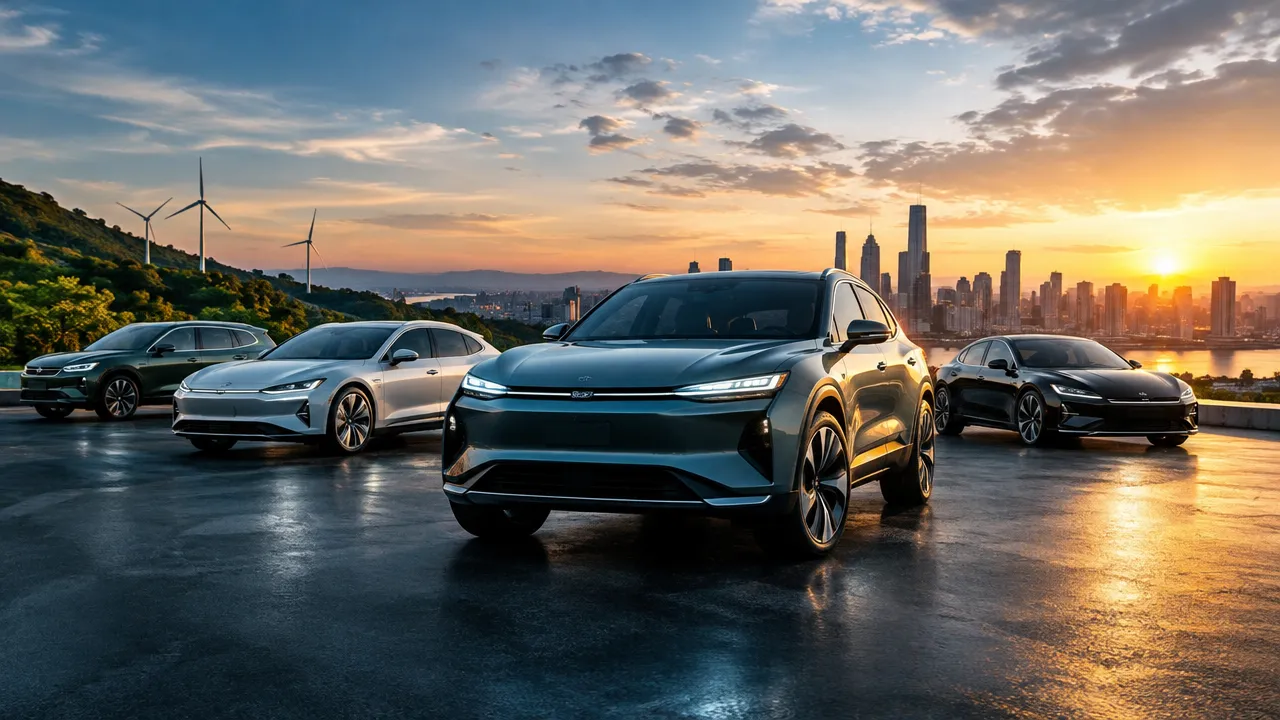
The luxury SUV market continues its electrification push, with Land Rover unveiling its new electric Range Rover GT. This sedan-like crossover is designed to appeal to buyers seeking both style and sustainability, though some experts believe it may split consumer opinions due to its unconventional design. Meanwhile, Jeep’s 2027 Compass e-Hybrid brings rugged styling to the electric realm but has faced criticism for its value proposition—especially when compared to more affordable alternatives in the same segment. Mazda’s CX-60 P50e GT also joins the plug-in hybrid fray, though it has been met with skepticism due to its underwhelming powertrain and lackluster performance. While electrification is undeniably part of the future, these models raise important questions about whether consumers are getting enough value for their investment in eco-friendly vehicles.
Motorsports Parity on the Horizon as Supercars Prepare for Change
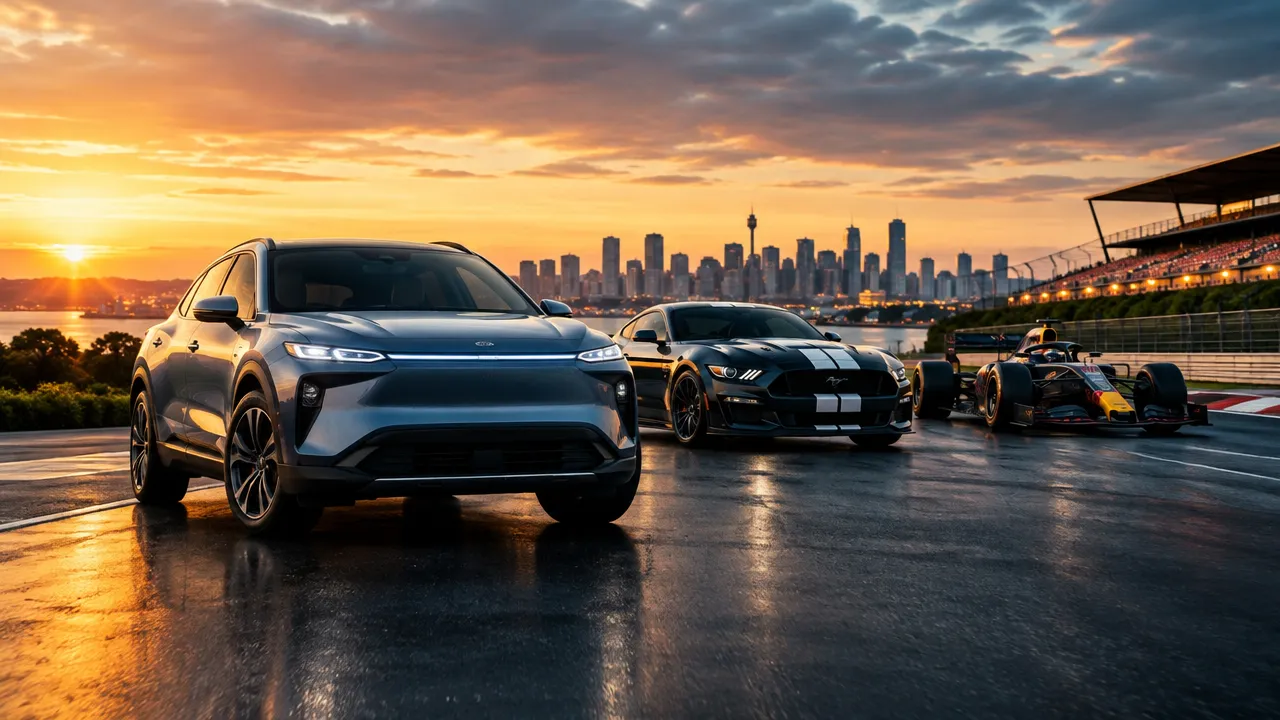
Supercars racing is set to enter a new phase with Team 18 anticipating fresh parity after Ford’s Mustang dominance at Ipswich. The Australian racing series has long been defined by its competitive balance, but recent performances have tilted toward Ford’s high-powered muscle cars. This shift could signal a broader change in the championship’s dynamics, especially if other manufacturers begin to close the gap. For fans of the series, it means more unpredictable outcomes and a renewed sense of excitement as rival teams gear up for a more balanced season ahead.
What It All Means for Car Enthusiasts
As we navigate through these developments, one thing is clear: the automotive landscape is evolving rapidly. From IndyCar’s thrilling races to the ongoing debate about automation in manufacturing, enthusiasts are witnessing an industry that’s both embracing innovation and staying true to its core values. Whether it's a new electric crossover or a robot on the factory floor, each development shapes how we think about cars—and what comes next.
The future of automotive excellence lies not just in performance but in the balance between technology, tradition, and consumer needs. As these stories unfold, one thing remains certain: car lovers around the world are in for an exciting ride.