Nostalgia Meets Innovation: Lada's Niva Revival, Dodge's Hidden Gem, and Australia's EV Boom
The automotive world is a curious place where the past and future collide in unexpected ways. Today, we're witnessing a fascinating blend of retro revival and forward-thinking innovation, as manufacturers look to the past for inspiration while pushing the boundaries of what's possible. From a forgotten Dodge Challenger with a Mitsubishi badge to a promising Lada Niva successor, the industry is showing that there's still room for old-school charm in a world increasingly dominated by electric powertrains. Meanwhile, Australia's political and automotive landscape is shifting dramatically, with the country's leader expressing strong support for EV development and major automakers like BYD ramping up production to meet surging demand. This is more than just a collection of headlines—it's a snapshot of an industry in flux, where tradition and transformation dance together in the spotlight.
Lada's Niva Successor: A Return to Roots
Lada has officially revealed patent images of its new Niva successor, a vehicle that many thought had been shelved for good. The images show a modern interpretation of the iconic off-road truck, with updated styling cues and contemporary technology integrated into the design. This move is particularly interesting given the Niva's storied history and its role in bringing affordable, rugged vehicles to markets around the world. The new model is expected to retain the original's utilitarian spirit while incorporating modern safety standards and comfort features. For enthusiasts, this represents more than just a new vehicle—it's a continuation of a legacy that's been central to the automotive landscape for decades. The Niva's influence on global design and engineering has been significant, and its return could signal a renewed interest in affordable, capable vehicles that can handle both city streets and challenging terrain.
Dodge's Forgotten Challenger Reappears at Auction
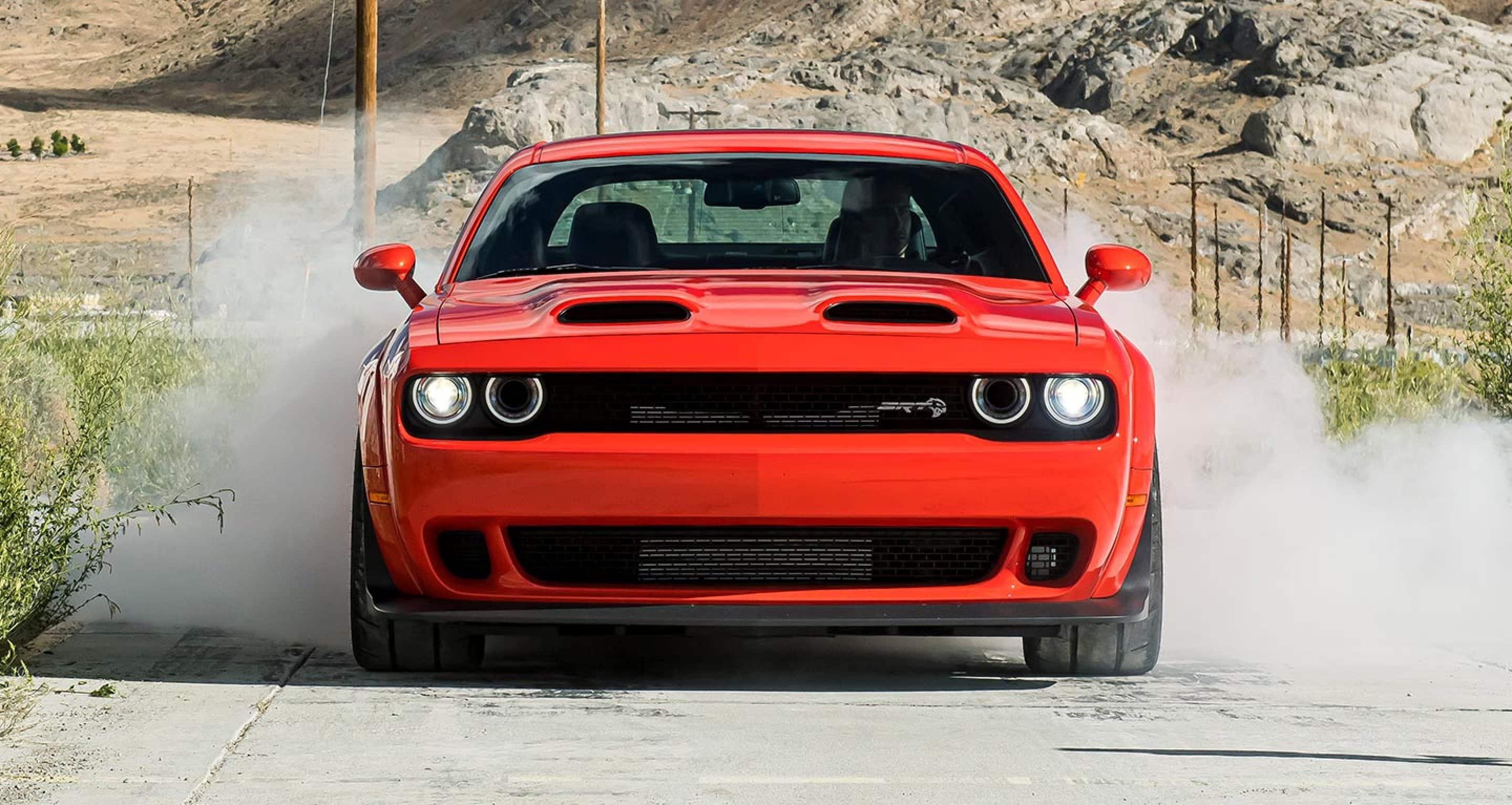
In a surprising twist, a Dodge Challenger that was meant to be rebadged as a Mitsubishi has resurfaced at auction, complete with its original Mitsubishi badges and 105 horsepower output. This vehicle serves as a reminder of how automotive partnerships and rebranding strategies can sometimes be abandoned in favor of more profitable or strategic moves. The Dodge Challenger, with its muscle car heritage, was a significant part of American automotive culture, and seeing it in this form—rebranded and perhaps forgotten—adds a layer of intrigue to its story. For collectors and enthusiasts, such finds are like uncovering hidden gems in the automotive world. This particular Challenger's history speaks to the complex and sometimes convoluted nature of the global automotive market, where vehicles often take unexpected paths before finding their way to collectors or enthusiasts.
Australia's EV Boom: Prime Minister's Vision
Australia's Prime Minister Anthony Albanese has made it clear that the country is poised to become a major player in the electric vehicle market, with plans to support EV manufacturing within the nation. This is a significant shift from previous positions, as Australia has historically been more focused on coal and oil exports. BYD's shipment of nearly 5,000 EVs and PHEVs to Australia shows the growing demand for electric vehicles in the country, and the government's support could accelerate this trend. For Australian car enthusiasts, this means more choices in the future, with the potential for local production of electric vehicles that are tailored to the country's unique driving conditions and preferences. The move toward EVs also reflects a global shift in consumer behavior, as more people recognize the environmental and economic benefits of electric mobility.
BMW's Motorsport-Inspired M Cars and Ferrari's V8 Revival
BMW is bringing motorsport technology into its M cars to extend the life of petrol power, a strategy that shows how manufacturers are trying to make traditional engines more efficient and relevant in the face of electrification. This approach could be a bridge between the old and new, allowing enthusiasts to enjoy high-performance petrol engines while meeting stricter emissions standards. Meanwhile, Ferrari's decision to bring back its non-hybrid V8 for a special commission is a bold statement about the enduring appeal of naturally aspirated engines. For car enthusiasts, these developments are reminders that there's still a strong demand for traditional performance and the emotional connection that comes with driving powerful, naturally aspirated engines. The contrast between BMW's tech-forward approach and Ferrari's nostalgic return to pure performance highlights the diversity of strategies that manufacturers are employing to stay relevant.
Luxury Segment Evolution: BMW 8-Series Shooting Brake and Ford Bronco Premium
The luxury segment is also seeing exciting developments, with BMW testing its $580,000 8-Series Shooting Brake at the Nürburgring for 2027 deliveries. This vehicle represents the pinnacle of BMW's engineering capabilities, combining luxury with performance in a unique body style. The Shooting Brake, with its elegant proportions and advanced features, is likely to attract buyers who appreciate both practicality and exclusivity. Ford's introduction of a premium Bronco variant inspired by Subaru's L.L. Bean approach to rugged luxury shows how the brand is expanding its reach into the premium SUV market. This approach emphasizes outdoor lifestyle and comfort, appealing to consumers who want the utility of an off-road vehicle without sacrificing the comfort and style of a luxury car. These developments indicate that the luxury market is evolving to meet changing consumer preferences, with a blend of performance, comfort, and lifestyle features.
Industry Context: Balancing Tradition and Transformation
The automotive industry is in a unique position, balancing the demands of tradition and transformation. While electric vehicles are becoming more prevalent, there's still a strong market for traditional performance vehicles, particularly among enthusiasts who value the emotional connection that comes with driving. The strategies employed by manufacturers like BMW and Ferrari show that there's room for both approaches, with some companies focusing on improving existing technologies and others embracing nostalgia for classic designs. The return of the Lada Niva and the resurgence of the Dodge Challenger with Mitsubishi badges highlight how the industry often revisits successful designs, adapting them for modern times. Meanwhile, Australia's shift toward EVs demonstrates how global markets are responding to environmental concerns and changing consumer preferences, with governments playing a crucial role in shaping the future of mobility.
What This Means for Car Enthusiasts
For car enthusiasts, today's automotive developments represent a diverse and exciting landscape. There's a growing appreciation for vehicles that blend nostalgia with modern technology, whether it's the Lada Niva successor or the premium Bronco variant. The EV boom in Australia and the industry's response to it shows that the future isn't just about electric vehicles, but also about how these new technologies can be integrated with traditional performance. The continued development of high-performance petrol engines, as seen with BMW and Ferrari, ensures that enthusiasts will still have access to powerful, emotionally engaging vehicles. Ultimately, this mix of innovation and tradition ensures that the automotive world will continue to evolve in ways that both surprise and delight enthusiasts, offering new opportunities to explore and enjoy the vehicles they love.