Lexus, Hyundai, and the Future of Electric SUVs: What's Happening in the Automotive World Today
The automotive world is in a state of constant flux, and this Thursday, May 7, 2026, brings a fresh wave of announcements that are reshaping expectations for both luxury and performance electric vehicles. From the high-end luxury segment to the emerging world of high-performance EVs, today’s headlines showcase a clear industry direction—electrification is no longer a future concept but a present reality. The latest models, strategic brand moves, and even cybersecurity concerns are all part of a larger narrative about how automakers are adapting to consumer demand, regulatory changes, and global market dynamics. As we dive into today’s key stories, it becomes clear that the race to electrify isn’t just about speed—it’s about innovation, brand positioning, and staying ahead in a rapidly evolving landscape.
Lexus Unveils Flagship 2027 TZ Electric SUV
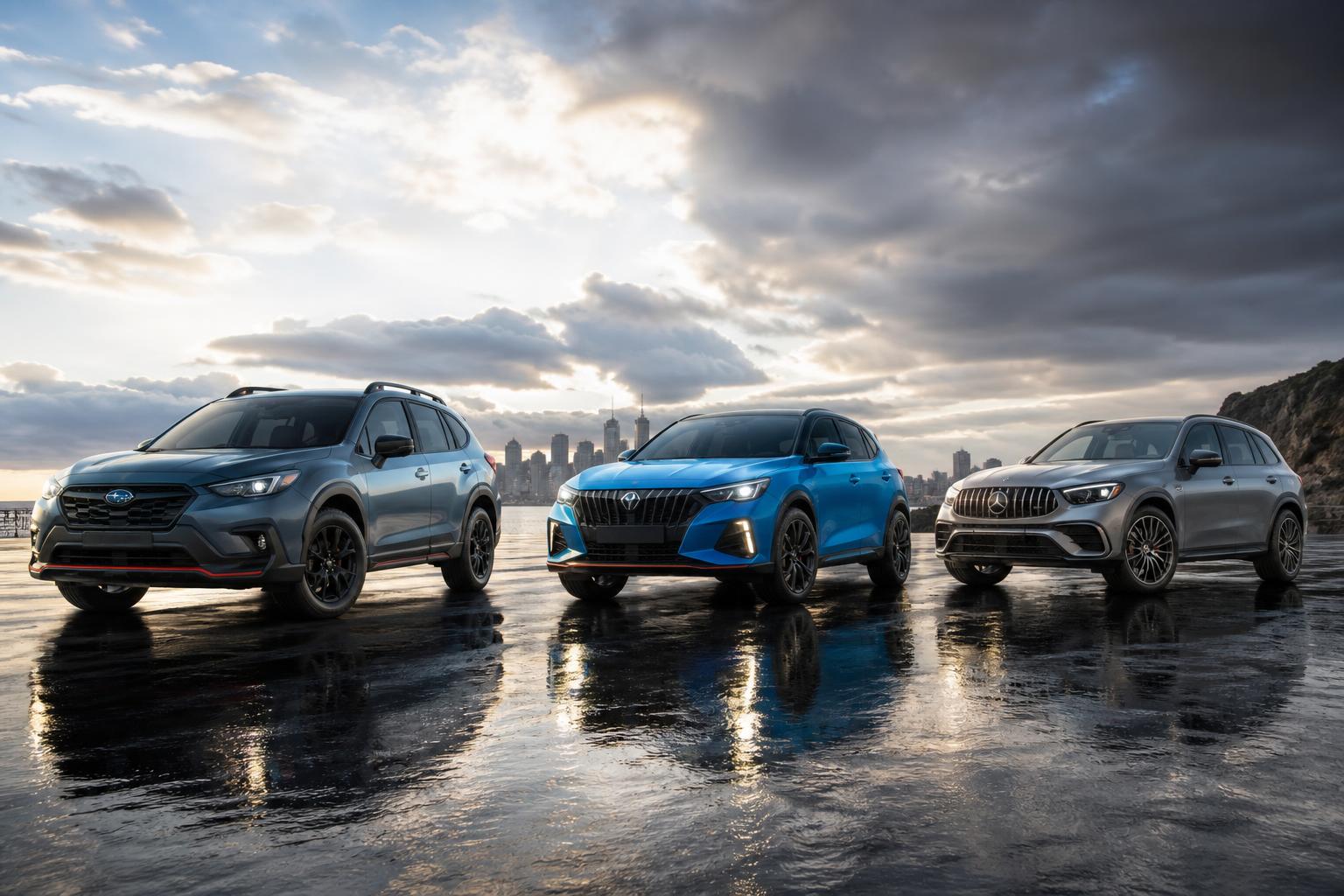
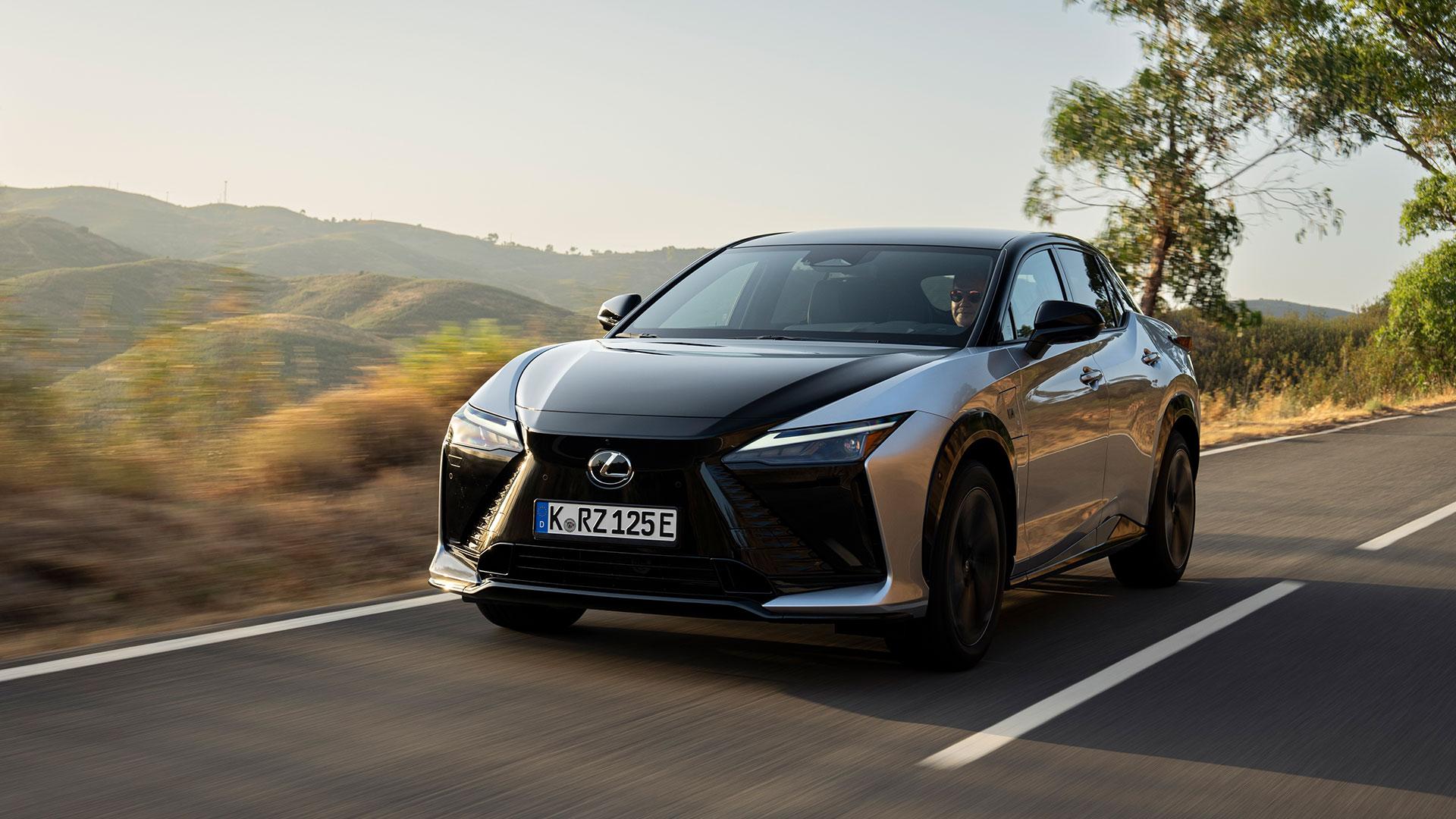
Lexus has made a bold move into the electric SUV space with the reveal of its 2027 TZ three-row electric SUV. This isn’t just another EV—it’s a statement of intent from a brand that has long been synonymous with luxury and refinement. The TZ is positioned as the pinnacle of Lexus’s electric strategy, combining the comfort and sophistication that the brand is known for with the practicality and range that modern consumers demand. With a focus on premium materials, advanced infotainment systems, and a refined driving experience, the TZ is likely to set new standards for luxury electric vehicles in the coming years. It’s a strategic play by Lexus to not only compete in the growing EV market but to reinforce its status as a leader in the luxury segment.
Hyundai’s Ioniq 6 N Makes a Statement in Performance EVs
Meanwhile, Hyundai’s Ioniq 6 N is making waves in the high-performance EV segment. This electric version of the Ioniq 6 is designed for drivers who want more than just range and efficiency—they want raw performance and an engaging driving experience. The Ioniq 6 N is built with a focus on handling, acceleration, and aerodynamics, making it a serious contender in the electric sports car space. With its bold design, advanced battery technology, and impressive performance specs, the Ioniq 6 N is a clear indication that Hyundai is serious about carving out a niche in the high-performance EV market. It’s also a testament to how quickly electric vehicles are evolving from being seen as merely eco-friendly to being recognized as capable, thrilling machines.
Cybersecurity Concerns in the Chinese EV Market
As the global EV market expands, so do the concerns around cybersecurity, particularly in the Chinese automotive sector. Zeekr, a Chinese EV brand, has been addressing these concerns head-on by enhancing its cybersecurity protocols and transparency. The move is significant, as it reflects a growing awareness in the industry of the vulnerabilities that come with connected vehicles. As more automakers integrate advanced software and connectivity features into their EVs, the need for robust cybersecurity measures becomes paramount. Zeekr’s response not only helps to build trust with consumers but also sets a precedent for the industry as a whole to prioritize digital safety.
Nissan’s V6 Engine Strategy Amid Electrification
While many automakers are fully embracing electrification, Nissan is taking a different approach by doubling down on V6 engines. This strategy seems to be a response to market trends and consumer preferences that still value performance and fuel efficiency in certain segments. By continuing to invest in V6 engines, Nissan is signaling that it’s not ready to abandon traditional powertrains just yet. However, it’s also clear that the company is not ignoring the electric future—Nissan is likely balancing its current offerings with future EV plans, ensuring that it remains competitive across all market segments.
Racing and Engineering Developments
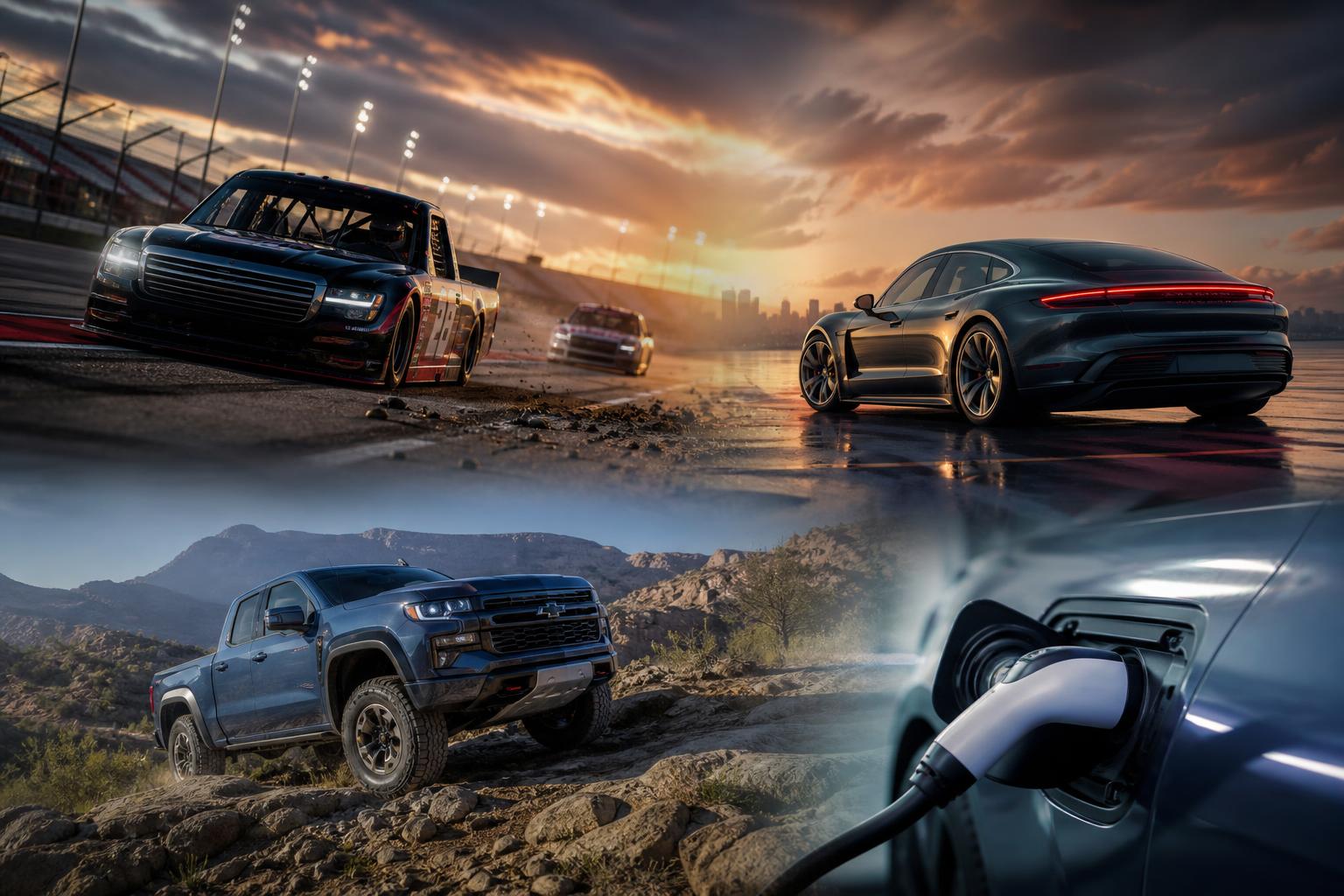
The racing world is also making headlines this week, with Shane van Gisbergen’s NASCAR triple-header and Jack Doohan’s Le Mans debut drawing attention. These events highlight the increasing importance of motorsport in shaping automotive innovation and brand visibility. Additionally, GWM’s move to establish an Australian engineering hub following the sale of the former Holden proving ground underscores the global nature of automotive development. It’s a reminder that the industry is not just about manufacturing vehicles but also about building global engineering capabilities and staying connected to the evolving needs of consumers.
Hyundai’s 2027 Tucson and i30 Sedan Updates
Hyundai is also rolling out updates to its 2027 Tucson and i30 Sedan, reflecting the brand’s commitment to continuous evolution. These updates are not just about aesthetics—they’re about integrating the latest technology, improving efficiency, and ensuring that these models remain competitive in a crowded market. The changes in these models are a clear indicator of how automakers are adapting their existing lineups to meet the demands of a changing automotive landscape, where electrification and digital innovation are becoming standard.
The Bigger Picture: Electrification, Performance, and Market Strategy
The news from today’s automotive world paints a clear picture of an industry in transition. On one hand, we see luxury brands like Lexus pushing the boundaries of what electric vehicles can offer in terms of comfort and prestige. On the other, performance-focused models like the Ioniq 6 N are proving that EVs can be thrilling to drive. Meanwhile, concerns about cybersecurity and the strategic decisions made by automakers like Nissan show that the path forward isn’t straightforward. As the industry continues to evolve, the key will be how automakers balance innovation with practicality, performance with sustainability, and tradition with the future. These developments are not just about new models—they’re about how the entire industry is redefining what it means to drive in the 2020s and beyond.
What This Means for Car Enthusiasts
For car enthusiasts, today’s developments mean that the automotive world is more exciting and dynamic than ever. Whether you’re drawn to the luxury of electric SUVs, the thrill of high-performance EVs, or the practicality of traditional engines, there’s something for everyone in this evolving landscape. The industry is no longer just about choosing between fuel and electric—it’s about choosing the right blend of performance, comfort, and innovation that suits your lifestyle. As we continue to see bold moves from brands like Lexus, Hyundai, and others, one thing is clear: the future of driving is not just electric—it’s diverse, dynamic, and full of possibilities.