Lotus V8 Revival, Mercedes Nurburgring Triumph, and China's Auto Ascendancy
The automotive landscape is shifting in unexpected ways this Monday, May 18, 2026, as traditional powerhouses and emerging players alike make bold moves that could redefine the industry’s trajectory. From a legendary British brand embracing its V8 heritage to a German automaker finally breaking a long-awaited victory streak, the day’s headlines are packed with moments that speak to both nostalgia and innovation. Meanwhile, China’s influence on global automotive trends continues to grow, with homegrown brands outpacing international rivals in key markets. It’s a fascinating mix of old-school motorsport spirit and modern technological prowess that promises to keep car enthusiasts engaged for weeks to come.
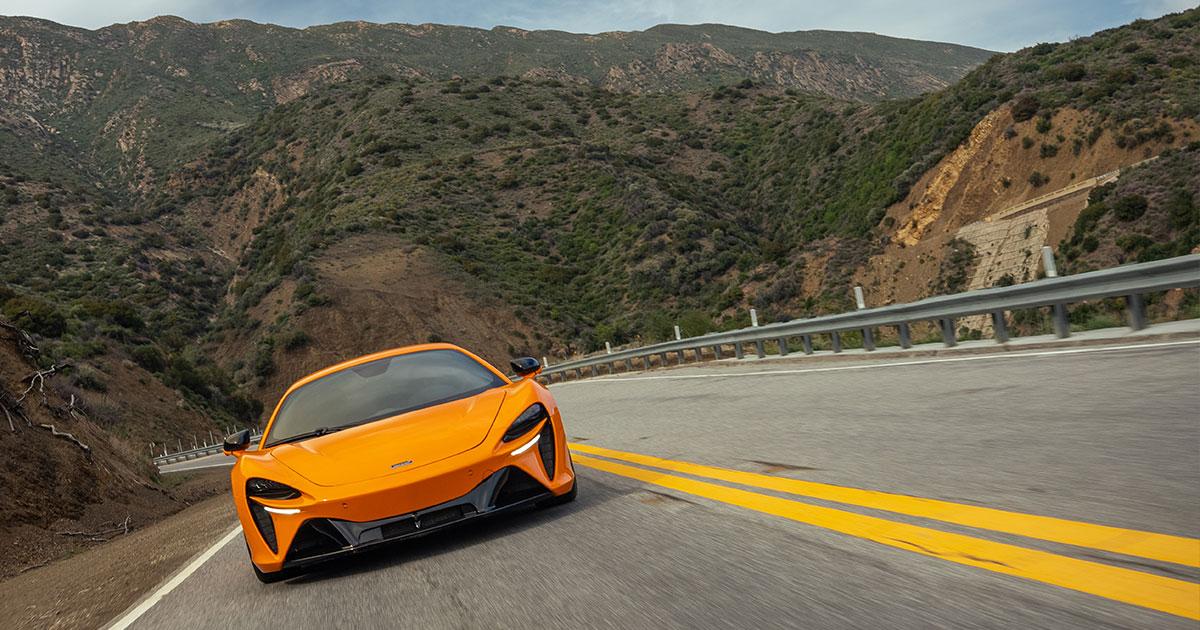
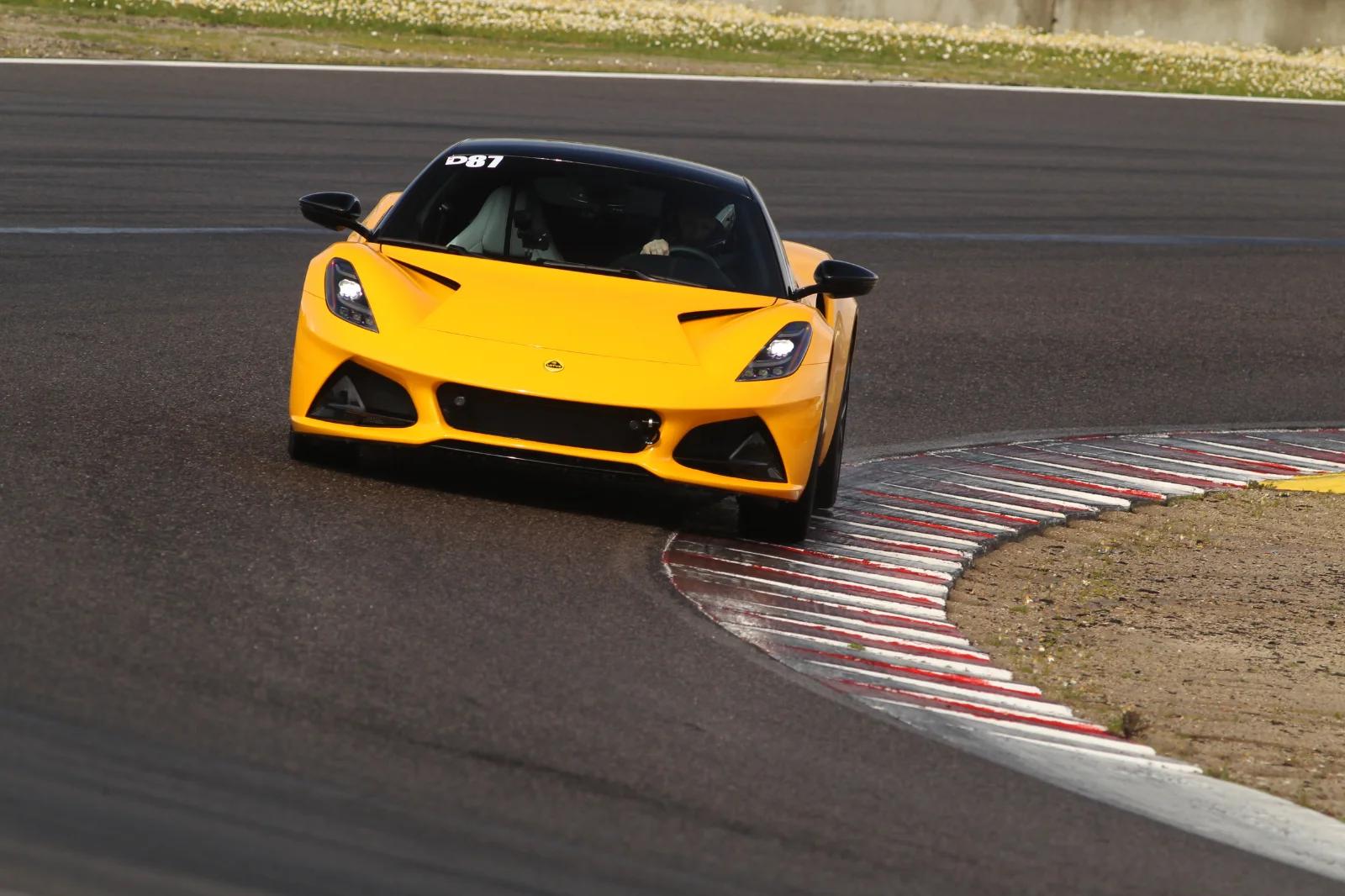
The return of the V8 engine is one of the most surprising announcements of the week, as Lotus announces it will revive its legendary V8 powertrains for a new supercar. This marks a dramatic departure from the brand’s recent electric-only strategy, signaling a renewed focus on traditional performance and driving dynamics. While many manufacturers are moving toward electrification, Lotus appears to be betting on the visceral thrill of a naturally aspirated V8, appealing to purists and collectors who crave the raw sound and feel of high-performance engines. The move also suggests that there’s still a strong market for this type of driving experience, even in an era dominated by electric vehicles.
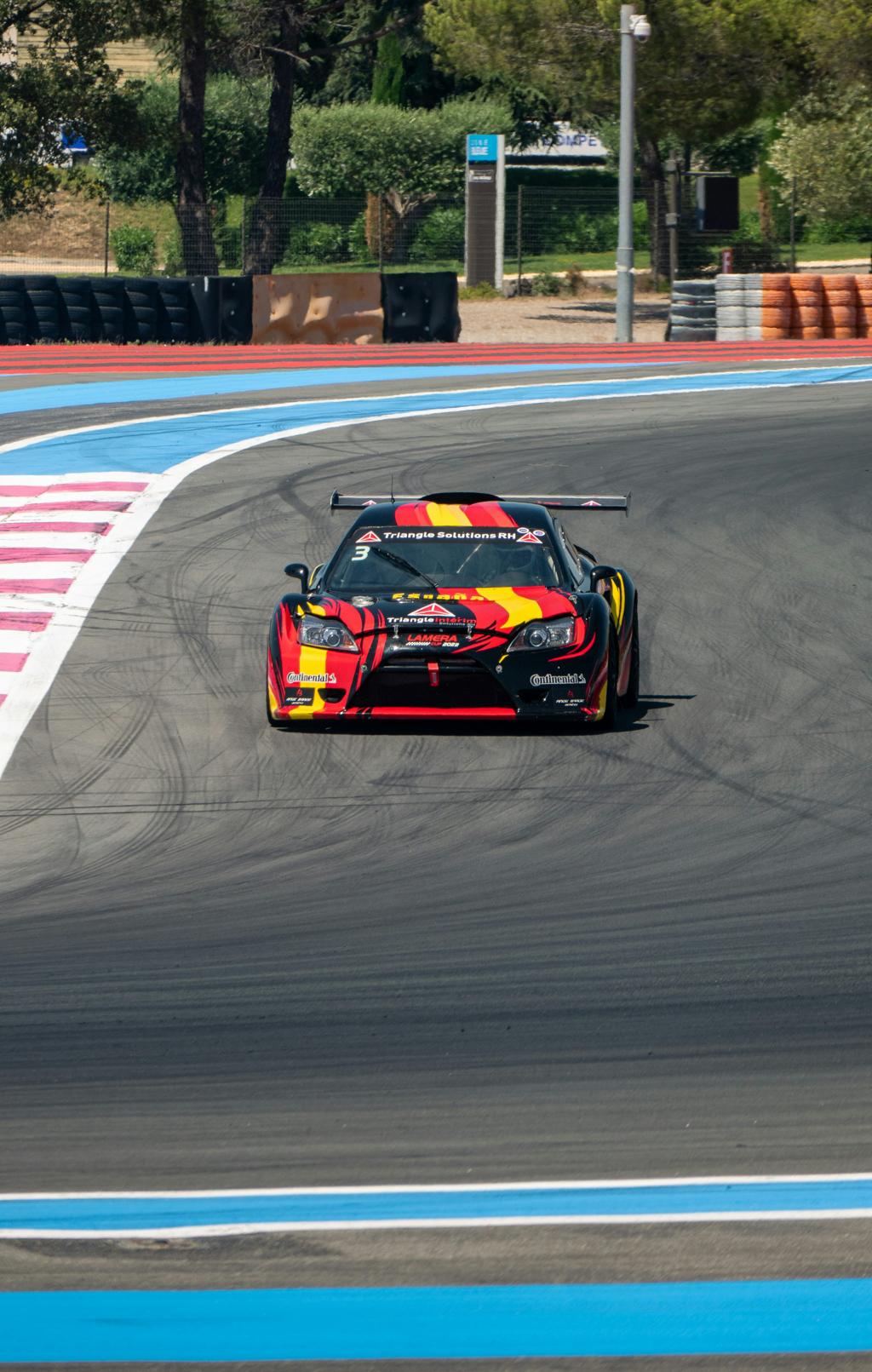
Mercedes-Benz has also made headlines by finally ending a decade-long drought at the Nurburgring 24 Hours, securing a dominant win that marks a major milestone in the brand’s motorsport history. After years of near-misses and frustration, the German automaker’s victory underscores its commitment to endurance racing and high-performance engineering. This win not only boosts Mercedes' reputation in motorsport but also reinforces the importance of real-world testing and validation in the development of road-going performance vehicles. It’s a reminder that, despite the electric revolution, the spirit of competition remains as strong as ever.
Stellantis, Honda, and the Changing Face of Sedan Sales
Stellantis is making a strategic return to Chinese manufacturing with Jeep and Peugeot models destined for export, signaling a renewed interest in the Chinese market and a recognition of its importance in the global automotive ecosystem. This move could be seen as part of a broader effort to diversify supply chains and capitalize on China’s growing influence in the automotive world. Meanwhile, Honda is reimagining the Accord sedan as a high-riding SUV-inspired model, a response to declining sedan sales and shifting consumer preferences. This transformation reflects a broader industry trend where sedans are being rebranded as crossovers or SUVs to meet changing demand.
Huawei and BYD’s Rise in China
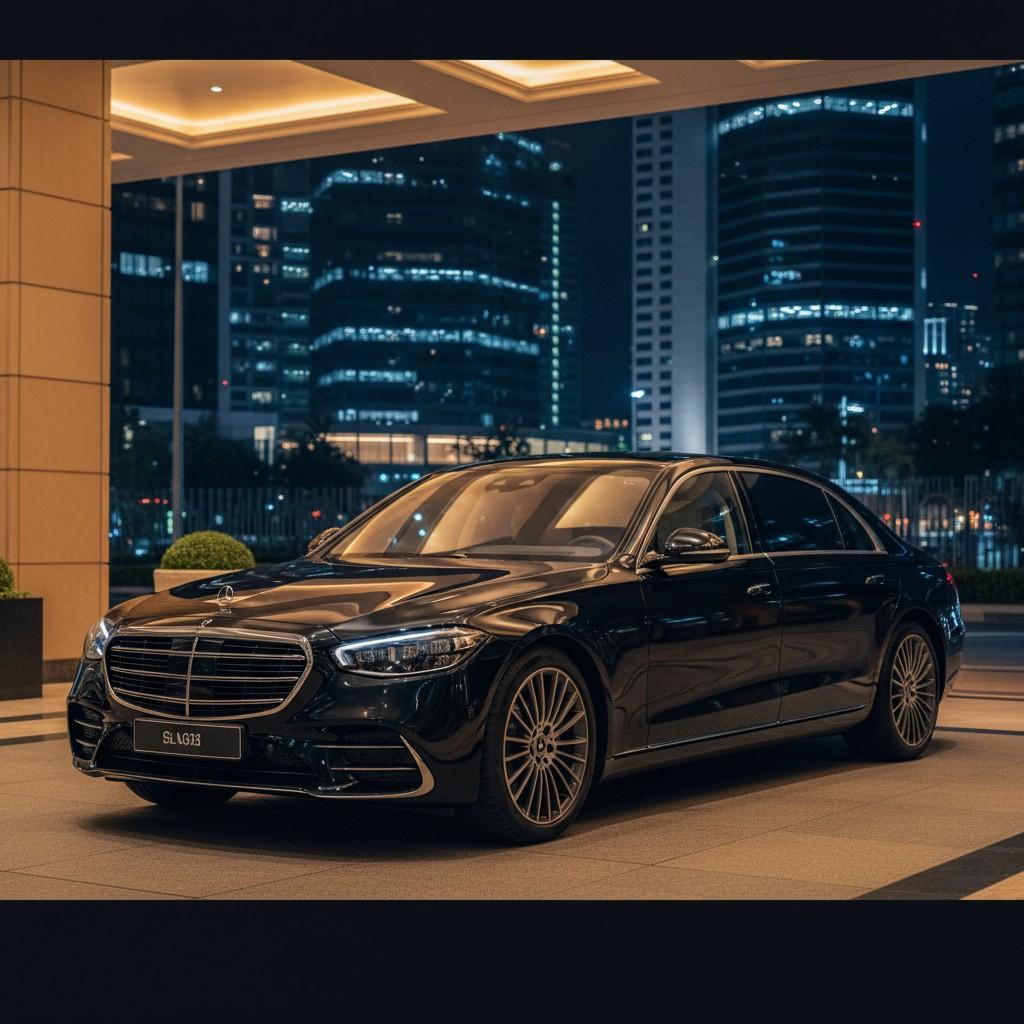
Huawei’s luxury sedan is making headlines in China by outperforming premium German rivals like the Maybach S-Class and BMW 7 Series, a significant achievement for a tech giant entering the automotive space. This success demonstrates that Chinese consumers are increasingly open to new entrants, especially those with strong brand appeal and innovative features. BYD is also expanding its ultra-fast charging technology beyond its flagship Denza Z9 GT in Australia, indicating a global push to make fast charging more accessible and practical for electric vehicle users. These developments highlight how China is not just a market but a major force in shaping the future of automotive technology and innovation.
Off-Road Innovation and Global Market Dynamics
In a different but equally compelling development, a modified Miata is taking on rugged terrain, showing that even the most popular sports cars can be adapted for off-road adventures. This trend speaks to the growing popularity of versatile vehicles that can handle both city driving and outdoor excursions, a demand that’s becoming increasingly important in a world where people seek more lifestyle-oriented transportation options.
Chinese automakers are also gaining ground on Toyota in local markets, a shift that reflects the growing confidence and capabilities of Chinese brands. This trend is not just about sales numbers but also about the quality and innovation that Chinese manufacturers are bringing to the table, challenging the long-standing dominance of Japanese automakers in key regions.
Industry Context and Analysis
The automotive industry is undergoing a major transformation, with traditional boundaries between performance, electrification, and global market dynamics becoming increasingly blurred. Lotus’s V8 revival and Mercedes’s Nurburgring win are not just isolated moments—they’re part of a broader conversation about how manufacturers can balance heritage with innovation. As automakers navigate the transition to electrification, they’re discovering that there’s still a strong demand for traditional performance experiences, especially in niche markets and motorsport.
Meanwhile, China’s growing influence in the global automotive sector is reshaping the competitive landscape. Brands like Huawei and BYD are not just competing with established players but also setting new standards for what a modern luxury vehicle can offer. The success of these Chinese brands is a sign of how global automotive dynamics are evolving, with emerging markets driving innovation and setting trends that eventually influence the rest of the world.
What This Means for Car Enthusiasts
For car enthusiasts, these developments offer a rich tapestry of choices and experiences. Whether it’s the roar of a V8 engine, the thrill of a motorsport victory, or the innovation of a tech-driven luxury sedan, the automotive world is more diverse and dynamic than ever. The shift toward electrification doesn’t mean the end of traditional performance—it just means that manufacturers are finding new ways to deliver excitement and innovation. As China continues to lead in both technology and market share, enthusiasts can expect to see more bold moves and unexpected twists in the months and years ahead.