Lundgaard's Comeback, Stellantis' Cruise Tech, and Toyota's Model Streamlining: Monday's Automotive Headlines
The automotive world continues to unfold with a blend of high-octane racing drama, technological leaps, and strategic shifts that reflect both the industry's passion and its challenges. Monday, June 22, 2026, brings a fresh wave of developments that span from the thrill of a last-lap IndyCar victory to the quiet revolution of driver-assistance systems and corporate restructuring. Whether it's a young driver making a name for himself on the road course or a major automaker reevaluating its product portfolio, the day's headlines offer a fascinating snapshot of where the industry is heading. From the roar of engines on the track to the hum of electric motors in the showroom, today’s news reveals the multifaceted nature of modern automotive culture.
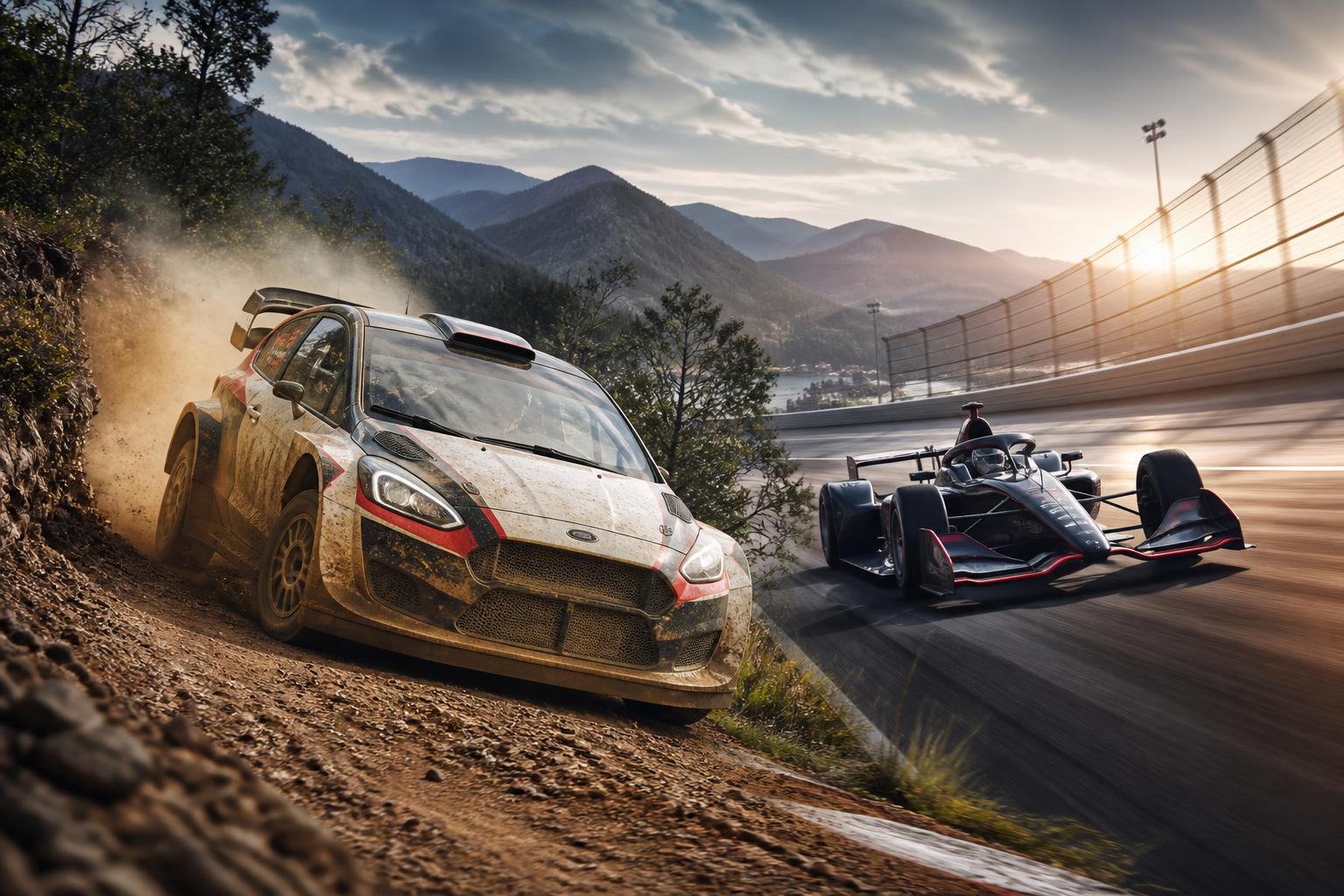
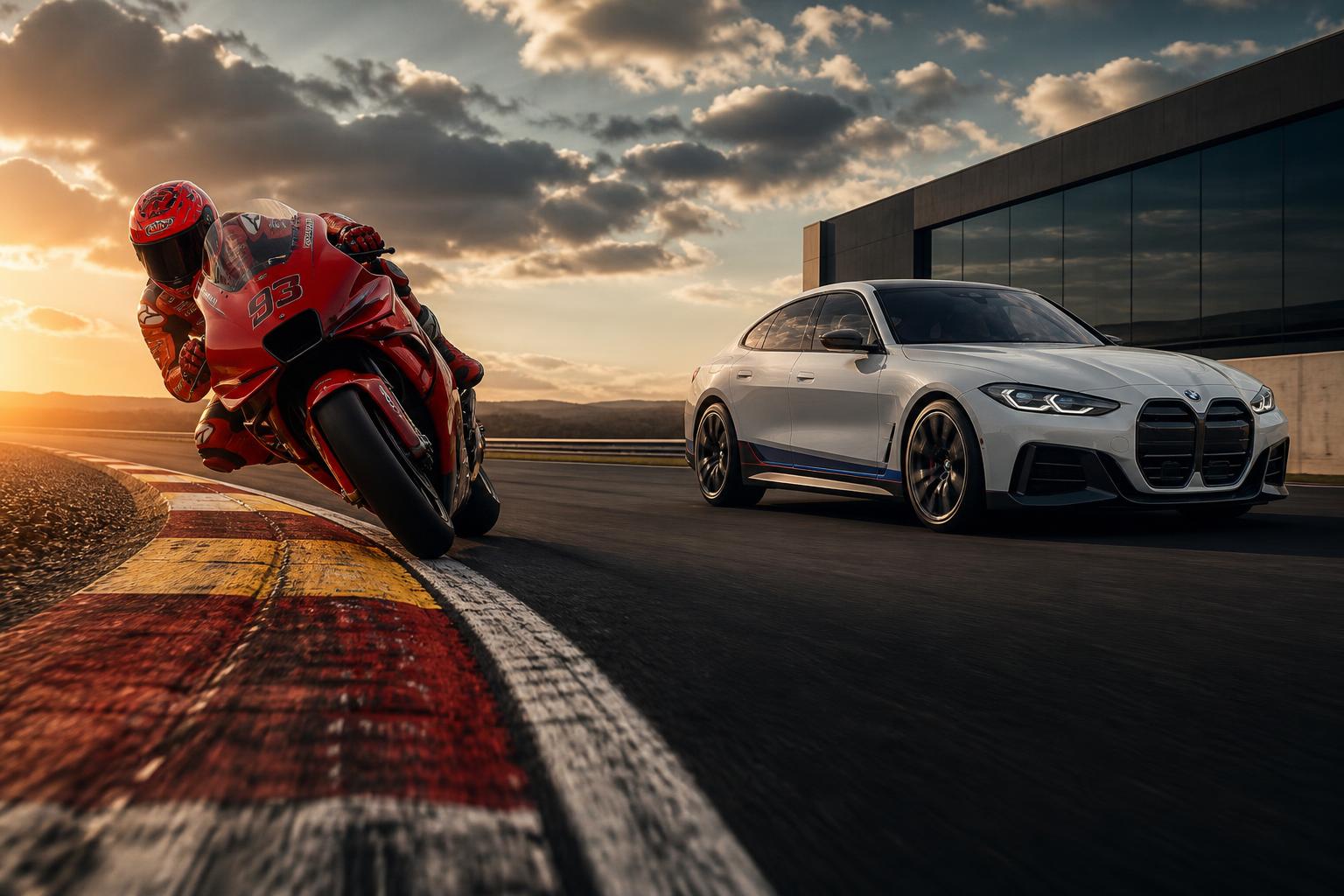
The racing world delivered a standout moment this week, with Christian Lundgaard delivering a stunning comeback win at the XPEL Grand Prix at Road America. The race, which featured chaotic conditions and multiple lead changes, saw Lundgaard battle his way from the back of the grid to claim his first IndyCar victory—a performance that speaks to both skill and determination. His win not only earned him a place on the podium but also demonstrated how unpredictable and exciting the sport can be. In a similar vein, MotoGP saw Marc Marquez secure a double victory at Brno, keeping his championship aspirations alive and reinforcing his status as one of the sport's most compelling figures. These victories, while thrilling in their own right, also highlight how the competitive spirit remains as strong as ever in motorsports, even as the sport evolves with new technologies and changing rules.
Stellantis' Super Cruise and Cadillac's Optiq-V: A Glimpse into the Future of Driving
Stellantis' latest driver-assistance system, Super Cruise, has been making waves with its hands-free active driving capabilities. The system, which has been integrated into several of Stellantis' vehicles, allows drivers to take their hands off the wheel under certain conditions, providing a level of autonomy that’s becoming increasingly common in the modern automotive landscape. The technology is not just about convenience—it's about safety and efficiency, as it aims to reduce human error on the road. Meanwhile, Cadillac's new Optiq-V model showcases a new level of performance and visual appeal, with advanced features that highlight the brand's commitment to innovation. These developments signal a shift in how automakers are approaching the future of driving, where technology and performance are no longer mutually exclusive.
Toyota's Strategic Shift: A New CEO, a New Direction
Toyota's new CEO has made it clear that the company is looking to streamline its model lineup in response to changing market dynamics and profitability concerns. This strategic pivot suggests that Toyota is moving away from its previous approach of offering a wide range of models to focus more intently on core, high-performing vehicles. The decision comes as the company faces increasing competition in the electric vehicle space and a need to optimize its resources. While the Yaris Cross has drawn attention for its lack of competitiveness in the current market, it also serves as a reminder of the challenges that even industry giants face in adapting to a rapidly evolving landscape. Toyota’s move may be a necessary step in ensuring its long-term viability, but it also raises questions about what this means for consumers who value variety in their automotive choices.
Rare Classics, Tech Trends, and Real-World Challenges
While the industry is looking forward, it's also not forgetting its roots. The enduring appeal of classic cars like the 1969 Hurst/Olds and the high-end Toyota HiAce with a backseat bathroom underscores the timeless charm that continues to captivate car enthusiasts. These vehicles remind us that the automotive world isn't just about innovation—it's also about preserving history and craftsmanship. However, the industry also faces real-world issues that can't be ignored. A surge in catalytic converter thefts, driven by rising rhodium prices, has become a growing concern for car owners and dealerships alike. Additionally, luxury brands like Jaguar Land Rover are struggling to maintain their footing in the electric vehicle transition, as they attempt to balance their traditional appeal with the demands of a new generation of consumers. These challenges highlight the complex landscape that automakers must navigate, where tradition and innovation must coexist.
What This All Means for Car Enthusiasts
The news of the week reveals a landscape where car enthusiasts have more choices than ever, but also face new challenges and uncertainties. Whether it's the thrill of watching a young driver like Lundgaard rise to the top of the podium or the quiet evolution of systems like Super Cruise, there’s a lot to be excited about. However, the strategic shifts by automakers like Toyota also mean that some familiar models may be phased out, while others are being reimagined for a new era. For enthusiasts, this is a time of both opportunity and adaptation. The future of automotive culture is being shaped by a blend of nostalgia and innovation, and those who stay engaged with the industry will find plenty to look forward to—whether they’re cheering from the sidelines or getting behind the wheel themselves.