Mercedes Studio Launches in Australia, McLaren Enters Performance SUV Market
The automotive landscape is shifting at a rapid pace, and today’s headlines reveal a dynamic mix of retail innovation, performance reinvention, and technological leaps. From the high-end luxury of Mercedes-Benz to the raw power of McLaren, the industry continues to evolve with bold moves that speak to both consumer demand and future trends. The global stage is set for electrification, but not all automakers are following the same path—some are doubling down on performance, while others are reimagining their offerings in entirely new ways. With new models launching, brand concepts being tested, and hybrid strategies under scrutiny, today’s updates offer a compelling snapshot of where the automotive world is heading.
Mercedes-Benz Opens First Australian 'Studio'
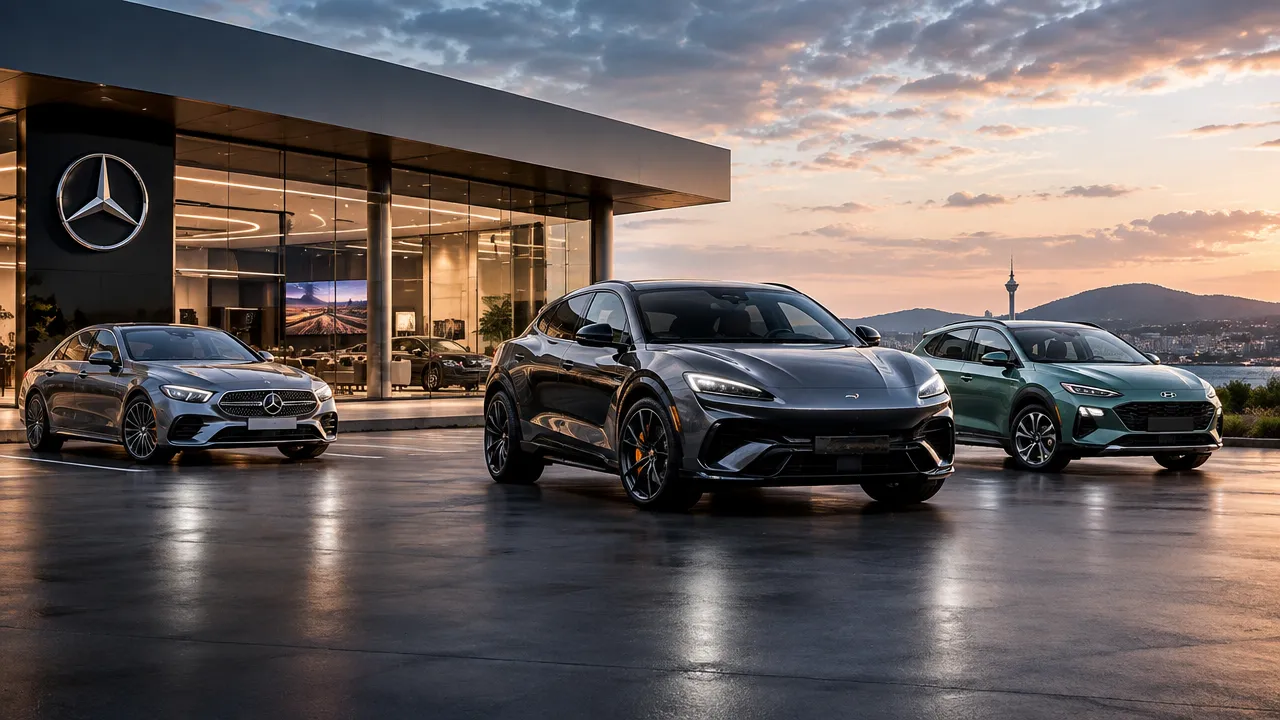
Mercedes-Benz has officially launched its first Australian 'Studio' retail concept in Canberra, signaling a major expansion of its global brand strategy. This new showroom isn't just a place to buy cars—it's a full experience designed to immerse customers in the brand’s heritage and innovation. The Studio concept emphasizes personalized service and interactive displays, blending traditional luxury with digital engagement. It's a clear indication that Mercedes-Benz is not only focusing on vehicle sales but also on cultivating deeper emotional connections with its clientele.
McLaren Enters Performance SUV Market
McLaren, known for its high-performance supercars, is now entering the performance SUV segment—but with a twist. The brand’s first non-electric SUV prioritizes driving dynamics over electrification, offering a visceral experience that aligns with McLaren’s core identity. While electric SUVs dominate headlines, this move suggests there's still strong demand for performance-focused vehicles that deliver raw, driver-centric excitement without the compromise of battery weight or charging infrastructure.
Hyundai Bayon Gets Refreshed Tech and Looks
Hyundai’s Bayon has returned to the market with a refreshed exterior design and updated tech features. The new Bayon looks more aggressive, while its interior now includes an upgraded infotainment system, better connectivity options, and enhanced safety features. It’s a smart update that keeps the model competitive in a crowded compact SUV segment. With increasing consumer demand for both style and functionality, Hyundai is clearly listening to what customers want.
Ioniq 5 N Gets Khyzyl Saleem's Group B Makeover
One of the most eye-catching transformations in today’s news comes from Khyzyl Saleem, who has reimagined the Ioniq 5 N as a Group B-style ICE monster. The project showcases what an electric car could look like if it were designed with the spirit of rally racing in mind—bold, aggressive, and built for performance. While not a production vehicle, this creative take on the Ioniq 5 N demonstrates how the EV space is opening up to more experimental design ideas.
Porsche Cayenne Electric Brings New Features
Porsche’s new Cayenne Electric introduces a few standout features that make it stand out in the electric SUV market. Among them are power doors, which open automatically when you approach, and wireless charging for compatible devices—both of which add convenience and luxury to an already premium offering. These updates reflect Porsche’s strategy of combining traditional performance with modern amenities.
Volkswagen ID.3 Goes Rear-Wheel-Drive GTI
Volkswagen's ID.3 is getting a major upgrade with the introduction of a rear-wheel-drive GTI variant, making it the first GTI in the brand’s electric lineup. This move brings a more focused driving experience to the ID.3, appealing to enthusiasts who want a balance of performance and practicality. It also shows Volkswagen’s commitment to diversifying its EV portfolio beyond just utility-focused models.
GM's EV Focus Hurts Hybrid Sales
GM’s heavy push toward electric vehicles is starting to show in sales figures—hybrid sales are suffering as the company shifts its attention and resources. This is a notable shift from the hybrid market’s former role as a bridge between combustion and EVs. While it might be strategic for GM to focus on electrification, it raises questions about whether automakers like GM are leaving too much potential demand on the table by neglecting hybrids.
Leapmotor B03X Gains Praise Despite Software Issues
Leapmotor’s B03X electric SUV has drawn positive reviews for its build quality and overall polish, even though it still faces some software-related challenges. This highlights a growing trend in the EV space: vehicles that are well-engineered but not yet fully refined. As manufacturers work to close this gap, they’re finding a balance between speed and perfection.
Hyundai’s Self-Driving Suite Plans
Hyundai is preparing to launch its own self-driving suite by 2029, with an initial Level 2+ system expected in 2028. This system will be used to gather data for future autonomous technologies, giving Hyundai a strong foundation to build upon. It reflects the industry’s move toward long-term autonomy development rather than quick fixes or incremental improvements.
Industry Shifts Toward Electrification and Performance Innovation
Across today's news, there's an unmistakable trend: electrification is no longer just about replacing engines with motors—it’s about reimagining what a vehicle can be. Whether it’s the performance-focused McLaren SUV or the tech-forward Porsche Cayenne Electric, manufacturers are finding new ways to integrate electrification into their core identities. Meanwhile, brands like Hyundai and Volkswagen are expanding their EV offerings with both practicality and excitement in mind.
Hybrid vs. Electric: A Growing Debate
The debate over hybrids versus fully electric vehicles continues to heat up. GM’s strategy illustrates how some manufacturers are betting big on pure EVs, while others are leveraging the hybrid market as a strategic bridge. The key is understanding that not every driver is ready for a fully electric transition, and hybrid vehicles still play an important role in many consumers’ journeys.
What This Means for Car Enthusiasts
For car enthusiasts, today’s developments offer both excitement and caution. On one hand, we're seeing more performance-focused EVs and innovative features that make driving more enjoyable than ever. On the other, the industry's shift toward electrification could mean fewer options for those who prefer traditional engines. However, with brands like McLaren and Hyundai pushing boundaries in their respective segments, there’s still room for passionate drivers to find vehicles that match their values and tastes.
As we continue to navigate this transformation, one thing is clear: the future of automotive is not just electric—it's also highly diverse, innovative, and full of choices.