MG's $14,600 EV, Hyundai's 100-Model Plan, and Ferrari's Hybrid Debate: What's Happening in Auto Land Today
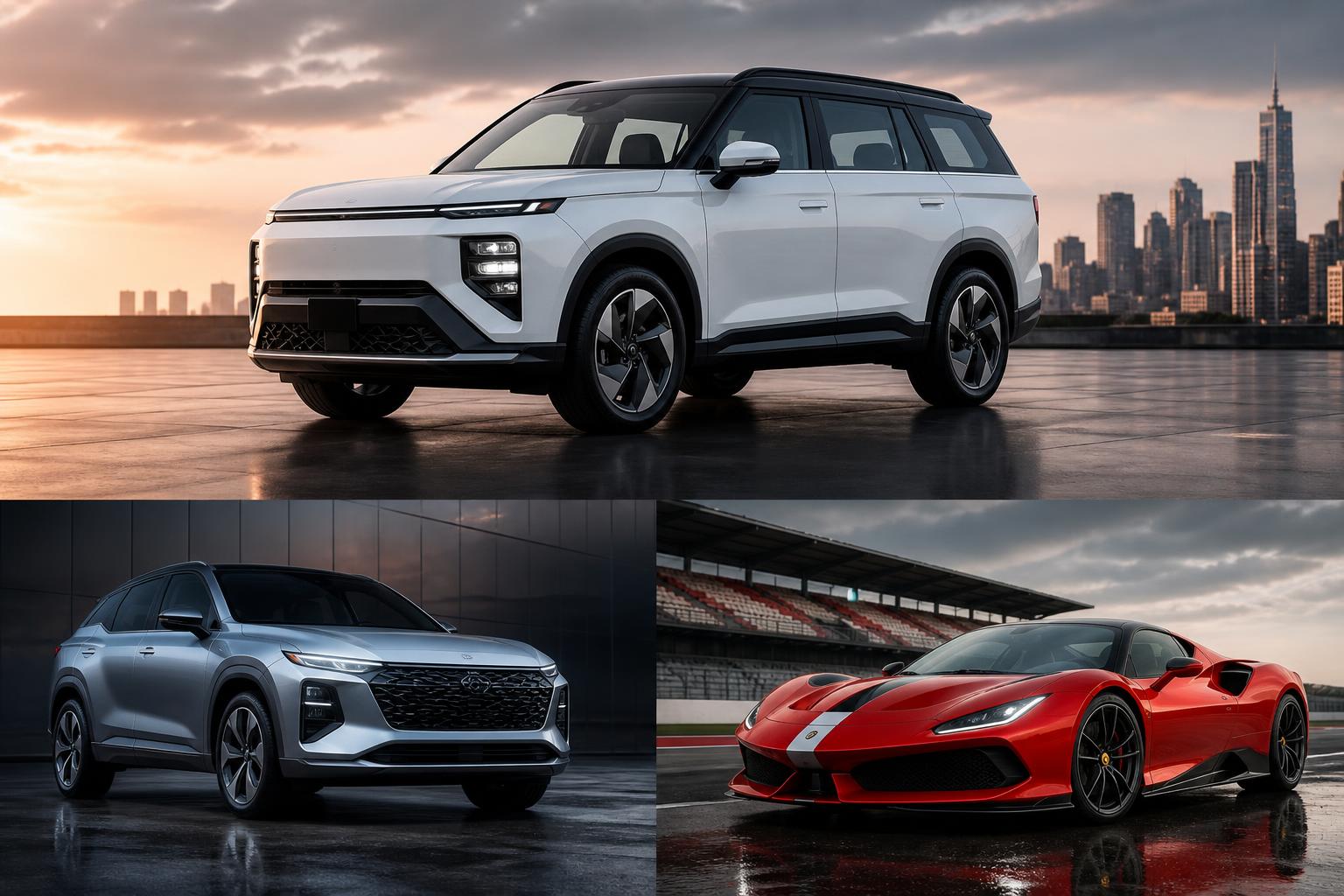
The automotive world is spinning faster than ever, and today’s headlines are a perfect snapshot of just how diverse and dynamic the industry has become. From electric vehicles that could redefine affordability to performance cars that blur the line between street and track, the landscape is shifting in exciting ways. It's not just about flashy launches anymore—it's about strategic moves that could reshape markets, consumer expectations, and even what it means to own a car. Whether you're eyeing an entry-level EV or dreaming of a race-inspired supercar, today’s news has something for everyone.
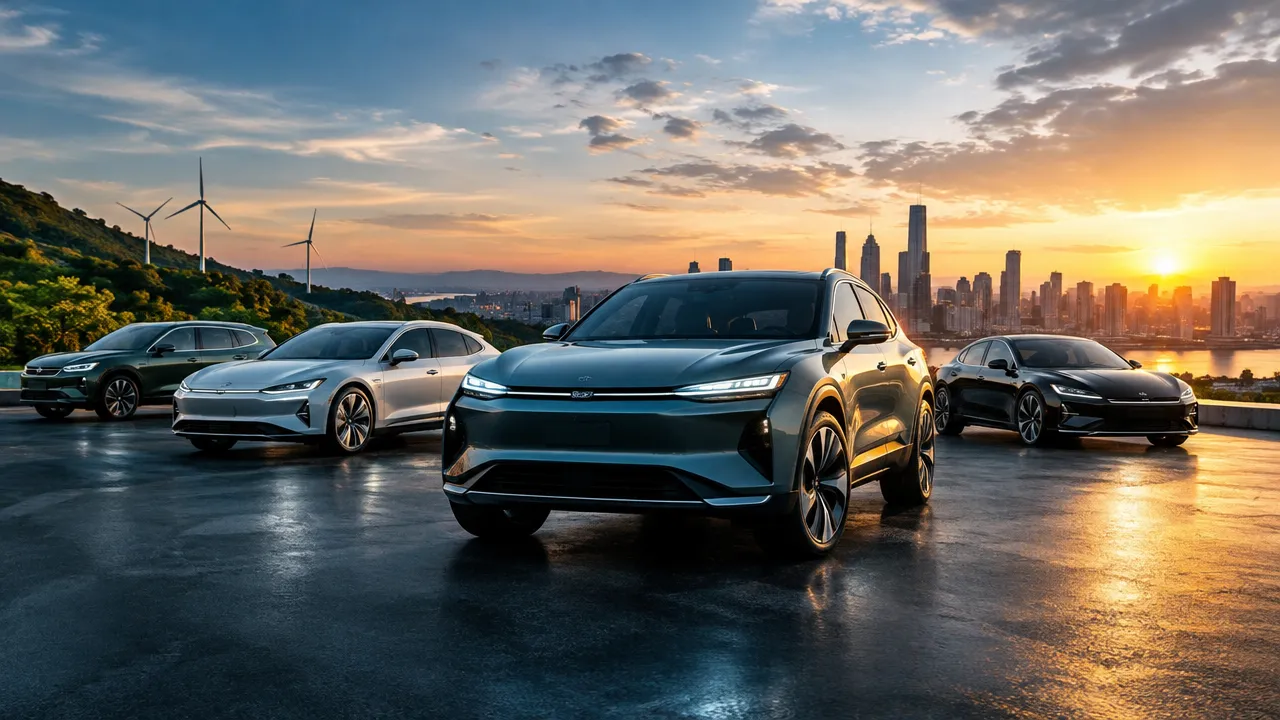
The electric revolution is no longer just for luxury buyers. MG has unveiled the Hector Tomahawk, an affordable three-row EV starting at just $14,600—though that price excludes the battery. This announcement signals a major push toward making electric vehicles accessible to broader demographics. With the average EV buyer still being relatively affluent, MG’s strategy could be a game-changer in expanding the market and accelerating adoption rates.
Hyundai is also making waves with its ambitious roadmap for 2030, planning to launch more than 100 new vehicles over the next few years. This includes a range-extended Genesis SUV that might offer a petrol engine option as an alternative to full electrification. The move reflects growing industry uncertainty around pure electric roadmaps and consumer demand for flexibility. As governments worldwide push toward electrification, automakers like Hyundai are hedging their bets by offering hybrid or range-extender options to meet diverse market needs.
MG's Affordable Three-Row EV: A New Era of Accessibility?
MG’s Hector Tomahawk is one of the most attention-grabbing announcements of the week. With a starting price tag of $14,600—excluding battery—it represents a bold step toward democratizing electric vehicles. While it may seem like an outlier in today's EV market, where prices often start in the $30,000+ range, this vehicle could be a strategic move by MG to capture a segment that has been underserved.
Key points about the Hector Tomahawk:
Starts at just $14,600 (battery not included)
Three-row SUV configuration
Designed for affordability and accessibility
This approach aligns with MG’s global strategy of bringing electric mobility to emerging markets where price sensitivity is a key factor. It also suggests that automakers are beginning to recognize the importance of offering entry-level EVs to drive adoption—especially as battery costs continue to decline.
Hyundai's 100 New Vehicles by 2030: A Strategic Expansion Plan
Hyundai’s plan to introduce over 100 new vehicles by 2030 is a clear indicator of the automaker's confidence in its future growth strategy. The company is not just focusing on electric vehicles but also expanding into new segments, such as the upcoming 4WD SUV and ute lineup under the new family of models.
Notable aspects of this expansion:
Over 100 vehicle launches by 2030
New 4WD SUV and ute lineup
N performance hardware at more accessible price points
This expansion is particularly significant as Hyundai looks to leverage its growing expertise in electric vehicles while also staying relevant in traditional segments. The inclusion of N performance hardware at lower price points shows a shift in how high-performance features are being offered to consumers, making them more accessible.
The Genesis GV90 and the Future of Hybrid Electrification
Hyundai’s flagship electric SUV, the Genesis GV90, may be getting a range-extender option—possibly a petrol engine. This move signals that even premium brands are recognizing the challenges of full electrification in certain markets or use cases.
Why this matters:
Addresses consumer concerns about range anxiety
Offers flexibility for different regional regulations
Keeps options open as governments implement stricter emissions standards
The decision to potentially add a petrol engine as an option could also be seen as a hedge against the volatility of battery technology and the pace of charging infrastructure development. It's a pragmatic move that doesn't necessarily compromise the electric nature of the vehicle but provides an alternative pathway for consumers.
Ferrari’s Hybrid Dilemma and Porsche’s Race-Ready 911
While many are focused on the EV revolution, traditional performance car makers like Ferrari are still making headlines. The company may be removing hybrid technology from its 296 Speciale in favor of a more track-focused Challenge Stradale variant. This decision emphasizes Ferrari's continued commitment to pure, unadulterated performance on the road and track.
Meanwhile, Porsche is introducing its $275,000 911 Challenge race car based on the GT3 platform. It’s a reminder that even as the industry shifts toward electrification, there remains an intense demand for high-performance, purpose-built machines.
These developments show two sides of the same coin: innovation and heritage. While some manufacturers are pushing toward hybrid or electric powertrains, others are doubling down on performance and traditional driving dynamics.
Formula 1’s Engine Development Rules: A New Chapter
In the racing world, Red Bull Ford's engine has been declared the best under FIA's new development rules, opening up more opportunities for other teams to improve their performance. This is a significant shift in how Formula 1 engines are developed and could influence the broader automotive industry as manufacturers seek to apply race-derived technology to consumer vehicles.
This development underscores how racing continues to be a proving ground for future automotive innovations, especially in engine efficiency, power delivery, and hybrid integration. As these technologies mature, we’ll likely see more crossover into road cars—especially in high-performance segments.
Jeep's China Re-entry: A Global Expansion Play
Jeep is re-entering the Chinese market through a $1.2 billion joint venture with Dongfeng, using Dongfeng batteries. This move highlights how global automakers are adapting to local markets and leveraging partnerships to navigate complex regulatory environments.
Why it matters:
Jeep's re-entry shows confidence in China’s EV market
Partnership with Dongfeng provides access to battery technology
Reflects broader trend of localization in automotive strategy
This joint venture could be a blueprint for how international automakers can successfully enter or re-enter emerging markets—by aligning with local players and tailoring their offerings to meet regional preferences.
What This All Means for Car Enthusiasts
Today’s headlines remind us that the automotive industry is undergoing rapid change, with new strategies emerging from every corner. From affordable EVs to hybrid solutions in flagship vehicles, there's a clear trend toward flexibility and accessibility.
For car enthusiasts, this means:
More choices across all price points and performance categories
A blend of traditional driving dynamics and cutting-edge technology
Increased competition that drives innovation and better value for consumers
Whether you're drawn to the thrill of a high-performance track car or the practicality of an affordable EV, there’s never been a more exciting time to be part of the automotive world. The future is not just electric—it's diverse, dynamic, and full of possibilities.