Montreal Sprint Qualifying Dominance, Nissan Oil Crisis, and Retro EV Revivals
The automotive world is in a constant state of motion, and today's headlines are a perfect example of how quickly things can shift—especially when it comes to performance, supply chain challenges, and the ever-evolving electric vehicle landscape. From a commanding display on the track to a real-world oil shortage that's forcing dealers to make tough decisions, the industry is showing that it's not just about the future, but also about how manufacturers are managing today's realities. Add to that the growing trend of reviving iconic designs in electric form, and it's clear that the industry is blending nostalgia with innovation in ways that are both exciting and necessary.
What’s more, as we navigate through a complex mix of racing dominance, supply chain issues, and strategic product planning, it’s becoming increasingly clear that manufacturers are not just reacting—they’re planning ahead. The decisions made today, whether it’s about which customers get priority during an oil shortage or how a new engine will be tested, are laying the groundwork for the industry’s trajectory in the coming months. With that in mind, let’s dive into the key stories that are shaping the automotive landscape today.
Mercedes Dominates Montreal Sprint Qualifying
Mercedes-Benz delivered a masterclass in performance at the Montreal Sprint Qualifying, securing a commanding 1-2 finish with George Russell leading the upgraded Silver Arrows. This wasn’t just a quick win—it was a statement of intent. The team’s ability to extract maximum performance from their updated cars, especially in a competitive field that includes the likes of McLaren, shows just how far they’ve come in their pursuit of dominance. Russell’s lead by over three-tenths of a second over McLaren’s drivers highlights the significant gap in performance, which could be a crucial factor heading into the race weekend.
The Silver Arrows’ performance also underscores the importance of continuous development and refinement in Formula 1. With teams constantly pushing the limits of aerodynamics and engine performance, Mercedes’ display serves as a reminder that in a sport where milliseconds matter, even small improvements can make a massive difference. This kind of dominance isn’t just about speed—it’s about consistency, reliability, and strategic planning.
Nissan Faces Oil Shortage, Prioritizes Customers
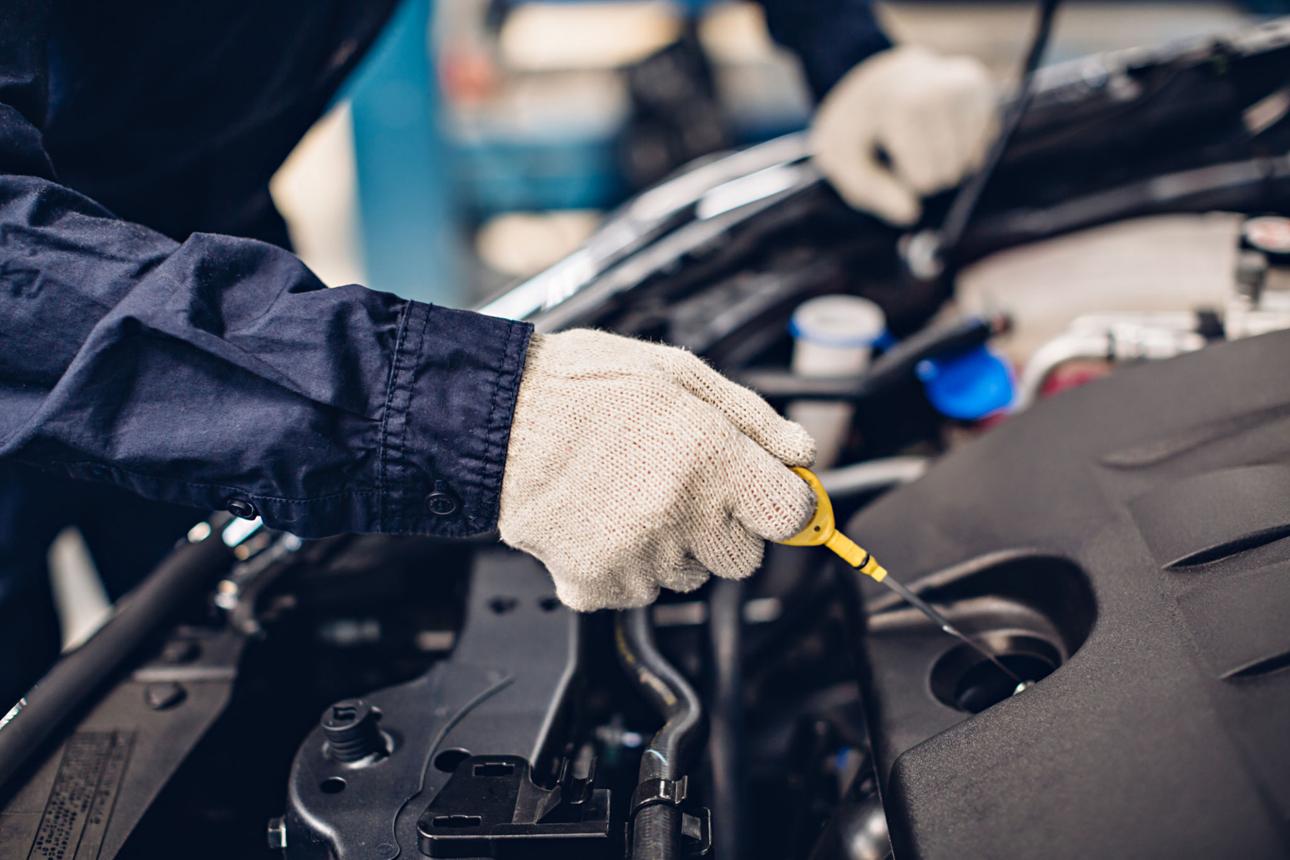
While Mercedes is making headlines on the track, Nissan is dealing with a very real, on-the-ground issue that’s affecting dealerships and customers alike. As reported by Carscoops, the company is grappling with an oil shortage that has forced dealers to prioritize customers for genuine 0W-20 oil. This isn’t just a minor inconvenience—it’s a serious supply chain challenge that could impact customer satisfaction and, potentially, brand loyalty.
The situation is particularly telling for Nissan Australia, where the brand’s new leadership is trying to balance immediate needs with long-term strategy. As noted by CarExpert, the Terrano PHEV has become a top priority for the company, indicating that while they’re dealing with short-term issues, they’re also focusing on products that are likely to drive future sales. It’s a reminder that even in the face of immediate challenges, manufacturers must keep their eyes on the prize.
Hyundai’s i30 N Engine Nears Production
Hyundai’s next-generation i30 N engine is inching closer to production, with extensive testing on the Nürburgring 24 Hour course. This is a big deal for enthusiasts who’ve been eagerly anticipating the next evolution of the brand’s performance lineup. The Nürburgring testing phase is crucial—it’s where cars are pushed to their absolute limits, and any issues are quickly identified and resolved.
This kind of rigorous testing isn’t just about performance—it’s about reliability. For a car like the i30 N, which is already a favorite among performance car lovers, the last thing anyone wants is a reliability issue that could dampen the experience. By putting the engine through such intense testing, Hyundai is signaling that they’re serious about delivering a product that lives up to the N badge’s reputation.
Citroën Plans to Revive the 2CV as a Budget EV
In a move that’s both nostalgic and forward-thinking, Citroën is planning to bring back the iconic 2CV as a budget electric vehicle by 2028. This isn’t just a rebrand—it’s a bold step that shows how manufacturers are looking to the past for inspiration when building the future. The 2CV, with its simple, rugged design and low cost, is a perfect candidate for an electric transformation that could make EVs accessible to a broader audience.
This revival also reflects a growing trend in the industry—making electric vehicles more affordable and approachable. By leveraging the 2CV’s legacy and adapting it to modern electric technology, Citroën is not only honoring a piece of automotive history but also addressing a real market need. It’s a smart strategy that could open up new segments of the EV market.
Lexus RX Gets Interior Refresh, Audi V6 Turbo Water Pump Issues
Lexus is updating its RX with a refreshed interior, including a new steering wheel and infotainment system. While this may seem like a cosmetic change, it’s a sign that the brand is focused on enhancing the user experience and keeping its vehicles competitive in a crowded market. The updates are aimed at improving both comfort and connectivity, which are key factors for today’s consumers.
On the other hand, Audi owners are being warned about potential $6,000 repair bills due to faulty water pumps in V6 turbos. This is a stark reminder that even premium brands aren’t immune to quality issues. While it’s not a common occurrence, these kinds of problems can be costly and damaging to a brand’s reputation. It’s a wake-up call for Audi to ensure that quality control is maintained, especially as they continue to develop more advanced engine technologies.
Toyota’s 36-Day Sales Cycle vs. Dodge’s 142-Day Pace
One of the more interesting contrasts in today’s automotive news is the stark difference in sales cycles between Toyota and Dodge. Toyota completes a sale in just 36 days, while Dodge takes 142 days. This difference is a reflection of how manufacturers are managing their inventory and customer demand.
Toyota’s efficiency in sales and distribution is a testament to its strong market presence and streamlined operations. Dodge, on the other hand, is still working through the challenges of clearing winter inventory, which is a common issue for manufacturers during seasonal transitions. As the industry continues to adjust to changing consumer preferences and supply chain realities, these kinds of operational differences will become even more telling.
What This Means for Car Enthusiasts
Today’s automotive news is a clear indicator that the industry is evolving in multiple directions at once. On one hand, we’re seeing the continued dominance of performance brands like Mercedes in racing, while on the other, we’re witnessing the challenges that supply chain issues can bring to even the largest manufacturers. The trend toward electric vehicles, especially those with retro-inspired designs, shows that there’s still room for creativity and nostalgia in a rapidly modernizing industry.
For car enthusiasts, this means that there’s a lot to look forward to. Whether it’s the next generation of performance engines, the revival of classic designs, or the ongoing battle for market dominance, the automotive world is full of stories that matter. As manufacturers continue to push boundaries and adapt to new realities, it’s an exciting time to be part of the automotive community. The industry’s ability to blend innovation with tradition is what keeps the excitement alive, and today’s headlines are a perfect example of that.