MotoGP Record, EV Struggles, and the Future of Automotive Innovation
The automotive world is a fascinating ecosystem where the thrill of competition meets the sobering realities of market shifts, and today, June 20, 2026, is no exception. From record-breaking laps in MotoGP to the sobering decline of EV growth in key markets, the day’s headlines paint a vivid picture of where the industry stands today. As we navigate through this complex landscape, it’s clear that the forces shaping the automotive world are as diverse as they are dynamic. Whether it’s the high-octane performance of a new Corvette or the quiet concerns about quality in Japanese vehicles, there’s a story here for every car enthusiast. What’s more, the creative expressions of brands like Porsche and the practical solutions of Subaru’s Sambar truck suggest that innovation isn’t just about speed—it’s also about relevance and real-world utility.
MotoGP and Indy NXT: Racing at the Peak
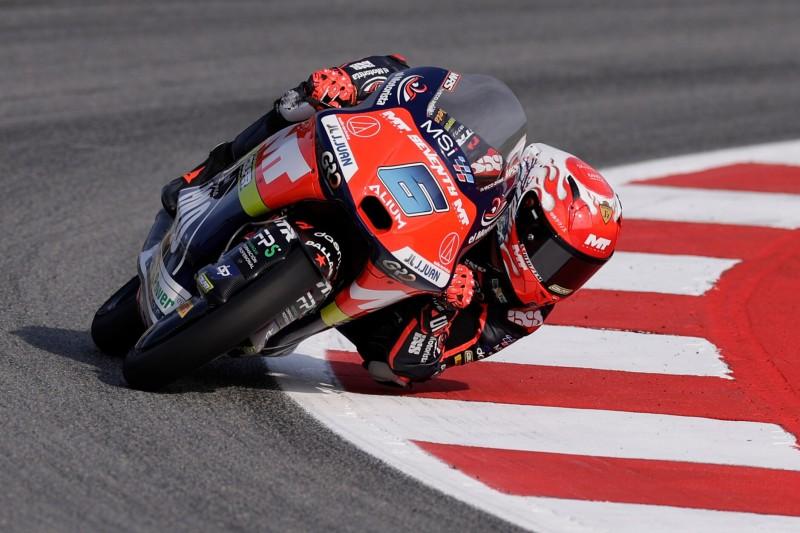
In the world of motorsports, where seconds can make the difference between victory and defeat, today’s headlines are filled with moments of pure excellence. Ai Ogura’s new MotoGP lap record at Brno is a testament to the evolving capabilities of modern motorcycles, pushing the limits of what’s possible on the track. The performance isn’t just about speed—it’s about precision, engineering, and the relentless pursuit of perfection. Meanwhile, in Indy NXT, Max Taylor’s leadership of Andretti’s 1-2-3 in practice at Road America highlights the depth of talent emerging in the racing world. These developments not only elevate the competitive spirit but also serve as a reminder that the innovations and technologies developed in racing often find their way into consumer vehicles, making the racing world a crucial bellwether for automotive advancements.
EV Growth Slows, But Europe Shows Resilience
While the racing world is pushing boundaries, the broader automotive industry is grappling with a concerning trend: global EV growth has plummeted to just 0.9%, according to recent data. This decline is largely attributed to reduced demand in North America and China, two of the largest EV markets in the world. However, Europe is showing resilience, with a 23% surge in EV adoption, suggesting that regional strategies and consumer preferences are playing a more significant role than previously anticipated. For car enthusiasts, this shift signals a need for more localized strategies in EV development and a deeper understanding of how cultural and economic factors influence adoption rates. It’s a reminder that while global trends are important, the nuances of local markets often determine success.
Quality Concerns, Creative Expressions, and Practical Solutions
In the consumer space, the headlines are just as telling. Toyota and Nissan are warning Japanese buyers about potential quality issues with US-made vehicles, raising concerns about global supply chain integrity and the challenges of maintaining consistent standards across borders. Meanwhile, Leapmotor’s introduction of a new Long Range variant of its C10 SUV at no extra cost is a smart move that could give the brand a competitive edge in the growing SUV market. On the other end of the spectrum, Suzuki’s premium Jimny XL comes with a $10,000 premium but no performance gains, highlighting the industry’s ongoing struggle to balance perceived value with actual utility. The creative expressions of brands like Porsche, with its custom Greek Street Green wagon paint job, also show that automotive customization remains a powerful tool for brand identity and consumer engagement. And let’s not forget Subaru’s Sambar kei truck, which offers a practical and economical solution in an era of rising fuel costs—a reminder that sometimes, the best innovation is the one that solves a real-world problem.
Ford Faces Criticism, but Innovation Continues
Ford’s alleged overbilling in lemon law cases has drawn criticism, raising questions about transparency and accountability in the automotive industry. While this issue may seem like a legal hiccup, it reflects a broader challenge that manufacturers face in balancing consumer protection with business practices. It’s a reminder that trust is a fragile commodity, and once broken, it can have lasting effects on brand reputation. Despite such setbacks, innovation continues to thrive. The 1250 HP Corvette ZR1X, aiming for a new Pikes Peak production record, exemplifies the industry’s relentless pursuit of performance. Whether it’s through electric powertrains, advanced aerodynamics, or custom paint jobs, the automotive world remains a stage where dreams and engineering meet.
What This All Means for Car Enthusiasts
The mix of high-performance racing, industry-wide challenges, and creative solutions that we see today reflects the multifaceted nature of the automotive world. For car enthusiasts, it’s a reminder that the industry isn’t just about the cars themselves—it’s about the stories, the innovations, and the people behind them. As EV adoption slows in some markets but surges in others, enthusiasts need to stay informed and adaptable. Whether you’re chasing a record lap in MotoGP or looking for the most fuel-efficient solution on the road, the automotive landscape is evolving in ways that demand attention. The future is not just about speed or power—it’s about relevance, sustainability, and the ability to connect with consumers on a deeper level. As we continue to navigate this dynamic space, one thing remains clear: the automotive world will always be a place where innovation, competition, and creativity collide.