Nissan's 1,230-Mile Hybrid Milestone and Huawei's EV Blitz: What's Shaking Up Auto Land
The automotive world is turning up the heat this week, with a mix of breakthrough technology, strategic moves from tech giants, and classic performance updates that are reshaping how we think about driving. From hybrid efficiency that defies expectations to electric SUVs that blur the line between luxury and performance, it's clear that manufacturers are racing to stay ahead in an increasingly competitive landscape. This isn't just about flashy features or marketing claims—it's about real-world capability and the evolution of what a car can do. Whether you're a daily commuter, a weekend adventurer, or someone who simply loves watching the industry evolve, today's headlines offer plenty to get excited about.
Nissan's Qashqai e-Power Shatters Expectations with 1,230-Mile Range
Nissan has just delivered a major blow to the electric vehicle debate with its Qashqai e-Power model, which managed to travel an impressive 1,230 miles without needing to charge or refuel. This feat isn't just about bragging rights—it's a demonstration of how advanced hybrid systems can offer the convenience and range of traditional vehicles while maintaining the efficiency benefits of electric powertrains. For those who've been skeptical about daily EV adoption due to range anxiety, this kind of performance is a strong signal that hybrid solutions may be the bridge we need. The Qashqai e-Power's success also highlights how automakers are increasingly focusing on optimizing fuel consumption and battery usage rather than just pushing for full electrification.
Huawei Enters Premium EV Space with 849-Mile Stelato G9 SUV
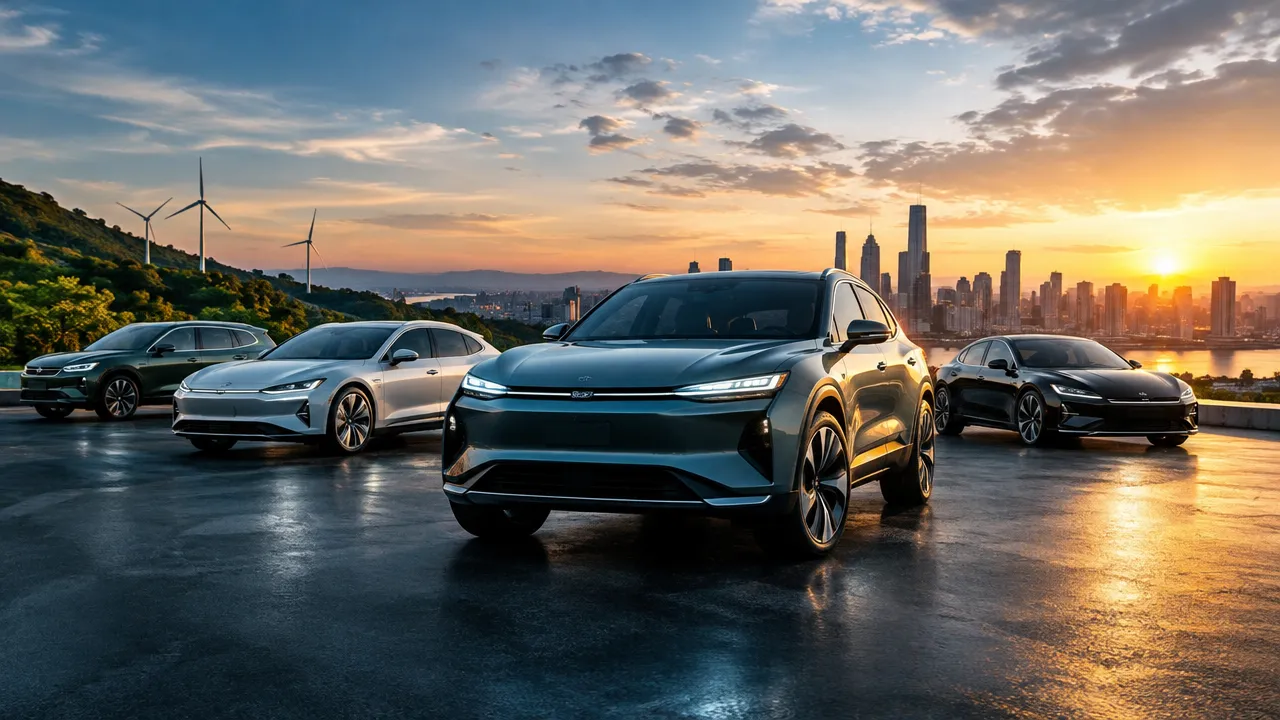
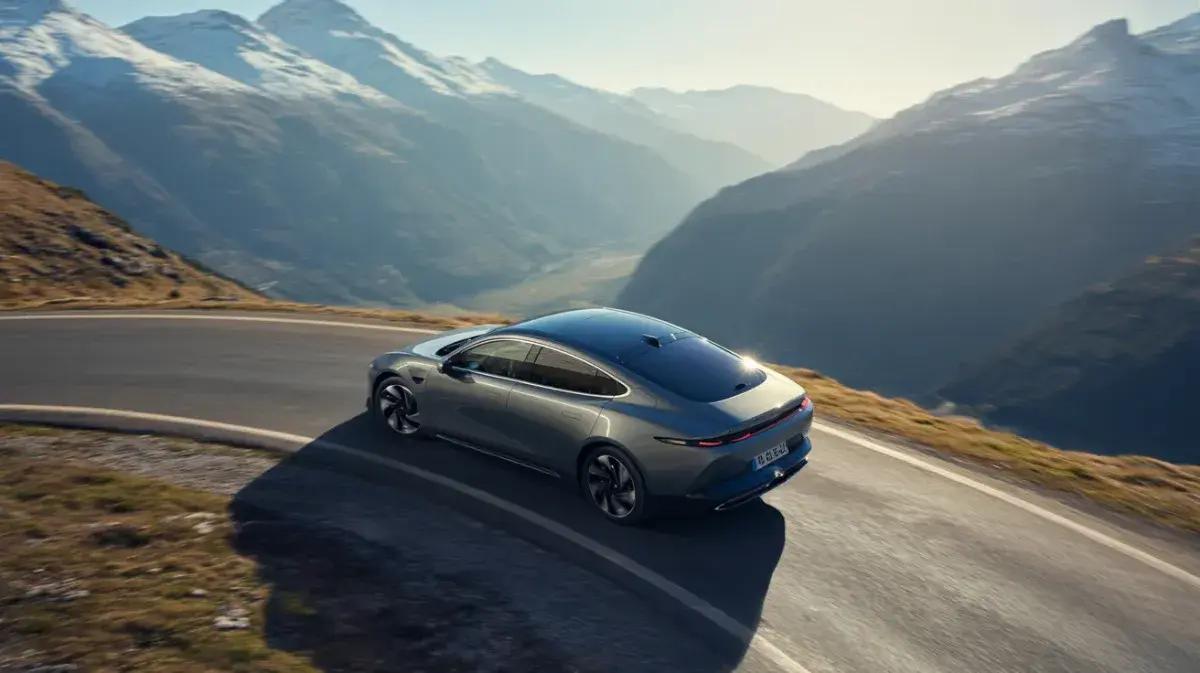
In a surprising move, Huawei has entered the premium electric SUV space with its Stelato G9, which can run 849 miles on a single charge and delivers 586 horsepower. This isn't just another tech company dipping its toes into automotive waters—it's a full-scale assault on established luxury EV players. The Stelato G9's impressive specs suggest Huawei is betting big on integrating smart technology with performance, positioning itself as a serious contender in the high-end electric market. While it remains to be seen whether this will translate into real-world sales success, the entry signals that tech companies are no longer content to simply provide software solutions—they're ready to build hardware and compete directly in the automotive arena.
Mercedes-Benz S-Class Revamp Sets Stage for Australian Market
Mercedes-Benz is preparing a major update to its flagship S-Class, with the revamped model set to arrive in Australia soon. This overhaul includes updated powertrains and tech features that promise to keep the German luxury brand at the top of its class. The S-Class has long been considered the gold standard for luxury sedans, so any significant update is worth watching. The new S-Class isn't just about aesthetics—these changes are likely aimed at maintaining competitiveness against newer models from BMW, Audi, and even emerging electric luxury brands. For Australian buyers, this means a refreshed take on one of the world's most prestigious vehicles.
Toyota Prado and HiLux Dominate Australian Sales While Ford Makes Big Moves
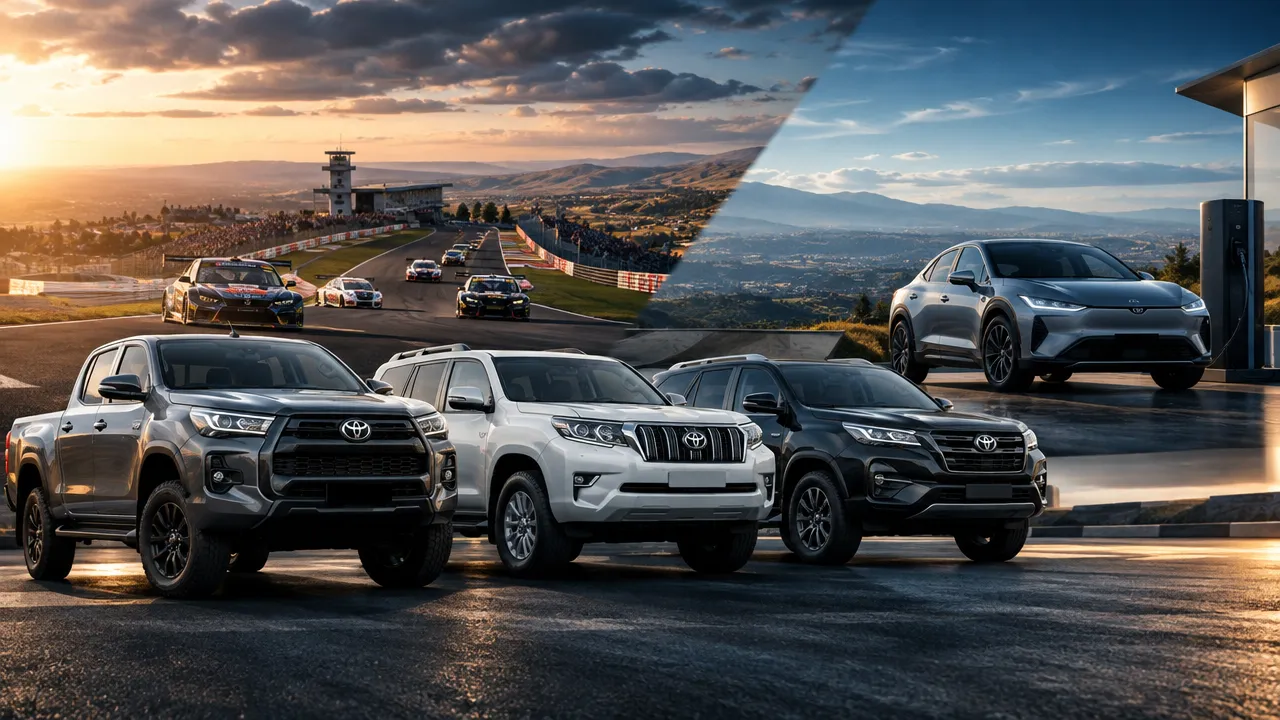
Toyota continues to dominate Australia's vehicle sales charts with its Prado and HiLux models, outpacing even strong rivals like Ford and BYD. These trucks aren't just selling because they're reliable—they're selling because they offer the perfect blend of capability, durability, and practicality that Australian drivers demand. Meanwhile, Ford is preparing for a major overhaul of its 2027 F-150 lineup, with hints pointing to significant engine changes that could reshape the entire truck segment. The F-150 has been the best-selling pickup in America for decades, so any major update from Ford is likely to send ripples across the industry.
Audi CEO Signals New Q8 Generation and Zeekr's Sales Surge
Audi's CEO revealed his surprise over the Q8's lack of a direct successor, indicating that the company is planning a new generation model to follow the successful Q7 blueprint. This suggests that Audi isn't content with just maintaining its current position but wants to push forward with a refreshed design and updated features. At the same time, premium Chinese brand Zeekr has achieved record sales with its 7X SUV, showing how quickly new players can make their mark in the global market. Zeekr's success points to growing consumer appetite for high-end electric vehicles that combine performance, luxury, and smart technology.
What This Means for Car Enthusiasts
The convergence of traditional automakers and tech companies is creating a more dynamic automotive environment than ever before. Hybrid systems are becoming more sophisticated, EV ranges are extending, and luxury brands are adapting to new market realities. For enthusiasts, this means more choices, better technology, and potentially even more exciting vehicles. Whether you're drawn to the reliability of established trucks or the innovation of tech-powered electric SUVs, the current landscape offers something for everyone. As manufacturers continue to push boundaries, we can expect even more impressive developments in the months ahead.