Piastri Stays, EV Sound Systems, and a Global Chip Crisis: Friday's Automotive Headlines
The automotive landscape continues to shift at a rapid pace, with developments that span from driver contracts to sound design and global semiconductor supply chains. This Friday, July 17, 2026, brings a mix of clarity, innovation, and unexpected challenges that are reshaping how we think about the future of driving. Whether it's a young driver making a bold statement about his future or a luxury brand introducing a unique EV audio experience, the industry is full of surprises. The news also highlights how automakers are adapting to a new era of subscription services, rising costs, and an increasingly competitive global market. From the racing circuit to the showroom floor, today's headlines offer a fascinating glimpse into the direction the automotive world is heading.
Piastri Shuts Down Verstappen Rumors with a Simple 'Yes'
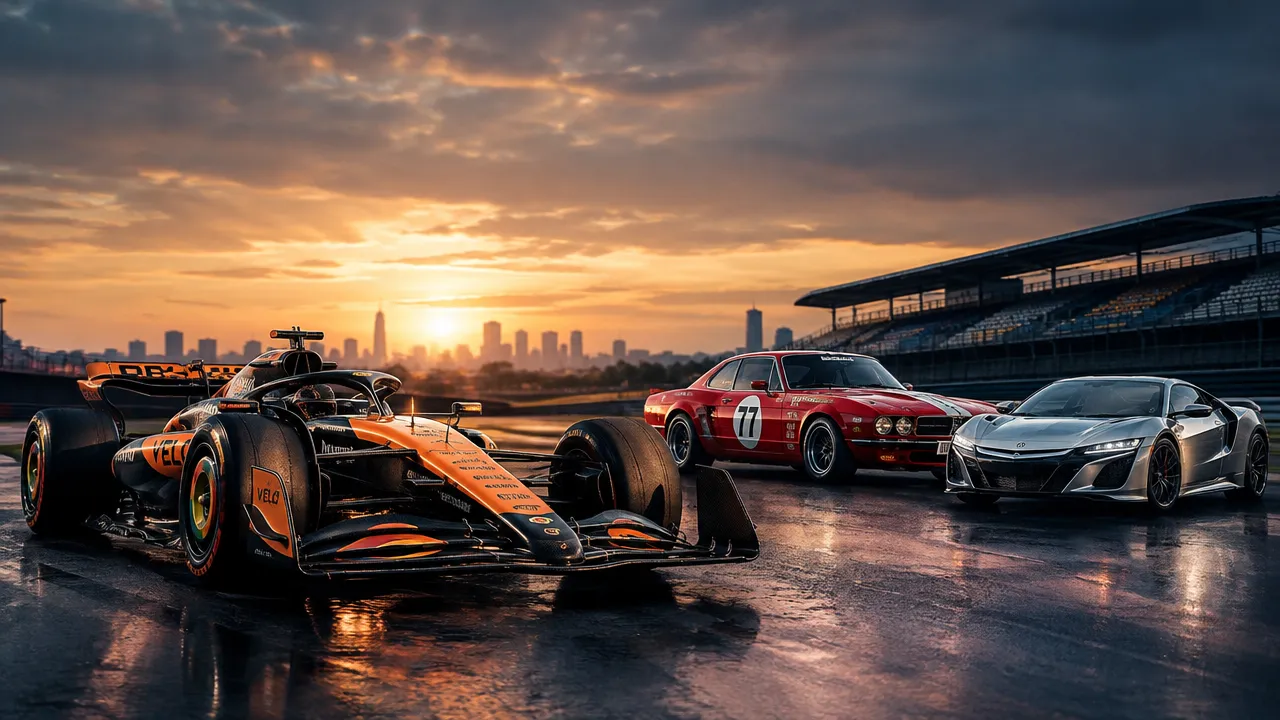
Oscar Piastri’s response to rumors linking Max Verstappen to McLaren was as concise as it was definitive. When asked if he’d be staying with the team through 2027, Piastri simply said “Yes,” effectively ending speculation that Verstappen might be moving to the British team. This moment is significant not only for its impact on Formula 1’s competitive dynamics but also because it shows how crucial team stability is in a sport where driver movements can dramatically alter race outcomes. Piastri’s commitment signals that McLaren is in a strong position to retain its core talent, which could be a key factor in the team’s long-term success. For fans, it’s a relief to see a promising young driver staying put, and it reinforces the idea that loyalty and performance are still highly valued in Formula 1.
Stellantis Makes Car Subscriptions More Affordable
Stellantis is taking a step toward making car subscriptions more appealing by offering 10 years of free remote start and reduced WiFi costs for buyers in 2027. This move is aimed at improving the overall value proposition of subscription-based car ownership, which has been a growing trend in recent years. By cutting down on some of the hidden costs associated with these services, Stellantis hopes to attract more consumers who are hesitant about committing to long-term subscriptions. The company’s approach is smart, as it addresses a common pain point in the subscription model—unexpected or recurring expenses. This could set a new industry standard, encouraging other automakers to offer similar incentives to make their subscription services more competitive.
Van Gisbergen Doubles Up at North Wilkesboro
Shane van Gisbergen’s decision to race in both the Cup and Truck Series at North Wilkesboro is a testament to his versatility and dedication to motorsports. The Australian driver is known for his adaptability, and competing across different racing categories shows his commitment to pushing himself to new limits. It also underscores the importance of diverse racing experiences in building a well-rounded driver. For fans of NASCAR, this is exciting news, as it brings more competitive racing to a classic track. Van Gisbergen’s dual participation also highlights how drivers are increasingly leveraging their skills across multiple disciplines, a trend that could shape the future of motorsports.
EV Sound Systems: From Fake V8s to Orchestral Music
Bentley is taking a unique approach to EV sound design by incorporating orchestral music into its electric vehicles instead of the typical artificial V8 sounds. While other luxury automakers are trying to replicate the thrill of a roaring engine with synthetic noise, Bentley is choosing to go in the opposite direction—offering a serene, musical experience that aligns with the quiet nature of electric vehicles. This innovation is part of a broader conversation about how EVs should sound, and it shows that automakers are starting to think beyond just replicating the past. The move could influence how other brands approach EV sound systems, especially as the market for luxury electric vehicles continues to grow.
Toyota Prius Sales Decline Despite Refresh
Toyota’s Prius, once a symbol of hybrid innovation, is facing a decline in sales, even as the company refreshes the model with a new color and updated climate control. Despite these updates, the Prius is seeing a price increase, which could be a factor in its reduced appeal to consumers. This trend reflects a broader shift in the automotive market, where traditional hybrid models are no longer the dominant force they once were. As electric vehicles become more mainstream and affordable, the role of hybrids like the Prius is being reevaluated. While the model still holds value for certain drivers, its decline signals a changing landscape in the way people think about fuel-efficient vehicles.
China’s Rapid Vehicle Launches Outpace U.S. Automakers
China is launching an unprecedented 650 new vehicles in just six months, significantly outpacing U.S. automakers who are planning only 159 by 2030. This surge in vehicle launches is a reflection of China’s aggressive push to dominate the global automotive market, particularly in electric vehicles. The country’s rapid expansion is driven by government support, innovation in EV technology, and a growing consumer demand for new models. Meanwhile, U.S. automakers are struggling to keep up, partly due to slower regulatory approvals and a more fragmented market. This imbalance could have long-term implications for global automotive competition and the future of innovation in the industry.
The Polestar 4 Estate and the Global Chip Shortage
The Polestar 4 SUV is nearing production, with its estate body style set to join the lineup, though it won’t be available in America. This move highlights how automakers are adapting to regional preferences, with some models being tailored for specific markets. The global chip shortage is also making headlines, with carmakers now competing with AI firms for semiconductors. This situation is creating a bottleneck in production, forcing automakers to reevaluate their supply chain strategies. The shortage is a reminder of how dependent the automotive industry is on global tech supply chains and how disruptions can have widespread consequences.
Volkswagen Jetta Owners Face $1,600 Repair Bills
Volkswagen owners are facing a $1,600 repair bill after a free over-the-air update caused a malfunction in their Jetta vehicles. This incident is a cautionary tale about the risks of relying too heavily on software updates, especially when they’re offered for free. While over-the-air updates can improve vehicle performance and add new features, they also carry the risk of introducing bugs or causing unexpected issues. This case underscores the need for better testing and more robust quality control in software updates, especially as vehicles become more connected and reliant on digital systems.
Industry Context and Analysis
The automotive industry is in a state of flux, with traditional boundaries between sectors blurring. The shift toward electrification, subscription services, and software-driven vehicles is reshaping how automakers operate and how consumers interact with their cars. Companies like Stellantis and Bentley are experimenting with new models and sound systems to stay relevant, while China’s aggressive expansion signals a new era of global competition. Meanwhile, the chip shortage is forcing automakers to rethink their supply chains and rely more on local production. The fact that a free update can cause a $1,600 repair bill is a reminder that digital transformation comes with its own set of challenges.
What This Means for Car Enthusiasts
For car enthusiasts, these developments are both exciting and concerning. The rise of EV sound systems and subscription services may change the way we experience driving, but they also bring new possibilities for customization and connectivity. The global chip shortage and software glitches are reminders that the modern car is more complex than ever, and that reliability is no longer just about mechanical parts. For those who love racing, the confirmation that Piastri will stay with McLaren and van Gisbergen’s dual participation in NASCAR are encouraging signs for competitive motorsports. As the industry evolves, enthusiasts must stay informed and adaptable, ready to embrace the changes that lie ahead.