Robotaxis, Touchscreen Troubles, and EV Market Shifts: Tuesday's Automotive Headlines
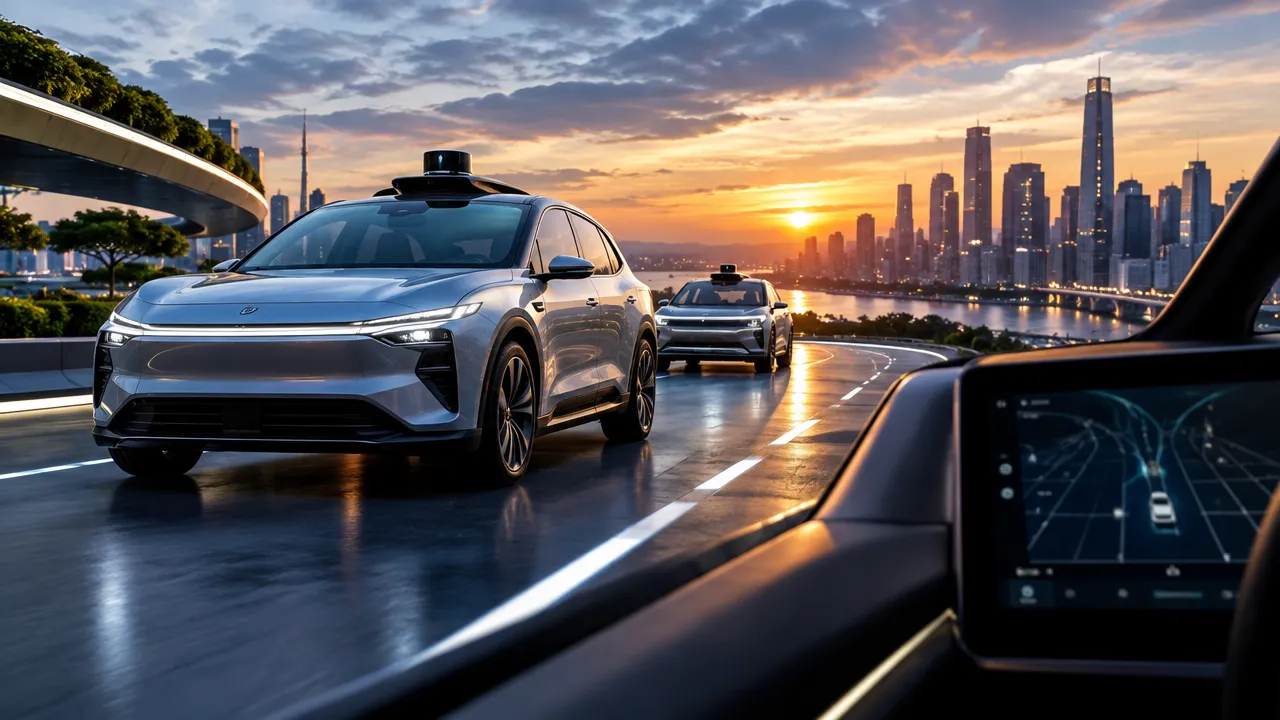
The automotive industry continues to navigate a complex landscape of technological disruption, consumer behavior shifts, and evolving safety standards. As we step into another busy Tuesday, the headlines reveal a fascinating juxtaposition of innovation and concern—ranging from futuristic robotaxis challenging traditional car ownership models to everyday drivers demanding a return to physical controls. What's clear is that the automotive world is no longer just about engines and performance; it's about reimagining how we interact with our vehicles in an increasingly connected and automated future. Today's news paints a picture of an industry at a crossroads, where legacy brands must balance tradition with innovation while emerging players push boundaries in unexpected directions.
Chery Questions the Future of Car Ownership
Chery's executive isn't just speculating about what's next—this is a direct challenge to the very foundation of automotive culture. As robotaxis gain traction and autonomous driving technology becomes more sophisticated, the traditional concept of private car ownership faces serious scrutiny. This isn't just about convenience or cost savings; it's about fundamental lifestyle choices. The implications are profound: if shared autonomous vehicles become the norm, what does that mean for car dealerships, insurance models, parking infrastructure, and even urban planning? While this shift may still be years away, Chery's bold questioning suggests that industry leaders are already preparing for a future where personal car ownership becomes increasingly optional rather than essential. It's not about replacing cars entirely but rather redefining their role in our lives.
Xpeng Expands Australia Operations with Strategic Moves
In contrast to the philosophical questions about car ownership, Xpeng is making very practical moves in Australia's automotive market. The company's expansion of its retail network and lineup shows a clear understanding of how to position itself in an increasingly competitive EV landscape. By resolving open TrueEV cases and expanding its presence, Xpeng is demonstrating both operational maturity and market adaptability. This strategic approach highlights the importance of local support and customer service in building trust with Australian consumers who are still evaluating electric vehicles. The company's ability to address existing issues while growing its footprint suggests a long-term vision that goes beyond simple sales figures.
Touchscreens and Driver Safety: A Growing Concern
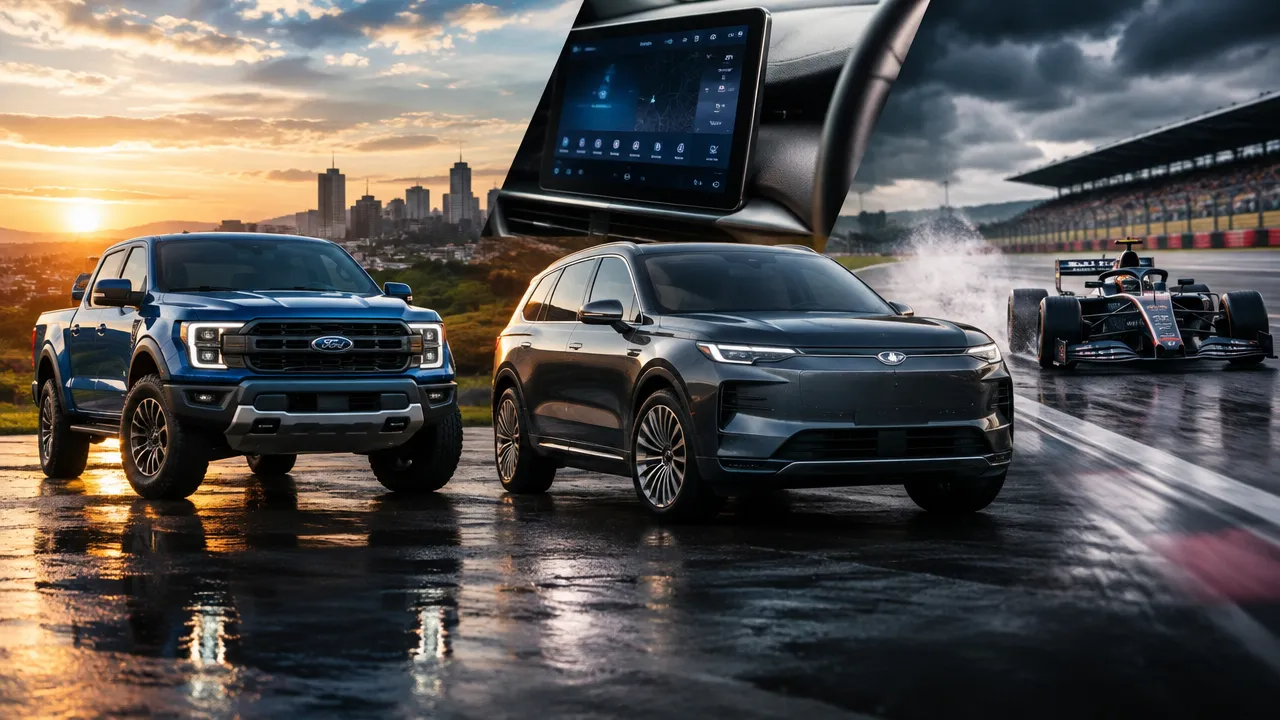
Australian drivers are making their voices heard about touchscreens, and the concerns are legitimate. When safety is at stake, the convenience of digital interfaces can become a liability. The criticism isn't necessarily against touchscreen technology itself but rather how it's implemented in vehicle design. Drivers want intuitive, reliable controls that don't require distraction from the road. This issue speaks to a broader conversation about human factors engineering in automotive design—how we balance innovation with usability and safety. It also highlights the need for manufacturers to consider driver behavior and preferences when integrating new technologies.
Mini and Porsche: Honoring Heritage While Moving Forward
Both Mini and Porsche are taking very different approaches to honoring their racing legacies while addressing modern concerns. Mini's special editions celebrate the brand's motorsport history, reminding enthusiasts of the joy that comes from performance-focused vehicles. Meanwhile, Porsche's recall demonstrates that even established manufacturers aren't immune to quality issues. These recalls show that the automotive industry continues to demand accountability for safety and reliability, regardless of brand prestige or historical significance. The contrast between celebrating heritage and addressing current problems reflects the ongoing tension in the automotive world.
EV Market Dynamics: Growth and Challenges
The electric vehicle market continues its upward trajectory, but it's not a story of universal success. Polestar's declining sales versus overall EV growth illustrate how even well-established EV brands can struggle to maintain momentum. Meanwhile, Lotus's fuel pump recall shows that quality control issues persist across the industry. These mixed results suggest that while the transition to electric vehicles is undeniable, manufacturers must navigate not just technological challenges but also consumer expectations and market realities. The EV revolution isn't just about replacing internal combustion engines—it's about redefining what makes a vehicle appealing to consumers.
Industry Context: The Future of Automotive Innovation
What emerges from today's headlines is a complex picture of automotive evolution. We're seeing the emergence of new business models that challenge traditional car ownership concepts while also witnessing persistent issues with quality and usability. The industry is learning that innovation without consideration for human factors can backfire, as evidenced by touchscreen criticism. At the same time, manufacturers are discovering that honoring brand heritage doesn't guarantee success—especially when adapting to modern consumer needs. The key seems to be balancing respect for automotive history with genuine commitment to solving real-world problems and meeting evolving consumer expectations.
What This Means for Car Enthusiasts
For car enthusiasts, today's developments highlight the need for adaptability and open-mindedness. The future of automotive ownership isn't just about personal preference but also about embracing new technologies that can enhance rather than detract from the driving experience. Whether it's considering alternative mobility options or staying informed about vehicle safety recalls, enthusiasts must remain engaged with industry trends while maintaining their passion for cars. The automotive landscape is changing rapidly, and those who stay curious, informed, and flexible will be best positioned to enjoy whatever comes next in the world of automobiles.