Shell's EV Breakthrough, Rally Racing Revival, and the Future of Automotive Mobility
The automotive world continues to evolve at a rapid pace, with today's headlines painting a vivid picture of innovation, tradition, and the complex forces shaping the industry's future. From cutting-edge electric vehicle concepts to the enduring popularity of grassroots motorsport, we're witnessing a fascinating convergence of technology and passion. As manufacturers race to embrace electrification, they're also grappling with safety concerns, geopolitical tensions, and shifting consumer preferences that are reshaping the landscape in unexpected ways. What emerges from today's developments is not just a snapshot of current trends, but a compelling preview of where automotive mobility might be heading.
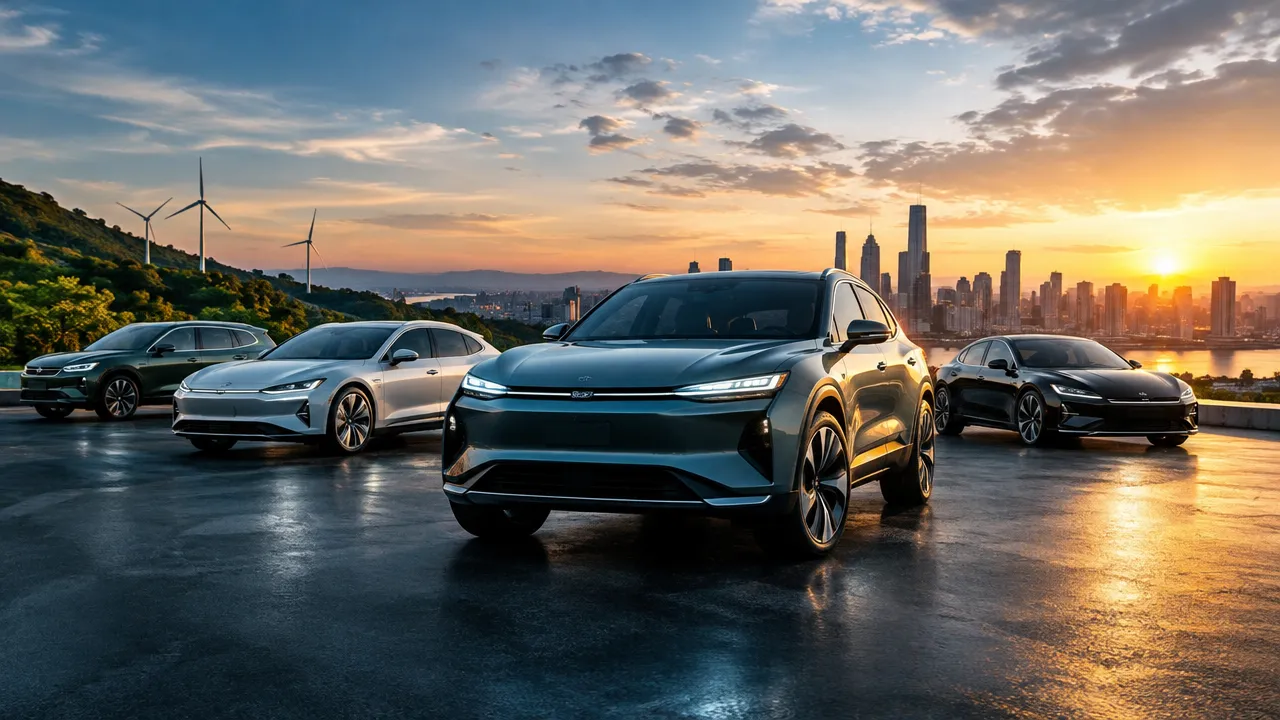
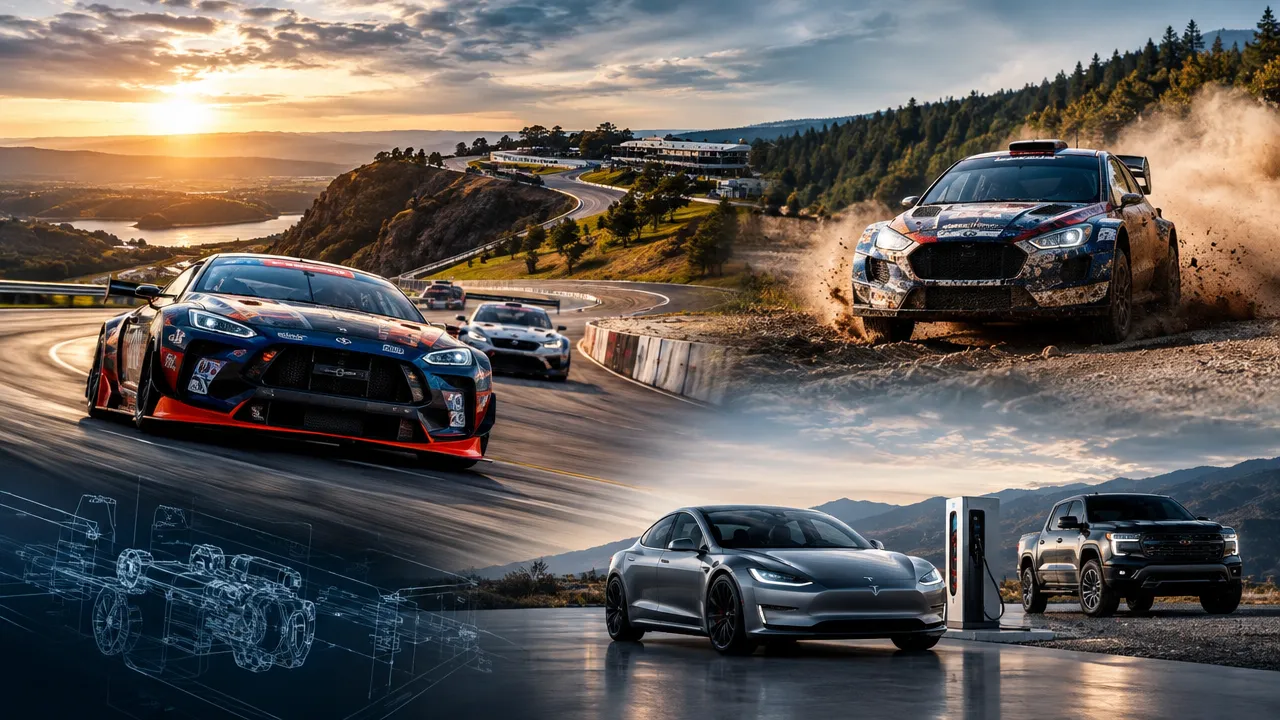
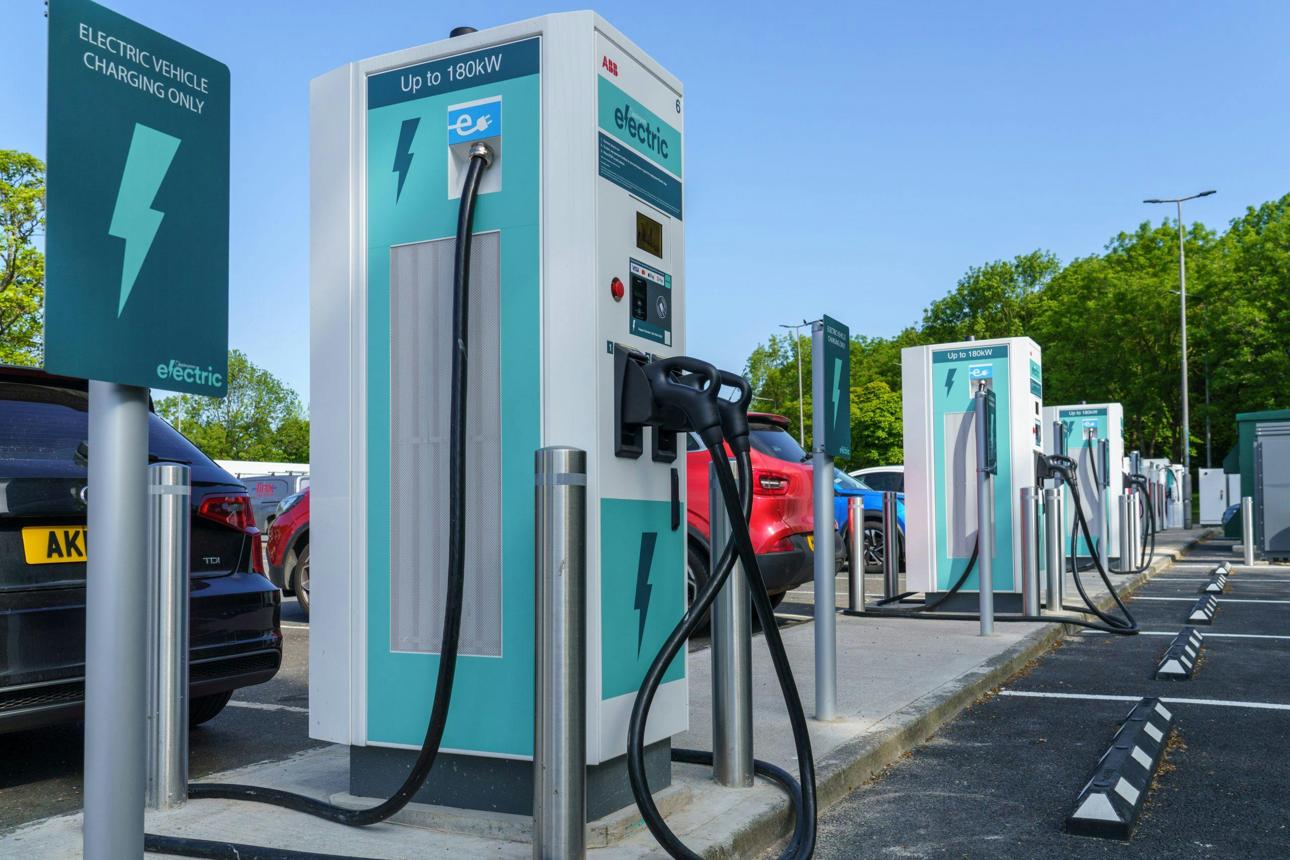
The news from Shell's EV concept alone is enough to make headlines. The oil giant has unveiled a new electric vehicle that achieves an impressive 6.2 miles per kWh, a figure that speaks to the efficiency gains being made in battery technology and power management systems. This isn't just another spec sheet – it represents a significant step forward in making electric vehicles more practical for everyday use. Combined with rapid charging capabilities, this concept could help address one of the biggest barriers to EV adoption: range anxiety. The implications are far-reaching, suggesting that the future of electric mobility might be more accessible than many had imagined, especially as traditional automakers look to partner with or learn from energy companies like Shell.
Rally Racing's Enduring Appeal in Australia
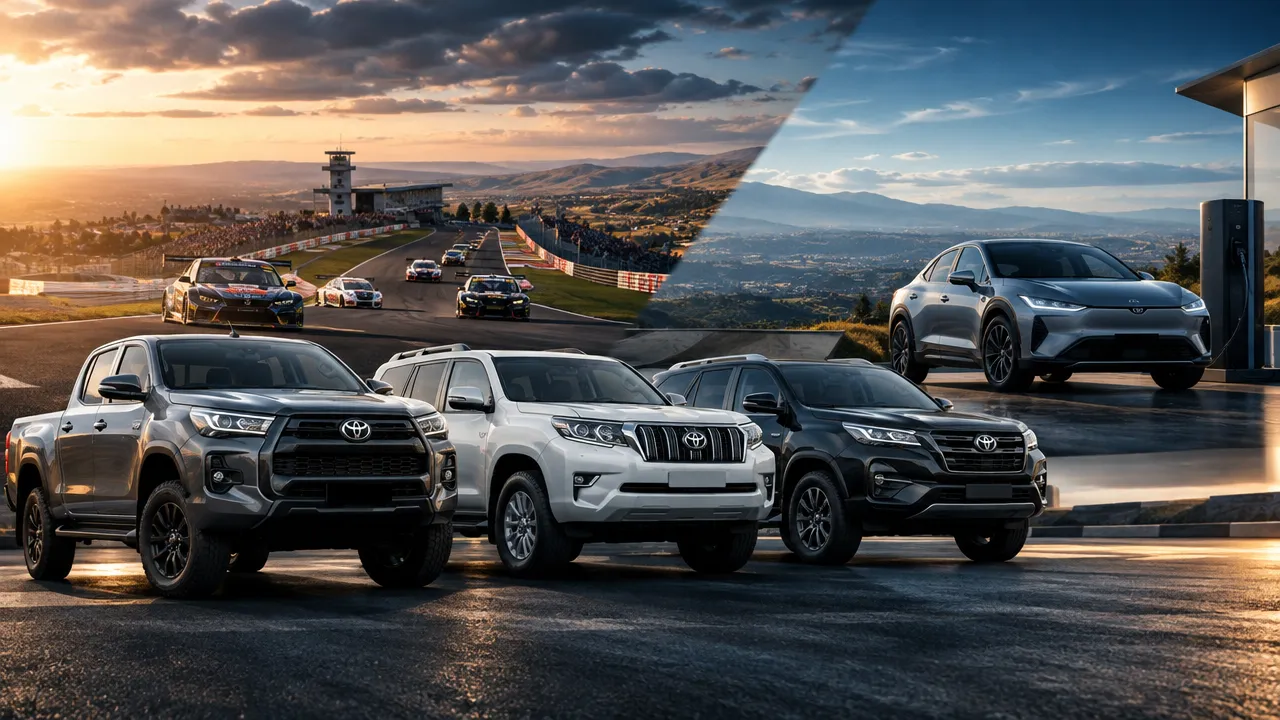
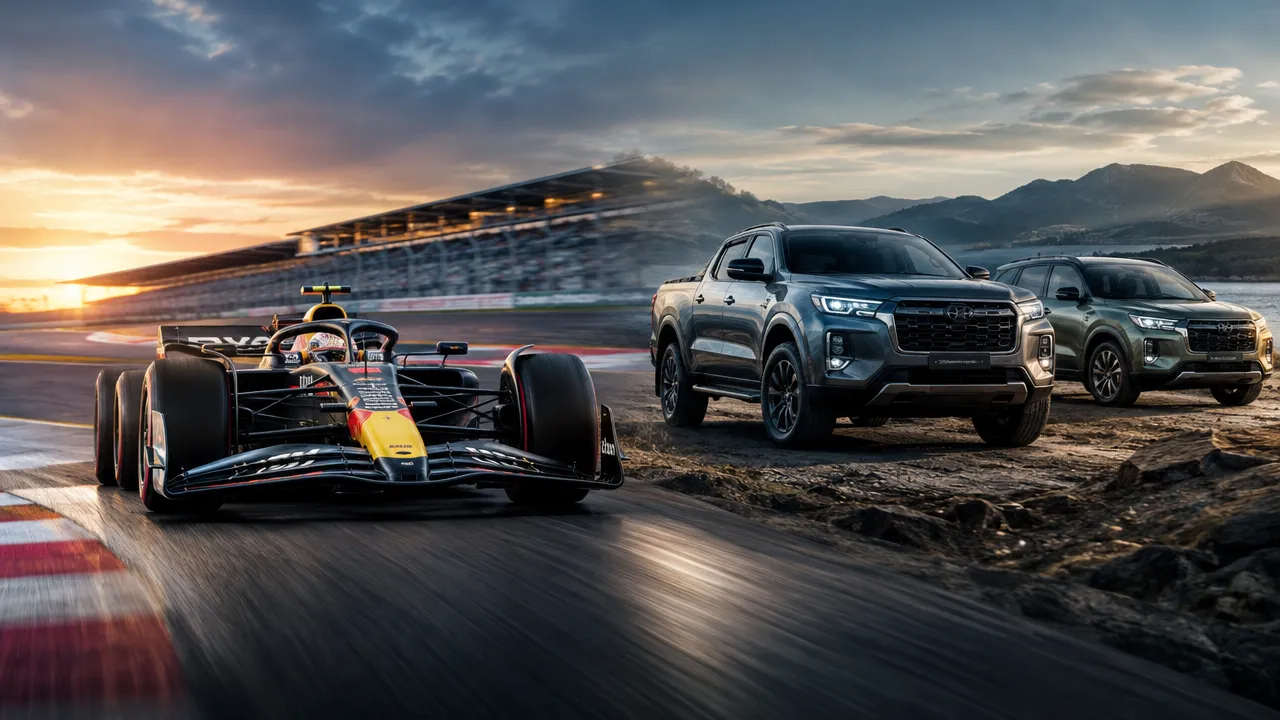
Australia's motorsport calendar is heating up with over 30 national events scheduled this week, showcasing the enduring popularity of rally and off-road racing. This grassroots excitement is more than just entertainment – it's a vital part of the automotive culture that keeps the spirit of competition alive. These events demonstrate that while manufacturers are investing heavily in electric and autonomous technologies, there remains a strong demand for traditional motorsport experiences. The rally scene also provides crucial testing ground for new technologies, from advanced suspension systems to driver assistance features that eventually make their way into consumer vehicles. It's a reminder that the future of automotive innovation isn't just about sleek designs and digital interfaces – it's also about the raw, unfiltered excitement of machines pushing their limits on challenging terrain.
Honda's Element Revival and the SUV Market Evolution
Honda's announcement of the 2029 Element revival signals a return to quirky, unconventional SUV design that challenges the industry's focus on mainstream appeal. This move reflects a growing consumer demand for vehicles that stand out from the crowd, particularly in the SUV segment where manufacturers have largely focused on size and utility over personality. The Element's revival could position Honda to directly compete with the Ford Bronco Sport, creating a fascinating dynamic in the off-road SUV market. The strategy suggests that automakers are beginning to recognize that consumers are willing to pay premium prices for vehicles that offer unique character and functionality. This trend could influence other manufacturers to revisit their own quirky concepts or invest more heavily in distinctive design elements that differentiate their offerings.
BYD's Strategic Brand Positioning in Australia
BYD's decision to reduce its lineup in Australia, despite strong sales growth, highlights the complexities of brand positioning in the competitive electric vehicle market. This strategic move reflects a company that's choosing to focus its resources on its most profitable segments rather than spreading itself thin across multiple models. It also underscores the challenges that Chinese manufacturers face in establishing themselves in Western markets, where consumers often have strong preferences for established brands. The reduced lineup might be a temporary strategy as BYD works to build brand recognition and trust, or it could represent a longer-term approach to market positioning that prioritizes quality over quantity. Either way, it demonstrates the importance of strategic thinking in an increasingly crowded marketplace.
Safety Concerns and Industry Trends
A concerning trend emerges from new safety data that reveals how taller truck hoods are actually worsening pedestrian safety issues, with the average new truck hood capable of causing serious injury to people under 5-foot-6. This finding challenges the common assumption that larger vehicles are inherently safer and highlights the complex relationship between vehicle design and pedestrian protection. Additionally, Mazda's extension of service intervals for diesel SUVs raises questions about the long-term reliability of these vehicles and the industry's approach to maintenance schedules. These developments suggest that the automotive industry is facing new challenges that extend beyond performance and efficiency, requiring careful consideration of how vehicle features impact safety for all road users.
Luxury Segment Transformation
The luxury segment is undergoing a significant transformation, with the facelifted 2027 Range Rover embracing electric power while maintaining its BMW V8 option. This dual approach reflects the industry's recognition that luxury consumers have diverse preferences, with some still seeking the visceral experience of traditional engines while others embrace the future of electrification. The Range Rover's evolution also signals that luxury manufacturers are learning to balance innovation with heritage, ensuring that their vehicles maintain their iconic status while adapting to changing market demands. Meanwhile, Canada's new regulations for Chinese EV sales and political tensions over gas pricing illustrate how geopolitical factors are increasingly influencing the automotive industry, adding another layer of complexity to an already dynamic market.
What This Means for Car Enthusiasts
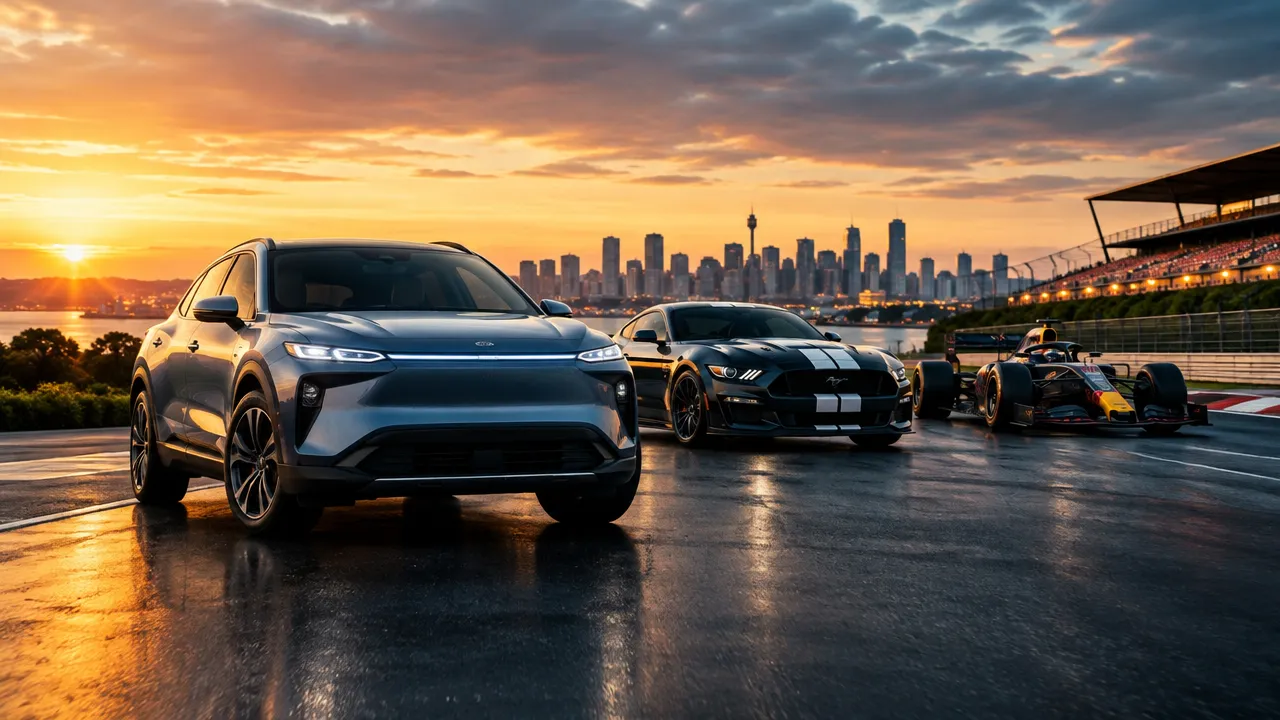
For car enthusiasts, today's automotive landscape represents both opportunities and challenges. The convergence of electrification and traditional motorsport shows that the industry is finding ways to honor its heritage while embracing innovation. The Element revival and Range Rover's electric transformation suggest that there's room for both practical utility and distinctive character in the market. However, the safety concerns and geopolitical tensions remind us that the automotive world isn't just about performance and design – it's also about responsibility and global cooperation. For enthusiasts, this means staying informed about evolving regulations, safety standards, and market dynamics that could affect everything from vehicle availability to long-term ownership costs. The future of automotive mobility is being shaped by a complex web of technological, cultural, and political forces, making it an exciting time to be engaged with the industry.