Skoda Slavia Gets AI Upgrade, GM Cracks Down on ADAS Parts, and More Automotive News
The automotive world is spinning faster than ever, with fresh developments that blend cutting-edge technology, classic design, and a dash of unexpected twists. From a modern facelift for a compact SUV to a bold stance on ADAS repairs by a major automaker, today's headlines are a fascinating snapshot of where the industry stands in 2026. As manufacturers continue to push boundaries—whether through AI integration or nostalgic celebrations—the lines between innovation and tradition keep blurring in exciting ways.
The buzz is especially strong in Europe and North America, where new models, platform shifts, and even regulatory updates are making headlines. Whether you're a fan of electric SUVs, classic car collecting, or simply love staying ahead of the curve on automotive trends, today’s news offers something for everyone. And as we continue to navigate the shifting dynamics of performance, connectivity, and sustainability, these stories underline just how dynamic the industry has become.
Skoda Slavia Gets a Modern Makeover with AI Integration
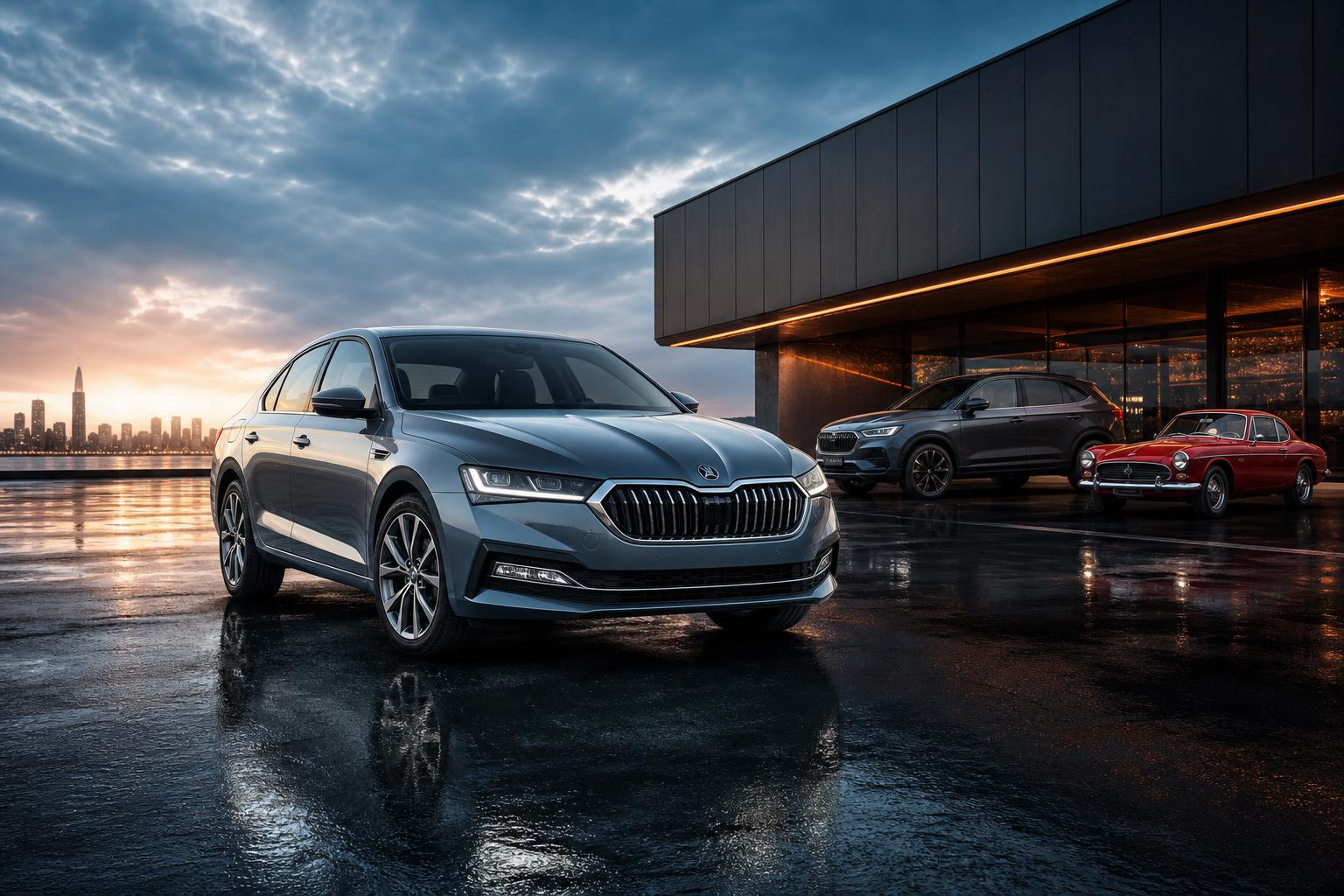
Skoda's latest compact SUV, the Slavia, is getting a significant refresh that brings it firmly into the modern era. The new model will feature AI-driven capabilities and upgraded transmissions, signaling Skoda’s commitment to staying competitive in an increasingly tech-savvy market. This facelift not only enhances performance but also adds layers of intelligent convenience that appeal to today's consumers who demand both style and substance.
Key highlights include:
AI integration for smarter driving assistance
Enhanced gearbox options for better performance
Updated interior design with modern infotainment systems
This move shows how even smaller brands are investing heavily in future-forward technologies, making vehicles not just more efficient but also more intuitive to use. It's a smart strategy to attract younger buyers who expect seamless connectivity and automation.
Mazda Confirms CX-30 Successor by 2030 Using CX-5 Cost-Cutting Tactics
Mazda is planning to launch a successor to its popular CX-30 by 2030, and it’s doing so with a strategic twist. The new model will be built using cost-saving methods inspired by the successful CX-5, which has long been praised for its value proposition. This approach reflects Mazda's growing focus on optimizing production while maintaining its core brand identity.
What this means:
A more affordable entry point for the next generation of compact SUVs
Shared platforms and components to reduce development costs
Continued emphasis on driving dynamics over raw power
This is a savvy move that allows Mazda to remain competitive without sacrificing its reputation for handling excellence. By leveraging what’s worked before, the brand can offer better value while still appealing to drivers who appreciate a sporty feel.
GM Bans Aftermarket ADAS Parts in Collision Repairs
General Motors has taken a firm stance on advanced driver-assistance systems by banning aftermarket and used parts from all ADAS collision repairs. This decision is likely driven by safety concerns, as the integrity of these systems can directly impact vehicle performance in critical situations.
Why it matters:
Ensures that repaired vehicles meet safety standards set by the manufacturer
Protects consumers from potential risks associated with unreliable or incompatible parts
Reinforces the importance of ADAS technology in modern vehicles
While this may inconvenience some repair shops and DIY enthusiasts, it’s a clear indication that automakers are taking control of their own tech ecosystems. As vehicles become more reliant on complex software and hardware integration, such measures will likely become more common.
Zeekr Previews PHEV SUVs for Australia, Toyota Celebrates Corolla's 60th Anniversary
On the electric front, Chinese EV brand Zeekr is preparing to enter the Australian market with a lineup of plug-in hybrid SUVs that are expected to be both stylish and efficient. Meanwhile, Toyota is marking six decades of the Corolla—a model that has become synonymous with reliability and global appeal.
Notable elements:
Zeekr’s PHEV SUVs are set to target environmentally conscious buyers in Australia
Toyota’s special Corolla edition celebrates its enduring legacy
Both developments highlight the shifting focus toward sustainability and long-term customer loyalty
These announcements reflect how automakers are adapting to changing consumer preferences, whether through electrification or nostalgia-driven marketing.
A Low-Powered Fiero Fetches High Prices for Its Lamborghini-Inspired Design
In a quirky turn of events, a low-powered Pontiac Fiero is selling for significant sums due to its unique styling that draws inspiration from Lamborghini. This unusual case underscores how certain design cues can transcend the original vehicle’s performance or practicality.
What this tells us:
Nostalgia and aesthetic appeal can drive value in unexpected ways
Classic car collecting is not just about mechanical excellence but also visual impact
Some vehicles become iconic simply because of their looks
It's a reminder that the automotive industry isn't only about function—it’s also deeply rooted in style, emotion, and cultural significance.
AI License Plate Readers Legalized in North Carolina
North Carolina has legalized the use of AI-powered license plate readers, which raises questions about privacy and surveillance in public spaces. While this move may be aimed at improving security and law enforcement efficiency, it’s sure to spark debate among privacy advocates.
Key considerations:
Potential benefits for public safety and crime prevention
Concerns over data collection and misuse of personal information
The broader implications of AI integration in everyday life
This development reflects the growing intersection between automotive tech and societal norms—especially as vehicles become more connected and data-driven.
Mini Considering Breaking 70 Years of Platform Consistency for Next Cooper
Mini is reportedly exploring a major shift in its platform strategy, potentially abandoning decades of consistent engineering in favor of new technologies. This move could be a response to the EV revolution and changing consumer demands.
Why it matters:
A possible pivot toward electrification and modern powertrains
Reinforces the brand’s commitment to innovation over tradition
Could affect performance characteristics and driving dynamics
If true, this would mark one of the most significant changes in Mini’s history, showing how even iconic brands must evolve to stay relevant.
Bugatti CEO Eyes Manual Transmission for V16 Tourbillon—A Bold Departure from Ferrari
Finally, Bugatti’s CEO has expressed interest in introducing a manual transmission into the V16-powered Tourbillon—a move that would be a dramatic departure from Ferrari's approach and the industry trend toward automatics. While not expected to be production-ready anytime soon, it's an intriguing idea that highlights the continued fascination with manual driving experiences.
What this means:
A nod to driver engagement and classic performance
Shows how luxury automakers are still exploring niche preferences
Reflects the enduring popularity of manual transmissions among enthusiasts
This isn’t just about nostalgia—it’s a statement from a brand that wants to push boundaries even in an era where automatics dominate.
Conclusion: What This All Means for Car Enthusiasts
Today’s automotive news paints a vivid picture of an industry in transition. From AI-powered vehicles to nostalgic design cues, the trends are as diverse as they are compelling. For car enthusiasts, this is both thrilling and challenging. On one hand, we’re seeing exciting innovations that promise more intelligent, connected, and efficient driving experiences. On the other, there’s a growing tension between tradition and progress—especially when it comes to handling, performance, and personal engagement with the vehicle.
Whether you're excited about EV advancements, nostalgic for classic styling, or concerned about the future of ADAS safety, there's no denying that today's developments are shaping the next chapter in automotive history. As manufacturers continue to experiment, adapt, and innovate, enthusiasts have more choices than ever before—but also more reasons to stay informed and engaged.