Subaru's EV Breakthrough, Nissan's Nostalgic Pathfinders, and the Future of Automotive Partnerships
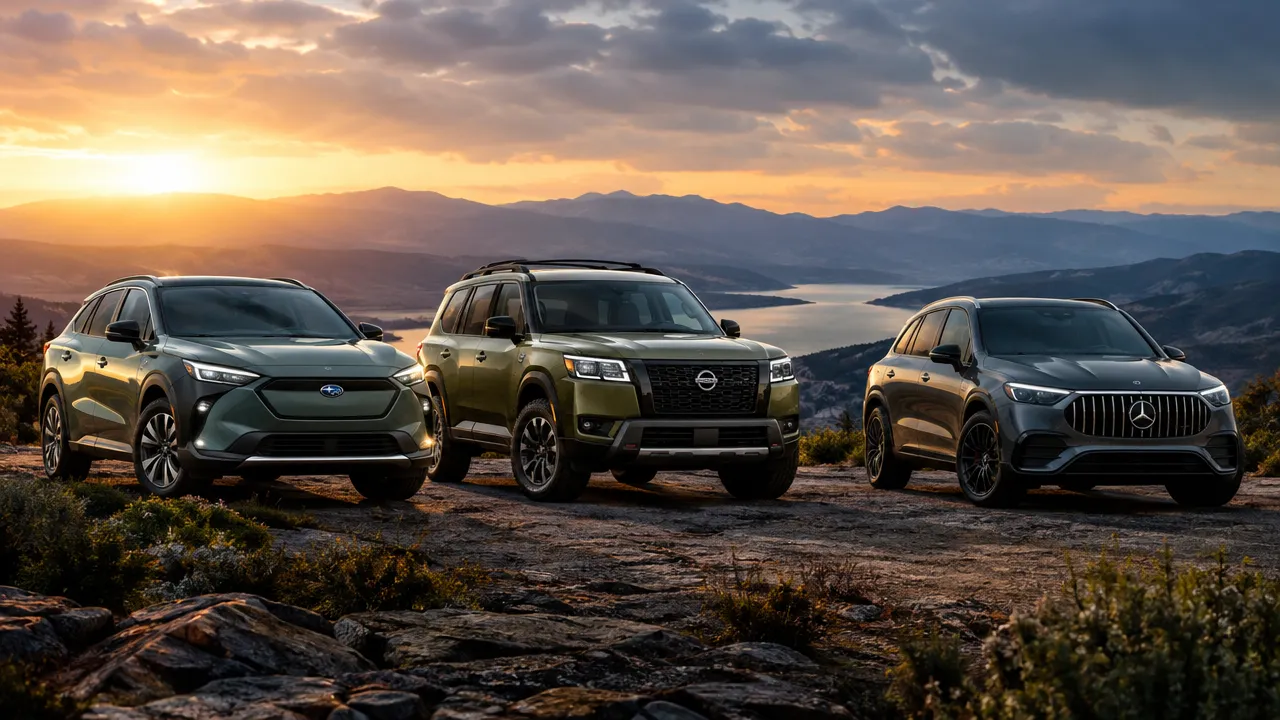
The automotive industry is in a constant state of flux, but today’s headlines offer a particularly telling glimpse into where manufacturers are heading next. From major shifts in EV development strategies to reimagined classics and bold new partnerships, the landscape is shifting faster than ever. The decisions made by brands like Subaru, Mitsubishi, and Mercedes-Benz this week aren’t just about new models—they’re statements of intent. This is a pivotal moment for carmakers trying to balance innovation with tradition, and the automotive world is watching closely.
The EV revolution isn't just about battery tech or charging infrastructure—it's also about how companies choose to build their future. With major automakers reassessing long-standing alliances, we're seeing a new era of independence, ambition, and even risk-taking in vehicle development. It’s clear that the days of relying solely on shared platforms and partnerships are giving way to bold moves that prioritize brand identity and market positioning.
The automotive industry is at a crossroads where history meets innovation, and today’s news reveals how brands are preparing for what lies ahead. Whether it's Subaru’s first in-house EV or Mitsubishi’s unexpected choice of tech partner, each development signals a deeper reevaluation of strategy, consumer demand, and competitive positioning across the globe.
Subaru Unveils Its First In-House Electric Vehicle
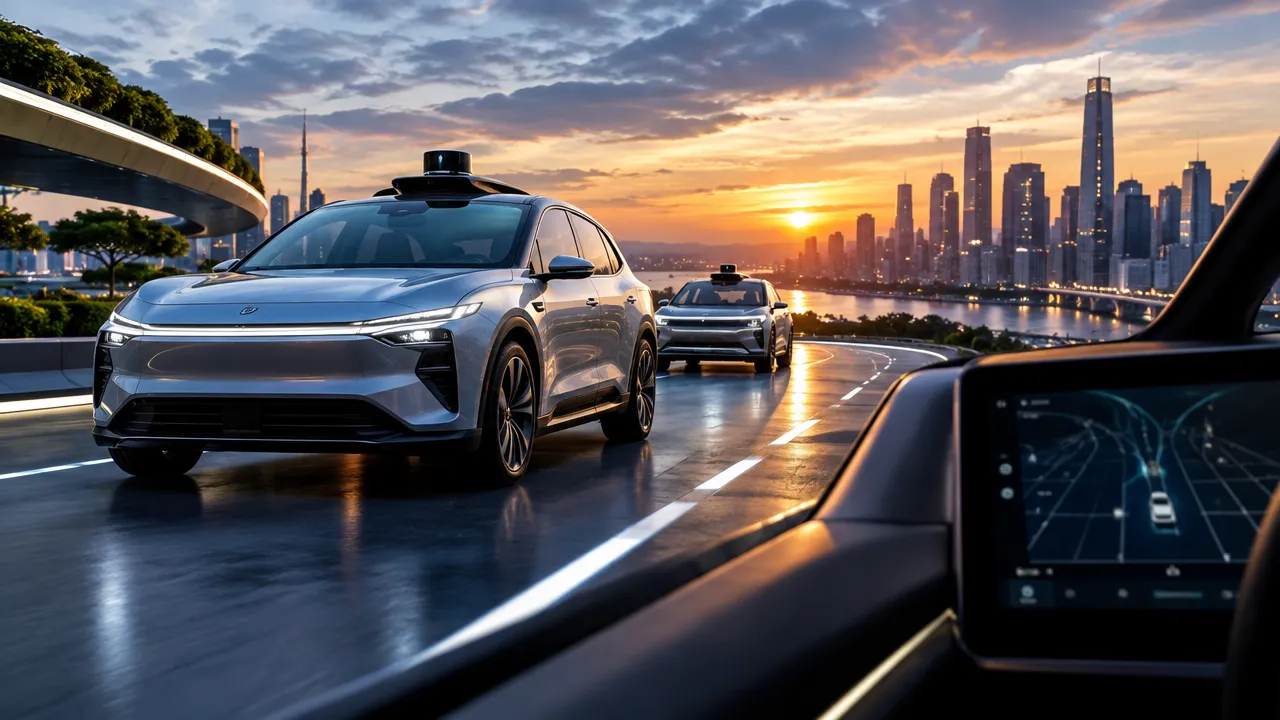
Subaru’s move to develop its own electric vehicle without Toyota is a major departure from its recent history. The Outback-based EV, unveiled this week, marks the end of an era for the brand’s reliance on shared platforms with its long-time partner. This shift reflects Subaru’s ambition to establish a distinct identity in the EV space and reduce dependency on external suppliers.
Key points:
The new EV will be built on a dedicated platform, signaling Subaru's commitment to in-house development
It’s expected to be an affordable, practical electric vehicle aimed at mainstream consumers
The decision to go solo is part of a broader trend among automakers to maintain control over their EV strategies
This move is not just about autonomy—it’s also about creating a unique product that aligns with Subaru’s identity. Unlike other brands leaning into shared technology or partnerships, Subaru is choosing to build its own path. It remains to be seen how this will play out in terms of cost and performance, but it’s a clear indicator of the brand’s long-term vision.
Mitsubishi Chooses Foxtron Over Established Partnerships for EV Development
In a surprising twist, Mitsubishi has opted for lesser-known EV tech partner Foxtron over established names like Nissan and Renault. This marks a significant pivot in how Japanese automakers approach electrification, especially as they seek to avoid dependency on legacy partners who may not align with their future goals.
Key points:
Foxtron’s involvement is a strategic bet on newer, more agile EV tech firms
The ASX VR-e’s advanced features are tailored toward tech-savvy buyers, though this might alienate traditional buyers
This choice reflects Mitsubishi’s desire to differentiate its EV strategy from others in the region
While this could be a smart move for innovation and speed, it also introduces risks. By choosing an unfamiliar partner, Mitsubishi is gambling on Foxtron's ability to deliver reliable, scalable technology. It’s an interesting gamble that will be closely watched by other automakers considering similar shifts.
Luxury EV Showdown: Mercedes-Benz Launches Electric C-Class Against BMW
Mercedes-Benz enters the luxury electric vehicle segment with a bang, launching its electric C-Class to challenge BMW’s established dominance in the premium EV market. This move underscores the importance of electrification for luxury brands and their need to maintain relevance in a rapidly changing landscape.
Key points:
The electric C-Class is designed to compete directly with BMW’s iX and i4 models
It features Mercedes’ latest infotainment and driver assistance technologies
The vehicle represents a strong push by the German brand to secure its position in the EV race
This launch shows how luxury automakers are not only adapting to electrification but also using it as an opportunity to innovate and redefine their offerings. With Mercedes-Benz, there’s no doubt that they’re determined to keep their crown in the premium segment.
Jaguar Land Rover and Chery Prepare Australia's Next Freelander 8
Jaguar Land Rover and Chery have unveiled the next-gen Freelander 8, set for an Australian launch in 2027. This plug-in hybrid model is a blend of JLR’s heritage and Chery’s engineering capabilities, aimed at capturing the growing demand for eco-friendly SUVs.
Key points:
The Freelander 8 will feature a plug-in hybrid powertrain that balances performance and efficiency
It’s designed to appeal to Australian consumers who value both ruggedness and modern technology
JLR-Chery collaboration is a strategic move to expand their footprint in key global markets
The Freelander 8 represents an interesting evolution of the iconic SUV, blending traditional off-road prowess with new-age electrification. For those looking for a capable, eco-conscious SUV, this model could be a strong contender.
The Broader Shift Toward Electrification and Strategic Realignment
Today’s developments are not isolated incidents—they’re part of a larger trend where automakers are reevaluating their approach to EV development and strategic partnerships. Brands that were once heavily reliant on shared platforms and joint ventures are now moving toward more independent strategies, driven by the need for faster innovation and better control over product development.
Key trends:
Independence from legacy partners is rising as brands seek more control over their EV strategies
The shift is evident across both mainstream and luxury segments
Consumer preferences are increasingly favoring vehicles that balance performance, technology, and sustainability
These changes come at a time when the EV market is maturing. As brands gain experience, we’re seeing more nuanced approaches to electrification—some leaning into performance, others focusing on affordability or luxury. The key is finding the right balance between innovation and consumer acceptance.
What This Means for Car Enthusiasts
For car enthusiasts, this wave of EV developments offers a mixed bag of excitement and uncertainty. On one hand, we’re getting more diverse and ambitious electric models, from Subaru’s practical EV to Mercedes-Benz’s luxury flagship. On the other hand, the industry’s shift toward partnerships and shared technologies could limit the variety of unique, brand-specific driving experiences.
Key takeaways for enthusiasts:
More independent EV development means more innovative approaches to design and performance
Strategic realignment may lead to fewer but more impactful new models
The blend of nostalgia and electrification is a growing trend that adds emotional appeal to modern vehicles
The automotive world is evolving rapidly, and today’s news reflects that change. Whether it's Subaru’s bold move, Mitsubishi’s tech gamble, or Mercedes-Benz’s luxury EV launch, the future is being written with a mix of ambition, caution, and innovation. For car lovers, this is just the beginning of what promises to be an electrifying journey ahead.