Suzuki's Tiny Supercar, Ford's Manufacturing Fight, and the Future of EVs: Friday's Automotive Headlines
The automotive world never stops spinning, and this Friday, July 3, 2026, is no exception. From quirky supercars to serious manufacturing debates, the industry is showing its full range of innovation and complexity. It’s a landscape where niche players like Suzuki make headlines with bold design choices, while major automakers like Ford and Honda navigate the tricky waters of global supply chains and local regulations. Whether it’s a tiny mid-engine car with gullwing doors or a major partnership between two giants, the day’s stories paint a picture of a dynamic, ever-evolving industry. As we dig into today’s key automotive news, it’s clear that the future isn’t just about speed or power—it’s about strategy, resilience, and sometimes, a little bit of surprise.
Suzuki's Unexpected Supercar Makes Waves
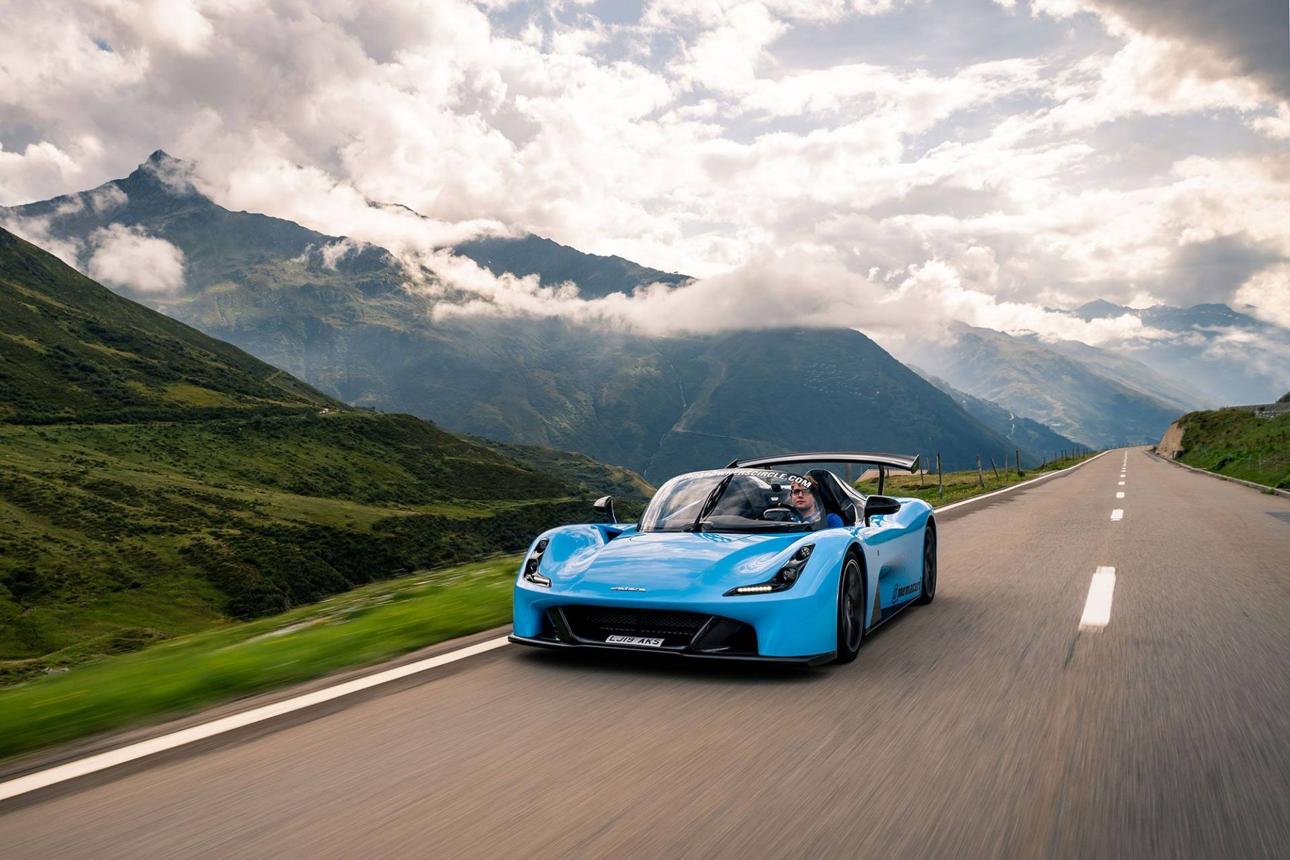
Suzuki’s latest offering, the Cara, is one of those automotive surprises that catches everyone off guard. This tiny, mid-engine supercar comes with gullwing doors, a feature usually reserved for high-end luxury or classic models, and it’s powered by a modest 64 horsepower. While the power output may seem underwhelming, it’s the design and intent that are truly striking. The Cara isn’t about brute force—it’s about clever engineering in a compact package, appealing to enthusiasts who appreciate the art of minimalism and performance. It’s a reminder that not every supercar needs to be a beast, and sometimes, the smallest machines can make the biggest statements.
Ford Pushes Back Against Imported Vehicles
Ford CEO Jim Farley is making his stance clear: American manufacturing deserves recognition and reward. In a bold move, Farley is pushing back against the tide of imported vehicles, arguing that domestic production should be incentivized. This isn’t just about politics—it’s about job preservation, economic sovereignty, and maintaining a competitive edge in a global market. It’s a stance that resonates with many in the industry who are watching the effects of global supply chain disruptions and the growing push for localization. Farley’s advocacy could have long-term implications for how automakers approach production decisions and government relations.
Honda and Nissan Close In on Major Cooperation Deal
The automotive world is buzzing with speculation about a potential cooperation deal between Honda and Nissan. If finalized, this partnership could significantly reshape component and software development within the industry. The move would reflect a growing trend of automakers pooling resources to navigate the complexities of electrification, autonomous driving, and cost management. It’s a smart strategy that allows both companies to reduce development costs while leveraging each other’s strengths. The collaboration could also serve as a model for how other automakers might approach similar challenges in the future.
Land Rover’s Discovery Gets a Power Boost
The 2027 Land Rover Discovery is set to drop its turbo four-cylinder engine in favor of a more powerful 3.0-liter six-cylinder unit. This is a significant shift for the brand, signaling a move toward more robust performance and capability. The new engine will offer better torque and power, especially for those who rely on the Discovery for off-road adventures or heavy-duty tasks. It’s a response to consumer demand for more performance and a clear indication that Land Rover is committed to evolving its lineup in a way that maintains its rugged identity while pushing the boundaries of what the brand can offer.
EV Market Shows Promise and Limitations
While electric vehicles continue to gain traction, the market still faces some challenges. Slate’s affordable truck, for example, remains south of the border, leaving a gap in the Canadian market. However, Ford is stepping in to fill that void, showing that automakers are still adapting to regional demands. The EV landscape is still a mixed bag—there’s excitement about affordability and accessibility, but also limitations in infrastructure and consumer adoption. It’s a reminder that while the future is electric, the path there is not without obstacles.
Cadillac CT5 Outperforms Crossovers, BMWs Still Selling in Russia
In the luxury segment, the Cadillac CT5 sedan is outperforming crossovers, proving that traditional sedans still have their place in the market. It’s a testament to the enduring appeal of a well-designed, performance-focused vehicle. Meanwhile, despite BMW’s disassociation from Russia, bootleg versions of the brand’s vehicles are still selling. This highlights the persistent demand for luxury vehicles in regions where official supply chains are disrupted. It also raises questions about brand loyalty, legality, and the global reach of automotive culture.
McMurtry’s Spéirling PURE Enters Production
The high-performance realm is getting a new entry with McMurtry’s Spéirling PURE, a vehicle that boasts 1,000 horsepower and upside-down driving capabilities. This is not just a car—it’s a statement of intent from a company that thrives on pushing boundaries. The Spéirling PURE is aimed at the ultra-luxury and extreme performance market, where enthusiasts are willing to pay a premium for innovation and raw power. It’s a reminder that even in a world of electrification and regulation, there’s still space for the most ambitious and daring automotive dreams.
Honda CR-V Tops U.S. Sales, RAV4 Drops Out of Top Spot
The Honda CR-V has officially taken the top spot in U.S. sales, overtaking both the Ford F-150 and the Toyota RAV4. This is a significant moment, especially considering the RAV4’s 36% sales drop, which removed it from the top tier. It’s a reflection of changing consumer preferences, where SUVs and crossovers continue to dominate, but brands must stay agile to maintain their positions. Honda’s success with the CR-V underscores the importance of reliability, practicality, and customer satisfaction in today’s competitive landscape.
Ontario Insurance Rules Pose New Challenges
On the regulatory front, Ontario’s new insurance rules are creating financial risks for self-employed drivers in the automotive sector. This is a complex issue that reflects the broader challenges automakers face when balancing global strategies with local laws. As governments around the world continue to update regulations, the industry must adapt quickly to avoid financial pitfalls. It’s a reminder that the business of automotive is not just about building cars—it’s also about navigating the legal and financial terrain of the markets in which they operate.
What This Means for Car Enthusiasts
This Friday’s headlines offer a compelling snapshot of the automotive world’s current state. From niche supercars to major corporate strategies, the industry is showing its diversity and adaptability. For car enthusiasts, it means a wealth of options, whether it’s the thrill of a new high-performance vehicle or the satisfaction of supporting domestic manufacturing. The future of automotive is multifaceted, and today’s stories remind us that innovation, tradition, and strategic thinking are all essential ingredients in keeping the industry vibrant and exciting.