Tesla's Massive Recall, Stolen Chevelle Return, and a Strike in South Korea: The Week's Wild Automotive Ride
The automotive world keeps spinning with its usual mix of innovation, mishaps, and unexpected turns—and today, August 22, 2026, is no different. It's been a week filled with recalls that shake the industry’s confidence, stories of rare vintage car recoveries, and labor tensions that hint at deeper shifts in how we build and sell cars. From Tesla facing its biggest recall yet to a classic muscle car resurfacing after three decades in hiding, there’s more going on than just another news cycle. Meanwhile, new technologies are emerging from the shadows, like solar sunroofs for EVs and robotaxis that seem to be learning how to navigate real-world chaos. And let's not forget the labor unrest brewing in South Korea—where Hyundai workers have gone on strike for the first time in over a decade. If this week’s headlines were a movie, it would be a high-octane thriller with twists, turns, and a few explosions along the way.
Tesla’s Massive Recall Sends Shockwaves Through the EV Industry
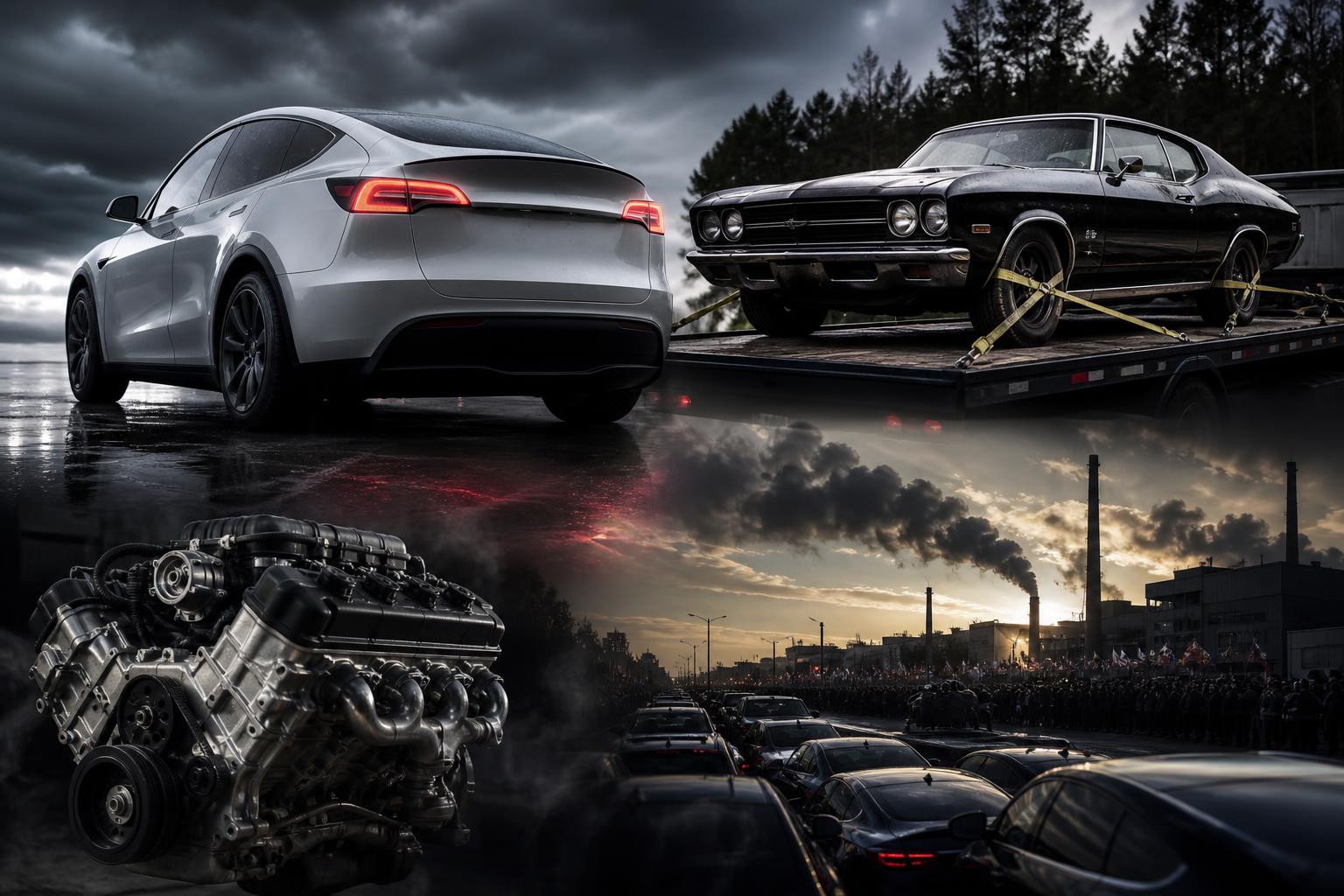
Tesla has just taken a major hit with what may be its largest recall in history. A faulty electronic door system is affecting nearly three million vehicles, a problem that could leave drivers stranded or worse, trapped in their own cars. The issue underscores how quickly even the most advanced automakers can fall victim to seemingly small design flaws when scaled across millions of units. While Tesla’s engineering has often been lauded for its innovation, this recall highlights the potential pitfalls of pushing boundaries too far without sufficient long-term testing. As EVs become more prevalent, this incident serves as a wake-up call that even digital systems must be robust enough to handle the real world—especially when lives are at stake.
GM's V8 Engines Continue to Cause Headaches
While Tesla struggles with its electronic door recall, General Motors is dealing with another persistent problem in its 6.2-liter V8 engine. Despite previous fixes and modifications, these engines continue to fail, raising serious questions about quality control and long-term reliability. The repeated issues not only damage GM’s reputation but also expose deeper challenges within the company's manufacturing processes and testing protocols. This is particularly concerning for owners of muscle cars and trucks who rely on their V8s for performance and durability. For a brand that has long prided itself on engine excellence, these ongoing failures are a stark reminder that even the most iconic powertrains can become liabilities if not properly maintained.
A Stolen Chevelle Returns After 33 Years
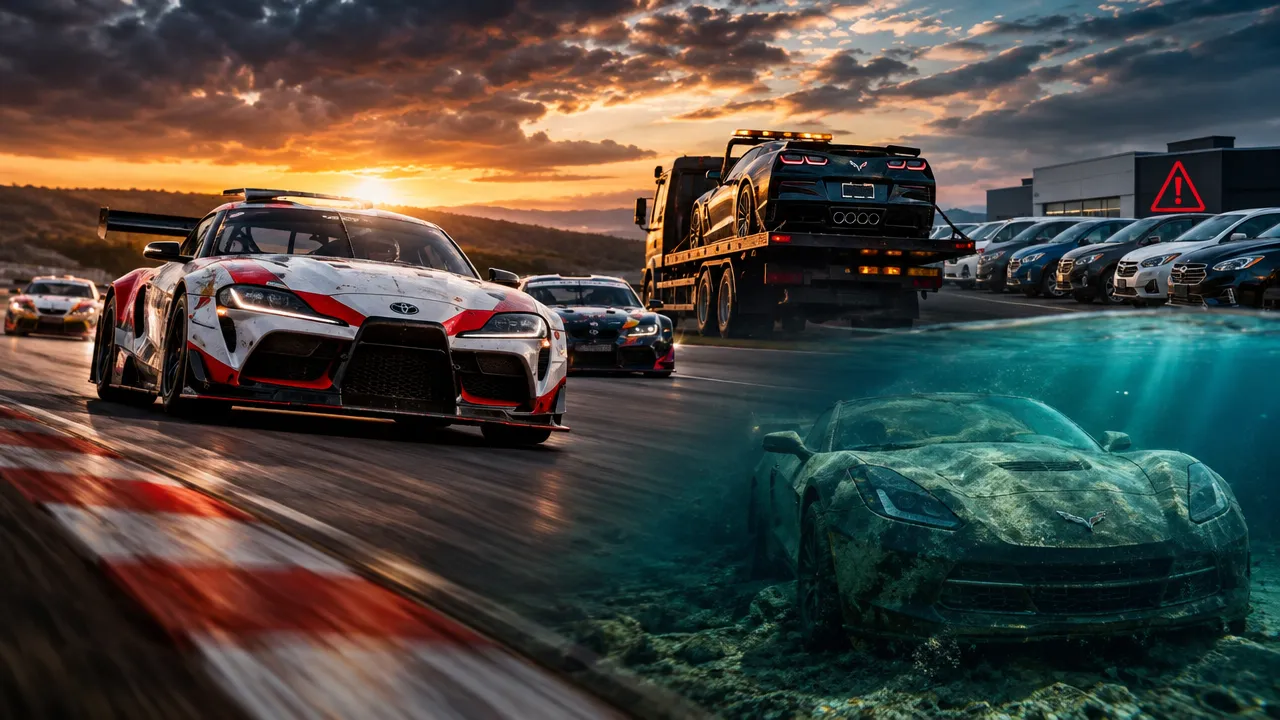
One of the more heartwarming stories in recent weeks is the return of a stolen 1971 Chevelle SS. After being missing for over three decades, the car was finally recovered and reunited with its owner—a testament to persistence, detective work, and perhaps a bit of luck. The Chevelle, a symbol of American muscle car culture, had been taken during a time when car theft was more common and tracking systems were less sophisticated. Its return not only brings joy to collectors but also reinforces the cultural significance of these vehicles in the U.S. automotive landscape. This story is a reminder that some cars are more than machines—they’re pieces of history.
Porsche Unveils New 911 Cup for 2027
Porsche’s latest move into motorsport comes with the announcement of its new 911 Cup car, scheduled to compete in Australia's Carrera Cup Championship starting in 2027. The 911 Cup is designed to offer a more accessible platform for amateur drivers while maintaining the performance and technology that Porsche is known for. This development signals Porsche’s continued commitment to grassroots motorsport, especially as racing becomes increasingly competitive and technologically advanced. It also reflects how manufacturers are leveraging their brand legacy to stay relevant in a global racing scene.
Hyundai Workers Strike Amid Automation Concerns
In an unusual move, workers at Hyundai's South Korean facilities have gone on strike for the first time in over ten years. The cause? Automation and fears that job security is being compromised. This is a rare occurrence for a company with such a strong track record in manufacturing and global expansion. The strike highlights growing tensions between automation and labor rights—something we're likely to see more of as EVs and smart manufacturing reshape the industry. As Hyundai considers expanding into the U.S. market due to Trump’s tariffs, this labor unrest could influence future decisions and potentially lead to changes in how the company approaches workforce development.
Solar Sunroofs Make Their Way into EV Production
A Chinese glass supplier has unveiled a production-ready solar sunroof for electric vehicles—a breakthrough that could help extend EV range and reduce charging dependency. While still in early stages, this technology shows promise in an industry constantly looking for ways to enhance efficiency. Solar panels integrated into vehicle roofs may become more common as automakers explore new avenues to boost sustainability and performance. Though the technology is not yet widely available, it represents a forward-thinking approach to EV development that could reshape how we think about energy generation in vehicles.
Grey-Market Audis Flood German Dealerships
Meanwhile, Chinese-built Audis are making their way into Germany’s automotive market at significantly discounted prices. This grey-market activity is causing concern among established dealers and manufacturers who fear it undermines the brand's value and pricing strategy. While these cars may be functionally identical to their European counterparts, their lower price points and unknown origins raise questions about quality assurance and consumer protection. The trend reflects broader global trade dynamics and how emerging markets are increasingly influencing traditional automotive sales.
Jeep’s Marvel-Themed Concepts Add to the Fun
Jeep is stepping up its concept game with two new Marvel-themed vehicles: one is a high-performance off-road version called the “Avenger Deus Ex Machina.” This extreme off-road machine is designed for serious terrain and showcases how automakers are tapping into pop culture trends to create excitement. These kinds of limited-edition collaborations not only generate buzz but also allow manufacturers to explore new design directions and target niche markets with unique offerings.
Tesla Robotaxi Incident Raises Safety Questions
Tesla’s robotaxi continues to stir controversy after a recent incident in Austin where it bulldozed its way out of a traffic jam. While the vehicle was simply following its programmed route, the aggressive behavior raises serious questions about how autonomous systems should be designed to interact with real-world traffic and pedestrians. As self-driving technology becomes more mainstream, these incidents will likely become more frequent—and more scrutinized—highlighting the need for improved safety protocols and clearer regulatory guidelines.
What This All Means for Car Enthusiasts
Today’s automotive headlines paint a picture of an industry in transition—one that is grappling with new technologies, evolving labor dynamics, and shifting market realities. For car enthusiasts, this means more unpredictability, but also greater opportunities to engage with the latest innovations. Whether it's the return of a classic Chevelle or a new solar sunroof on an EV, these developments remind us that the automotive world is constantly evolving. As we move forward, one thing remains clear: whether you're into muscle cars, electric vehicles, or autonomous driving, there’s never been a more exciting—and unpredictable—time to be part of the car world.