Tesla Settlement, McLaren Artura Farewell, and Global Electrification Boom in Australia
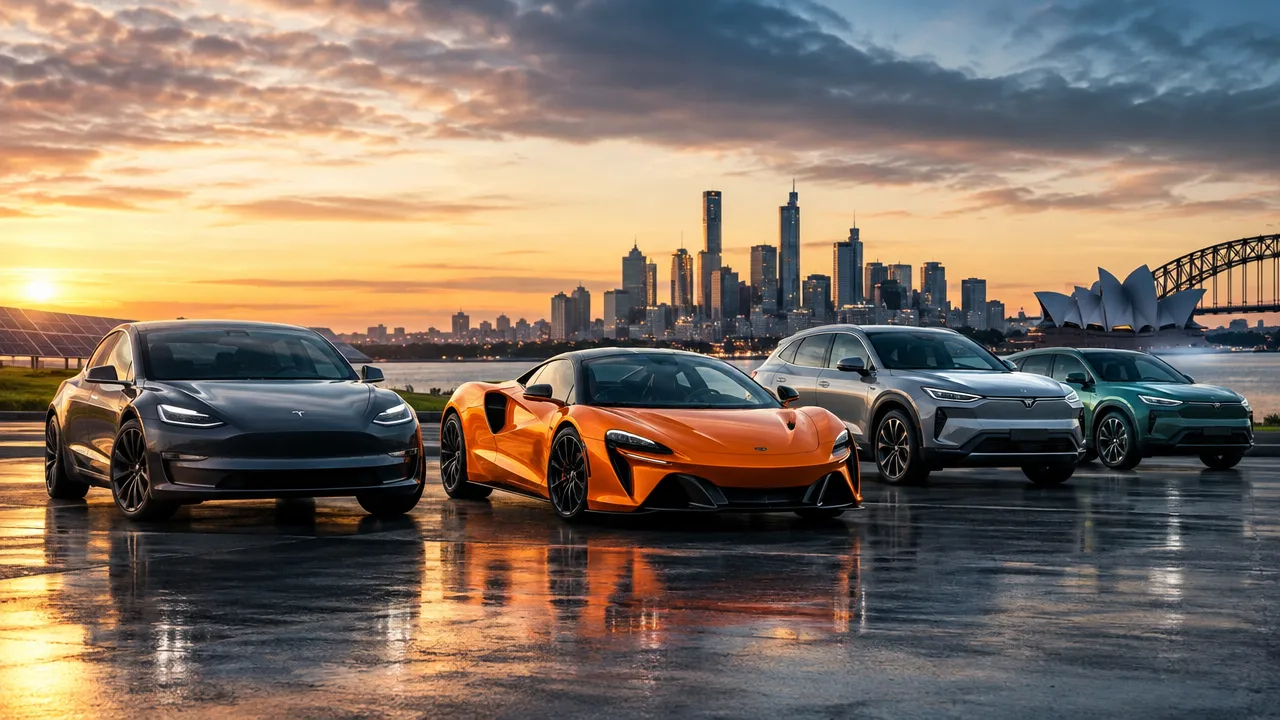
The automotive world is witnessing a dramatic shift in 2027, with electrification taking center stage across global markets. The Australian landscape is no exception, as international automakers are making bold moves to capture market share and respond to evolving consumer preferences. From high-performance electric SUVs to affordable plug-in hybrids, the nation’s automotive scene is heating up like never before. Meanwhile, legal settlements and strategic exits are reshaping company portfolios, with Tesla opting for out-of-court resolutions and McLaren preparing to phase out one of its flagship models. These developments signal a pivotal moment in the industry's evolution, where performance, sustainability, and global competition converge.
This Friday’s automotive headlines are packed with momentum-setting decisions that will influence how we drive—and think—about cars in the years to come. The latest updates span from legal settlements and brand transitions to the launch of new models and expanding green energy initiatives. Whether it's Tesla avoiding a costly trial, McLaren bidding farewell to the Artura, or Chinese automakers flooding into Australia with competitive PHEVs, the ripple effects are already being felt across dealerships and consumer minds alike.
Tesla Settles Autopilot Lawsuit Out of Court
Tesla’s decision to settle autopilot-related lawsuits out of court marks a significant moment in the company's legal journey. According to Carscoops, this move likely saved Tesla from potentially costly jury trials that could have set precedents for future liability cases involving autonomous driving technology. The settlement reflects a growing industry trend where companies are prioritizing strategic resolution over prolonged litigation, especially when it comes to emerging technologies like autopilot systems. While the exact terms of the agreement remain undisclosed, the outcome suggests Tesla is keen on maintaining control over its narrative and minimizing long-term financial exposure.
McLaren Bids Farewell to Artura in 2028
The automotive world is saying goodbye to an iconic model as McLaren prepares to phase out the Artura by 2028. Despite its strong performance and innovative hybrid technology, the Artura has struggled financially, according to Carscoops. This exit from the lineup underscores the challenges faced by high-end manufacturers when balancing innovation with profitability in a competitive market. For enthusiasts, this signals a turning point—McLaren may be shifting focus toward other models that better align with consumer demand and market realities.
GAC S7 Joins Kia Sorento PHEV Rivalry in Australia
Australia is seeing increased competition in the plug-in hybrid segment as GAC’s S7 enters the market, joining the Kia Sorento PHEV as a direct rival. As reported by CarExpert, this move by GAC highlights China's expanding influence in global automotive markets and its growing presence in traditionally Western-dominated regions like Australia. The S7 brings its own set of features and pricing strategies to challenge existing models, further fueling the demand for more efficient, hybrid-powered vehicles among Australian consumers.
BYD Extends Vehicle-to-Grid Program with Sealion 7
BYD continues to lead the charge in sustainable automotive technology by extending its vehicle-to-grid (V2G) program to include the Sealion 7. This development is part of a broader push toward smart energy integration, where vehicles aren’t just modes of transport but also contributors to power grids. By enabling bidirectional charging capabilities, BYD empowers EV owners to not only charge their cars from the grid but also feed excess electricity back into it—offering real-world benefits for those looking to reduce costs and support renewable energy initiatives.
New Plug-in Hybrids From Geely and GWM Enter the Market
In an aggressive expansion of electrified offerings, Geely is launching three new plug-in hybrid models in Australia, including an 830kW SUV. Meanwhile, the 2027 GWM Cannon Hi4-T will become the country’s cheapest PHEV ute, offering affordable access to hybrid technology for utility vehicle buyers. These launches are indicative of a broader industry trend toward democratizing electric mobility, making it accessible not just to luxury buyers but also to everyday drivers.
Cadillac Joins Australia with High-Performance Lyriq-V
Cadillac’s entry into the Australian market with its high-performance Lyriq-V brings European luxury and American muscle together in one package. Positioned competitively against established luxury EVs, the Lyriq-V offers a blend of performance and premium features that appeal to discerning buyers. Its arrival reinforces Cadillac's global positioning and suggests that the brand is serious about capturing a slice of the growing EV market in key international markets like Australia.
BYD M9 PHEV Targets Kia Carnival Hybrid Segment
BYD’s M9 PHEV enters the Australian market with a starting price of $61,990, targeting the Kia Carnival Hybrid segment. This pricing strategy positions BYD as a formidable competitor in the family SUV space, offering an affordable yet feature-rich alternative to established models. With its strong lineup of electric and hybrid technologies, BYD is clearly positioning itself as a major player in Australia’s expanding electric vehicle ecosystem.
Dealer Incentives for Maybach S-Class Offer Potential Savings
Luxury car buyers are getting a boost with dealer incentives on Maybach S-Class models, which could potentially redirect funds toward purchasing a C43. These promotions highlight how automakers are leveraging incentives to drive sales across different segments, offering consumers more value while maintaining their premium brand positioning.
Industry Context and Analysis: A Shift Toward Electrification and Global Competition
The trends emerging from today’s automotive news reflect a fundamental shift in the global auto industry. Electrification is no longer just a buzzword—it’s a strategic imperative. With manufacturers like BYD, Geely, and GWM making aggressive moves into Australia, we’re seeing increased global competition that’s reshaping market dynamics. This competitive pressure is pushing all automakers to innovate faster, introduce more affordable hybrid options, and invest heavily in sustainable technologies.
Additionally, the legal settlements and model exits signal that even industry leaders like Tesla are adapting their strategies in response to evolving regulations and public expectations. As the industry moves toward a more regulated and environmentally conscious future, companies must balance innovation with risk management.
What This Means for Car Enthusiasts
For car enthusiasts, these developments offer a thrilling mix of new opportunities and strategic shifts. The arrival of high-performance EVs from brands like Cadillac and McLaren ensures that driving excitement remains intact even as electrification takes hold. Meanwhile, the proliferation of affordable plug-in hybrids means more options for those looking to transition to electric without breaking the bank.
Enthusiasts can also expect a deeper integration of smart technologies in vehicles, such as V2G capabilities, which will allow them to become active participants in energy markets rather than passive consumers. As the industry moves forward, staying informed about these trends will help enthusiasts make better choices—whether they’re planning their next purchase or simply keeping up with evolving automotive culture.
The road ahead is electric, competitive, and full of surprises. Whether you’re a tech-savvy EV owner or a traditional petrol-head, there’s never been a more exciting time to be part of the automotive world.