Tesla's Simple Design Wins Over Mazda's Complexity, Plus Electric Trucks and Motorhomes Make Waves
The automotive world keeps spinning with a fascinating mix of old-school engineering and futuristic innovation, and today's headlines are no exception. As we navigate through July 2026, it's clear that the industry is balancing nostalgia with necessity, while also wrestling with safety concerns and consumer preferences. From a simple four-button interface outperforming a 50-button one, to the quiet evolution of the mid-engine MR2, we're seeing how design decisions can shape not just user experience, but the very future of vehicle development. The electric revolution is heating up, with new models entering the market and price points rising as customization options multiply. Meanwhile, manufacturers are getting creative with vehicle segments, from compact motorhomes for first-time buyers to EVs with bold styling that nods to the past while embracing the future.
Tesla's Interface Wins Over Mazda's Complexity
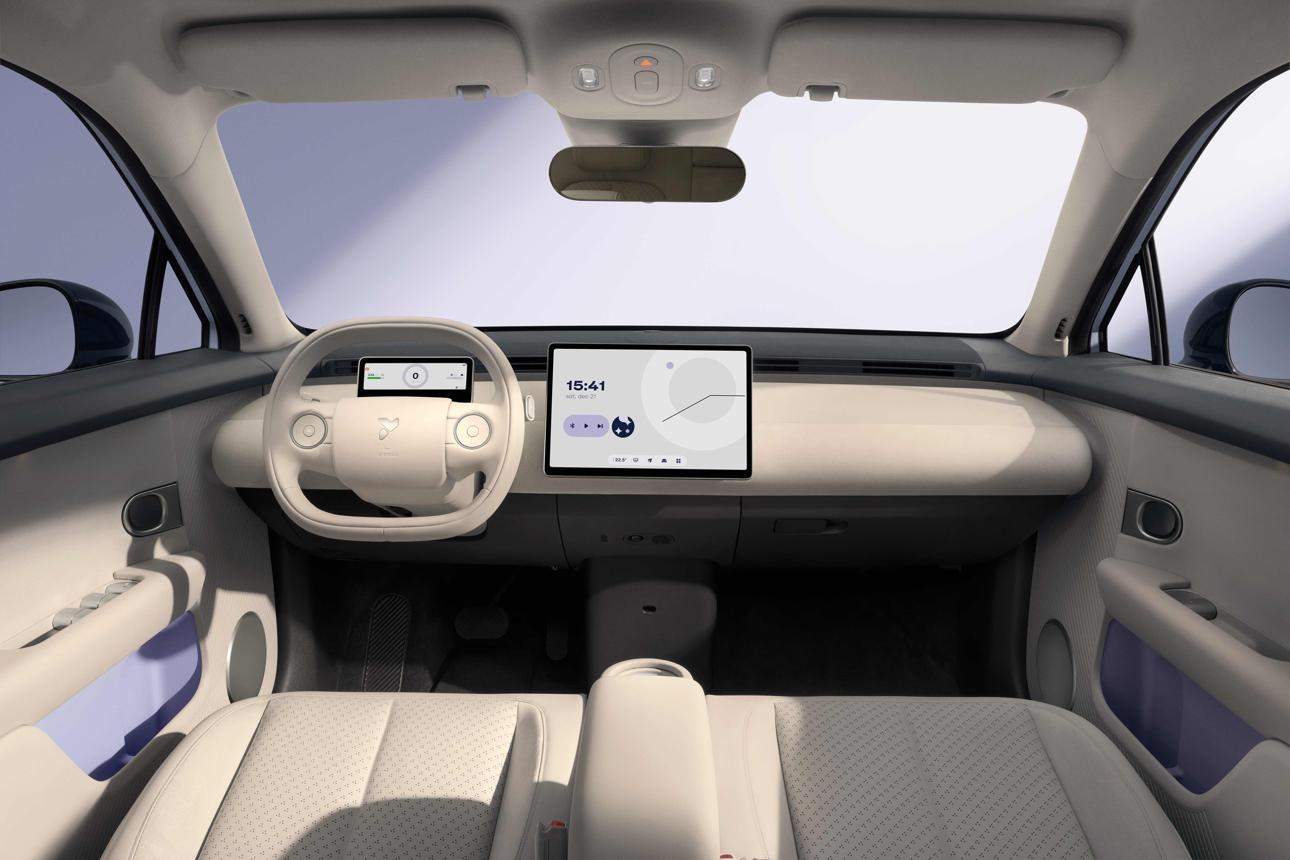
The latest distraction test results have sparked a significant conversation about user interface design in vehicles. Tesla's minimalistic touchscreen approach, featuring just four buttons, has proven more effective at keeping drivers focused than Mazda's 50-button interface. This isn't just about aesthetics—it's a fundamental shift in how we think about driver interaction with vehicle systems. The test results suggest that simpler interfaces not only reduce distractions but also improve overall user satisfaction. This finding is particularly significant as automakers increasingly integrate advanced infotainment systems into their vehicles. It's a reminder that sometimes less truly is more, especially when it comes to safety and usability. The results may influence how other manufacturers approach dashboard design, potentially leading to a broader industry trend toward minimalism.
Toyota's MR2 Gets Closer to Reality
Toyota's long-awaited mid-engine MR2 is inching closer to reality, with the company revealing its concept in a GR Yaris guise. This development is exciting for enthusiasts who've been waiting decades for a modern interpretation of the classic MR2 formula. The GR Yaris concept serves as a bridge between the traditional MR2's design philosophy and modern automotive technology. It's particularly interesting that Toyota is using a smaller platform to showcase what could be a significant evolution in their sports car lineup. The MR2's potential return could reshape the compact sports car market, especially if it combines the legendary handling characteristics with modern safety and efficiency standards. For Toyota, this represents a strategic move to re-engage with performance-focused consumers while maintaining their reputation for reliability.
EV Safety Concerns and Market Dynamics
The automotive industry is facing significant challenges with electric vehicle safety, particularly regarding battery fire risks. Hyundai and Kia are recalling 14 EV models due to defective batteries, highlighting the growing pains of the electric transition. These recalls serve as a reminder that the shift to electrification requires careful attention to safety protocols and quality control. The incident also underscores the importance of rigorous testing and certification processes for EV components. Meanwhile, the Dodge Charger's struggles with low sales have created a more favorable negotiating environment for buyers, demonstrating how market dynamics can shift quickly based on consumer demand. This situation reflects broader trends in the American automotive market, where traditional muscle cars are facing increasing competition from more efficient alternatives.
The Rise of Electric Trucks and Compact Motorhomes
The electric truck market is expanding rapidly, with the Slate EV truck's customization options driving prices upward to $46,000. This trend shows that consumers are willing to pay premium prices for personalized features, but it also raises questions about accessibility and market segmentation. The Slate's pricing strategy suggests that manufacturers are targeting affluent buyers who value customization over basic functionality. On a different note, Winnebago has introduced a compact motorhome designed specifically for first-time buyers who might be intimidated by larger RVs. This development addresses a growing market segment and shows how manufacturers are adapting to changing consumer preferences. The compact motorhome approach could open up the recreational vehicle market to a broader audience, potentially creating new revenue streams for manufacturers.
Industry Context and Broader Implications
The automotive industry is undergoing a fundamental transformation that touches every aspect of vehicle development and consumer experience. The shift toward electric vehicles continues to accelerate, but it's not without its challenges, particularly in terms of safety, cost, and consumer adoption. The contrasting approaches to interface design between Tesla and Mazda reflect the industry's broader struggle to balance innovation with user-friendliness. As manufacturers navigate these challenges, they're discovering that success requires more than just technological advancement—it demands a deep understanding of user needs and preferences. The MR2's evolution and the electric truck market dynamics show how established brands are adapting to changing market conditions while maintaining their core identity. The industry's response to safety recalls also demonstrates the growing importance of quality control in an increasingly complex automotive ecosystem.
What This Means for Car Enthusiasts
For car enthusiasts, today's developments offer a fascinating glimpse into the future of automotive design and consumer preferences. The emphasis on simplicity and safety in interface design suggests that future vehicles will prioritize usability over complexity, which should benefit all drivers. The MR2's potential return is particularly exciting for those who appreciate classic sports car dynamics, while the electric truck market's evolution indicates that performance and efficiency can coexist. The compact motorhome concept shows that manufacturers are thinking creatively about how to make recreational vehicles more accessible to newcomers. Overall, these developments suggest that the automotive industry is becoming more responsive to consumer needs, with a greater focus on user experience, safety, and accessibility. For enthusiasts, this means more choices, better technology, and vehicles that are designed with both performance and practicality in mind.