Toyota DPF Settlement, Bathurst Chaos, and New EV Models: Tuesday's Automotive Headlines
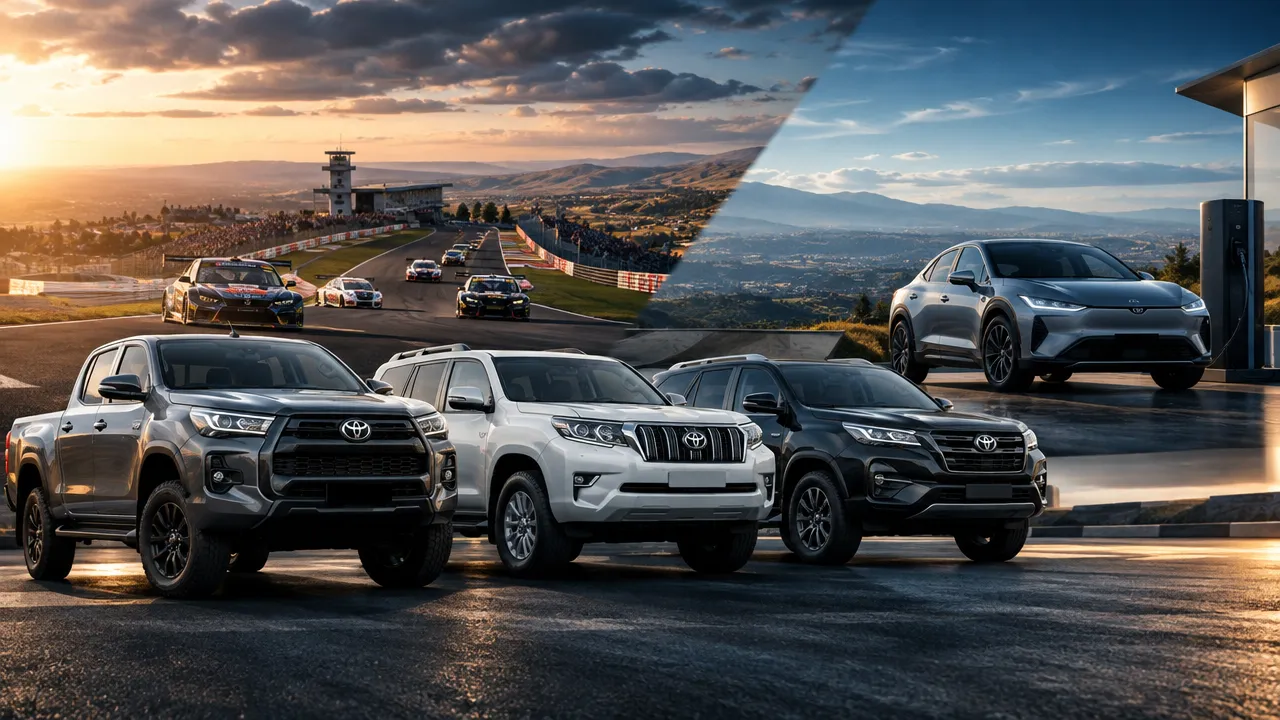
The automotive world is buzzing with a mix of legal settlements, racing setbacks, and exciting new model launches, as Tuesday, October 13, 2026, brings fresh developments across the globe. From major financial implications for Toyota to high-octane racing drama, the day’s headlines showcase just how fast-paced and unpredictable this industry can be. Whether you’re a car enthusiast, a tech-savvy EV adopter, or someone who follows motorsport closely, there’s something here that should grab your attention.
What's happening on the legal front is particularly significant for owners of Toyota’s most popular models in Australia. The automaker has agreed to a $750 million class action settlement over issues related to Diesel Particulate Filters (DPF) affecting HiLux, Prado, and Fortuner vehicles. This development is not just about money—it's about consumer trust and long-term reliability. For owners who've been dealing with DPF-related problems, this resolution could be a turning point in how manufacturers approach emissions systems.
Meanwhile, Team 18’s post-Bathurst debrief revealed that a software error was responsible for a costly miscalculation during the Bathurst 1000. The revelation underscores just how critical technology is in modern motorsport and raises questions about how teams manage data and system integration under pressure. The race itself, while full of drama, has now been followed by reflection on technical failures that could affect future performance.
Toyota's $750 Million DPF Settlement: A Watershed Moment?
Toyota’s decision to settle the class action lawsuit over DPF issues is a major development for both the company and its Australian owners. The settlement covers HiLux, Prado, and Fortuner models, which are not just popular in Australia but also represent some of the brand’s most reliable and widely used vehicles. The issue stems from DPF systems that have been known to clog or fail, leading to costly repairs and frustration for customers.
This legal resolution could set a precedent for how automakers handle environmental compliance issues in the future. With increasing scrutiny on emissions and environmental impact, companies are under pressure to ensure their vehicles meet standards without creating consumer headaches. For Toyota, this settlement is both a financial burden and an opportunity to improve its reputation among loyal customers.
Team 18's Bathurst 1000 Debacle: Lessons in Technology and Performance
After one of the most chaotic races in recent Bathurst history, Team 18 conducted a debrief at 7am, identifying a software error as the root cause of their costly mistake. While the race was full of excitement, it also highlighted how fragile modern racing can be when technology fails. The error in question appears to have affected pit stop timing and car setup decisions—critical elements that can make or break a race.
The implications go beyond this single event. As Formula 1 and endurance racing increasingly rely on real-time data, teams must balance speed with accuracy. This incident serves as a reminder that even small software glitches can lead to major financial losses and strategic setbacks. For fans, it’s yet another example of how unpredictable motorsport has become in the digital age.
Nissan Patrol Y63: A Right-Hand Drive Reveal on the Horizon
Nissan is preparing to launch its right-hand drive Patrol Y63 in Australia next year, marking a significant moment for the iconic 4x4. The Y63 is expected to bring modern features and improved performance to an already beloved model, with production beginning soon.
The launch of the right-hand drive version is particularly important for markets like Australia where driving on the left side is standard. It also signals Nissan’s commitment to localizing its models to meet regional needs. For those who’ve been waiting for a refreshed Patrol, this is good news indeed. The Y63 is expected to feature advanced safety systems, improved comfort, and updated technology—making it a strong contender in the premium SUV segment.
Xpeng G9L Enters Australian Market with Impressive Range and Powertrain Options
Xpeng’s G9L is set to arrive in Australia with a 1200km range and advanced powertrain options. As Chinese EV brands continue to expand into global markets, the G9L represents a bold move by the company to capture the Australian EV market.
The vehicle’s long-range capability positions it well for Australian drivers who often travel long distances. With multiple powertrain choices, Xpeng is aiming to offer flexibility and performance across different segments. Whether it will gain traction in a market still dominated by traditional SUVs remains to be seen, but the G9L certainly has some compelling features.
European Expansion: Changan Nevo, Hyundai Bayon, and ANCAP Ratings
In Europe, Changan is launching its new Nevo brand in Spain next year, with potential expansion to Australia. This marks another step in the growing influence of Chinese automakers on the global stage. The Nevo brand aims to bring affordable, modern vehicles that cater to urban drivers.
Meanwhile, Hyundai’s Bayon has made its debut with a bold new design and hybrid ambitions. The model is expected to attract younger buyers who are looking for style, efficiency, and smart technology. It also reflects Hyundai’s strategy of offering practical yet exciting vehicles in key global markets.
The ANCAP has awarded five-star safety ratings to three Chinese vehicles but criticized the lack of physical buttons in their cabins. This is a fascinating contradiction—while these vehicles meet high safety standards, the minimalist cabin design raises concerns about usability and driver distraction. It’s a reminder that innovation must also consider user experience.
Avatr, Geely, and the Future of Local Tuning
Although Avatr hasn’t launched in Europe yet, it has opened a Munich design center, signaling its commitment to European markets. This move could be a key part of the brand’s global expansion strategy, positioning itself as a serious contender in the luxury EV space.
Geely, on the other hand, is ending its local tuning program and shifting toward in-house development. This change reflects a broader industry trend where manufacturers are taking more control over their product development to ensure quality and consistency. The 2027 Geely Starray EM-i AWD is being praised for its impressive value proposition and enhanced all-wheel drive capabilities, suggesting that this strategic pivot could pay off.
What This Means for Car Enthusiasts
These developments are shaping a new automotive landscape—one where global brands are more interconnected, technology plays an ever-larger role, and consumer expectations are rising. From legal settlements to software errors in racing, from EV launches to local tuning strategies, it’s clear that the industry is adapting rapidly.
For car enthusiasts, this means more choices, better technology, and greater attention to safety and performance. Whether you're a fan of rugged 4x4s like the Patrol Y63 or tech-savvy EVs like the Xpeng G9L, the future looks bright. However, with increased complexity comes the need for smarter decision-making—especially when it comes to long-term reliability and support.
As we move forward, one thing is certain: the automotive world is changing at a pace that’s both exciting and challenging. These headlines are just the beginning of what promises to be an even more dynamic year ahead.