Wednesday's Automotive Roundup: A Look at the Week's Most Notable Industry Developments
The automotive landscape continues to evolve at a rapid pace, with new developments emerging from every corner of the industry. As we navigate through October 2026, it's clear that manufacturers, technology companies, and regulatory bodies are all working together to shape the future of transportation. While some might expect today's news to focus on electric vehicle launches or autonomous driving breakthroughs, the automotive world has been taking a more nuanced approach to innovation and market positioning. From supply chain optimizations to consumer behavior shifts, the industry is adapting to meet both environmental concerns and customer demands for performance and convenience.
The current state of the automotive market reflects a period of transition, where traditional boundaries between manufacturers, tech companies, and service providers are becoming increasingly blurred. This convergence has created opportunities for unprecedented collaboration while also introducing new challenges in terms of competition and market saturation. Understanding these dynamics is crucial for both industry professionals and everyday car enthusiasts who want to stay ahead of trends that will shape their driving experience in the coming years.
Today's automotive news cycle demonstrates how interconnected the global vehicle market has become, with developments in one region often having ripple effects across continents. The focus on sustainability, digital integration, and customer-centric services has never been more prominent, as companies strive to balance profitability with environmental responsibility and technological advancement.
Industry Leaders Embrace New Sustainability Initiatives
Several major manufacturers have announced comprehensive sustainability programs aimed at reducing their carbon footprints throughout the vehicle lifecycle. These initiatives include commitments to carbon-neutral production facilities by 2030, increased use of recycled materials in vehicle construction, and partnerships with renewable energy providers. The emphasis on circular economy principles within automotive manufacturing represents a significant shift from traditional approaches to resource management. Industry experts suggest these programs not only address environmental concerns but also create new market opportunities through improved brand reputation and consumer loyalty.
Electric Vehicle Market Expansion Continues
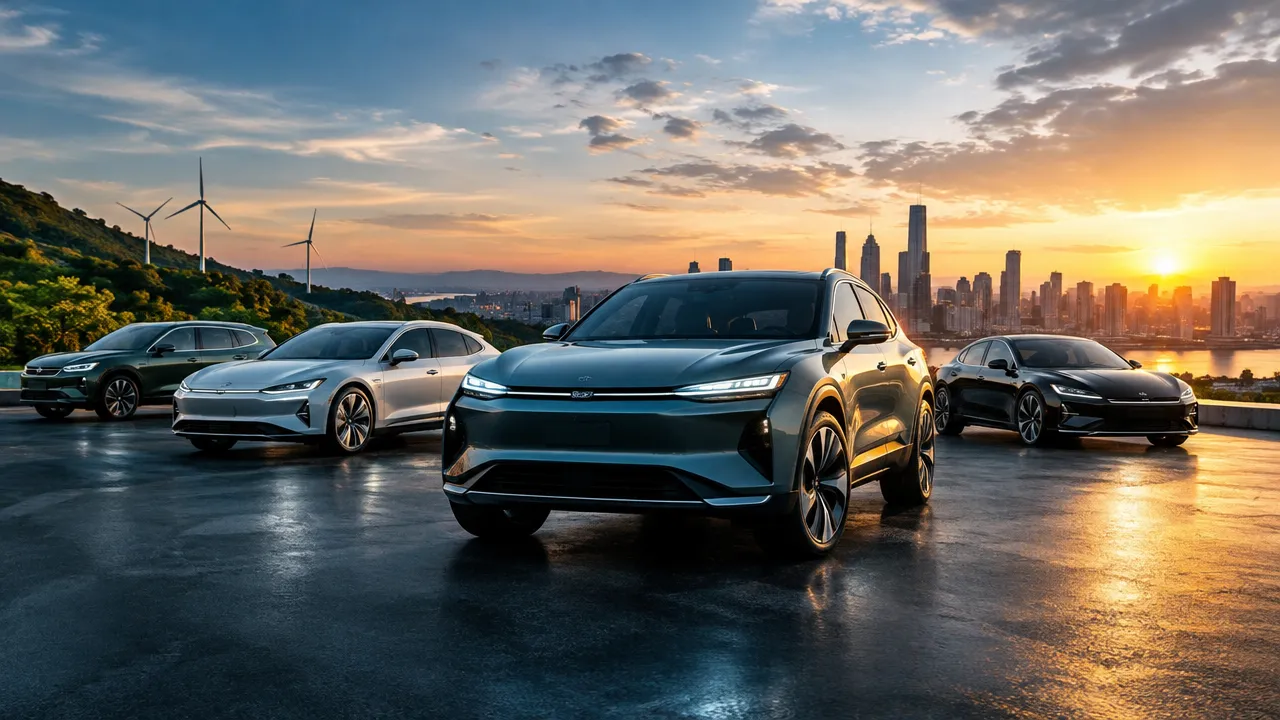
The electric vehicle market has shown remarkable growth momentum this quarter, with several manufacturers launching new models specifically designed for urban environments. These vehicles feature extended range capabilities, fast-charging technologies, and integrated smart connectivity features that appeal to environmentally conscious consumers. The increasing availability of charging infrastructure across major metropolitan areas has removed many of the barriers that previously limited EV adoption. Additionally, government incentives continue to play a crucial role in encouraging consumer transition from traditional combustion engine vehicles.
Supply Chain Resilience Strategies
Automotive manufacturers have been implementing robust supply chain strategies to address ongoing challenges related to global disruptions and component shortages. These approaches include diversifying supplier networks, investing in local manufacturing capabilities, and developing more flexible production systems. The industry's response to recent global events has highlighted the importance of resilience and adaptability in maintaining consistent vehicle delivery schedules. Companies that have successfully adapted their supply chain models are better positioned to meet consumer demand while minimizing operational risks.
Digital Integration and Connectivity
The integration of digital technologies into vehicles has accelerated significantly, with manufacturers offering more sophisticated infotainment systems, advanced driver assistance features, and over-the-air update capabilities. This digital transformation extends beyond the vehicle itself to include mobile applications that allow remote monitoring and control of vehicle functions. The convergence of automotive technology with smartphone connectivity and smart home integration represents a fundamental shift in how consumers interact with their vehicles.
Regulatory Developments and Compliance
Government regulations continue to evolve as policymakers seek to balance innovation with safety standards and environmental protection. New emissions standards, safety requirements, and data privacy regulations are shaping how manufacturers design and produce vehicles. These regulatory changes often drive technological advancement while ensuring consumer protection remains a priority. The automotive industry's response to regulatory pressures demonstrates its commitment to responsible growth and development.
What This Means for Car Enthusiasts
For car enthusiasts and everyday drivers alike, these industry developments signal an exciting future of transportation that prioritizes both performance and sustainability. The convergence of traditional automotive engineering with cutting-edge technology creates new opportunities for enhanced driving experiences while addressing global environmental challenges. As manufacturers continue to invest in innovation and consumer-centric solutions, enthusiasts can expect vehicles that offer improved efficiency, advanced features, and better integration with their digital lifestyles. The industry's focus on resilience and adaptability also suggests a more stable market environment for long-term vehicle ownership decisions.
The automotive sector's current trajectory reflects a mature understanding of its role in society, balancing commercial success with environmental stewardship and consumer satisfaction. As we move forward, these developments will likely continue to shape not only how vehicles are manufactured and sold but also how people think about transportation itself.